
Is your home’s heating ready for tomorrow’s demands? As technology advances and regulations tighten, the right boiler plumbing can make all the difference in comfort, efficiency, and safety.
This guide gives homeowners and renovators the latest insights for modern, future-proof heating. You will discover the newest boiler types, expert installation practices, energy-saving techniques, essential maintenance, and current safety standards.
Understand why modern boiler plumbing matters, see what’s new, and imagine a home that is both reliable and efficient. Ready to take action? Let’s get started.
Understanding Modern Boiler Systems in 2026
Modern homes demand more from their heating systems than ever before. As we look towards 2026, the landscape of boiler plumbing is defined by smarter controls, greater efficiency, and a drive for sustainability. Understanding these changes is essential for homeowners and renovators who want to make informed decisions.
The Evolution of Boiler Technology
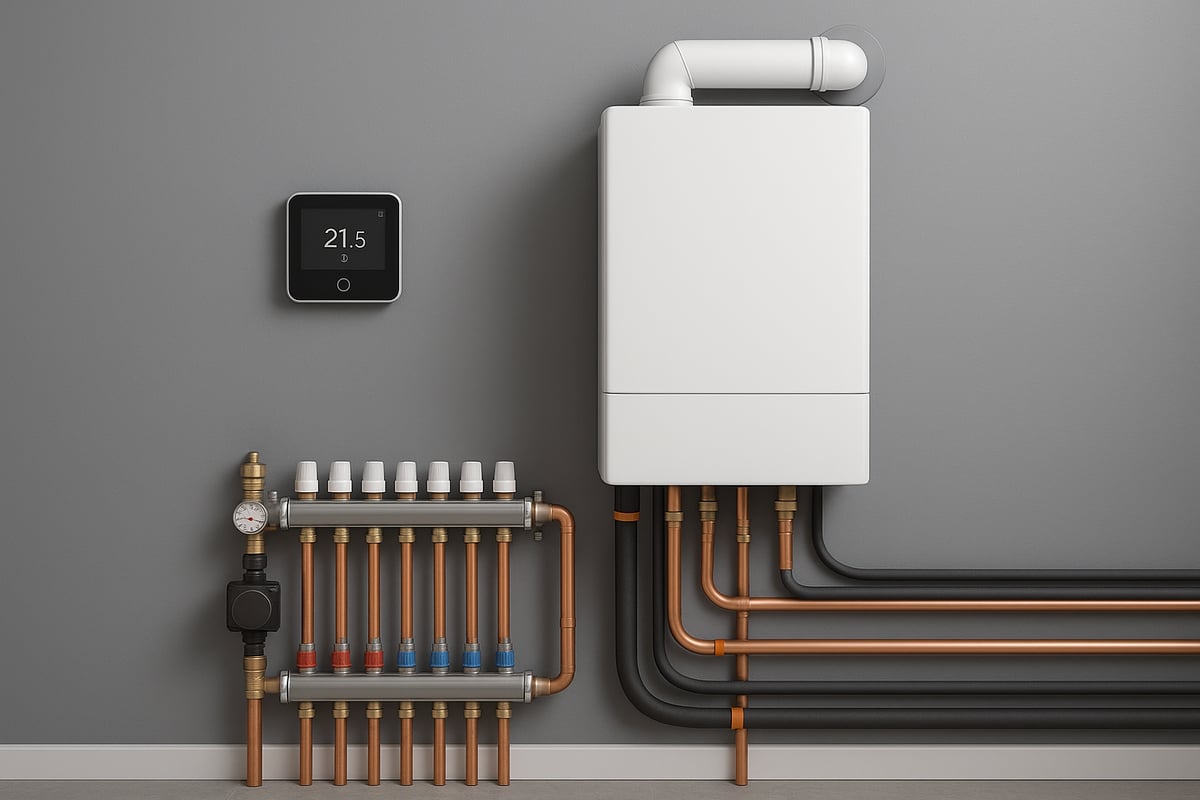
Over the past decade, boiler plumbing has seen remarkable advancements. Traditional boilers have largely been replaced by condensing and combi systems, which recover more heat and reduce energy waste. Modern models, such as the Worcester Bosch Greenstar and Vaillant ecoFIT Pure, now offer smart connectivity, allowing for remote monitoring and scheduling.
These innovations have led to most leading boilers achieving ErP A ratings, boosting home energy performance certificates (EPCs). There is also a noticeable shift in fuel types, with gas remaining popular, but electric, oil, and renewable-ready options gaining ground. Smart controls and eco-friendly features are now standard, making new systems more adaptable to changing home needs.
Types of Boilers for Contemporary Homes
Choosing the right boiler plumbing system depends on your home’s size and water demands. There are three main types:
| Boiler Type | Best For | Pros | Cons |
|---|---|---|---|
| Combi | Small homes, flats | Hot water on demand, compact | Not ideal for high water demand |
| System | Medium to large homes | Good for multiple bathrooms | Needs cylinder, takes up space |
| Regular | Traditional systems | Works with old radiators | Bulky, slower hot water |
| Electric/Oil | Off-gas areas | Flexible installation | Higher running costs, emissions |
Suppliers like City Plumbing offer all these options, helping you match a system to your property, usage, and budget.
Key Plumbing Components in Boiler Systems
A high-performing boiler plumbing system relies on quality components. Pipework, valves, and fittings must be durable and compatible with modern boilers. Copper pipes are favoured for longevity, but plastic is used for flexibility and cost-effectiveness.
Proper pipe insulation is crucial to minimise heat loss. Integration with radiators and underfloor heating requires precise planning, especially when using smart thermostats or zoning controls. Essential accessories include magnetic filters, energy-efficient pumps, and expansion vessels, all of which protect and optimise your system.
Energy Efficiency and Sustainability Trends
Energy efficiency is at the heart of 2026 boiler plumbing. All new installations must meet ErP A-rating standards, pushing manufacturers to innovate. Smart zoning and weather compensation enable homeowners to fine-tune heating for each room, reducing waste.
Renewable-ready and hybrid boilers are now widely available, supporting the drive towards low-carbon heating. Government incentives and regulations are shaping the market, with policies outlined in resources like Improving boiler standards and efficiency. Upgrading to a modern system can cut heating bills by up to 30 percent, especially when combined with underfloor heating integration.
Common Boiler Plumbing Challenges in 2026 Homes
Despite advancements, some challenges persist in boiler plumbing. Retrofitting modern systems into older properties often means adapting outdated pipework and dealing with legacy radiator circuits. Space constraints can make it difficult to fit new combi or hybrid models.
Balancing water pressure and flow rates is essential for efficiency and comfort. Compatibility with smart home devices is another consideration, as is managing hard water and limescale build-up. Addressing these issues early ensures your system remains reliable and future-ready.
Step-by-Step Boiler Plumbing Installation Guide
Planning a boiler plumbing installation in 2026 requires a balance of modern technology, compliance, and practical know-how. Homeowners and renovators must approach each stage methodically to ensure safety, efficiency, and long-term comfort.
Pre-Installation Planning and Assessment
Start your boiler plumbing journey with a thorough assessment of your current heating and plumbing setup. Evaluate existing pipework, radiators, and controls. Calculate the heat demand for your property using room-by-room measurements and consider factors such as insulation and glazing.
Check water pressure and flow rates at key outlets. This ensures your new system delivers reliable hot water and heating. Identify whether upgrades are needed for pipework, radiators, or controls to meet the requirements of new, high-efficiency boilers.
Plan for smart controls, zoning, or integration with renewable energy. A professional survey is essential to detect hidden issues and to ensure compliance with building and Gas Safe regulations. For a seamless process, consult specialists offering Professional Boiler Installations to guarantee expert guidance from the outset.
Choosing the Right Boiler and Plumbing Materials
Selecting the right boiler and materials is crucial for an efficient, durable system. Begin by choosing the most suitable boiler type—combi, system, or regular—based on your home’s size, hot water needs, and available fuel sources.
Compare leading brands like Worcester, Vaillant, and Ideal for reliability and energy performance. For pipework, weigh the pros and cons of copper, plastic, or composite materials. Copper offers longevity and heat retention, while high-grade plastic is flexible and corrosion-resistant.
Choose valves, pumps, and expansion vessels that match your system’s scale. Ensure all components carry ErP and WRAS approvals for safety and compliance. Quality materials form the backbone of lasting boiler plumbing, supporting both efficiency and future upgrades.
Safe Removal of Old Boiler and Pipework
Before installing your new boiler plumbing system, safely remove the old equipment. Shut down and fully drain the existing system to prevent accidental leaks. Dispose of hazardous materials, such as asbestos or outdated flues, according to local regulations.
Carefully identify and remove redundant or corroded pipework. Inspect for signs of leaks, rust, or contamination, especially in older systems. Address any issues before proceeding to avoid future complications.
Strict compliance with Gas Safe and building regulations is mandatory. Document the removal process and keep records for insurance and warranty purposes. This careful approach sets the stage for a smooth and safe installation.
Installing New Boiler and Core Plumbing
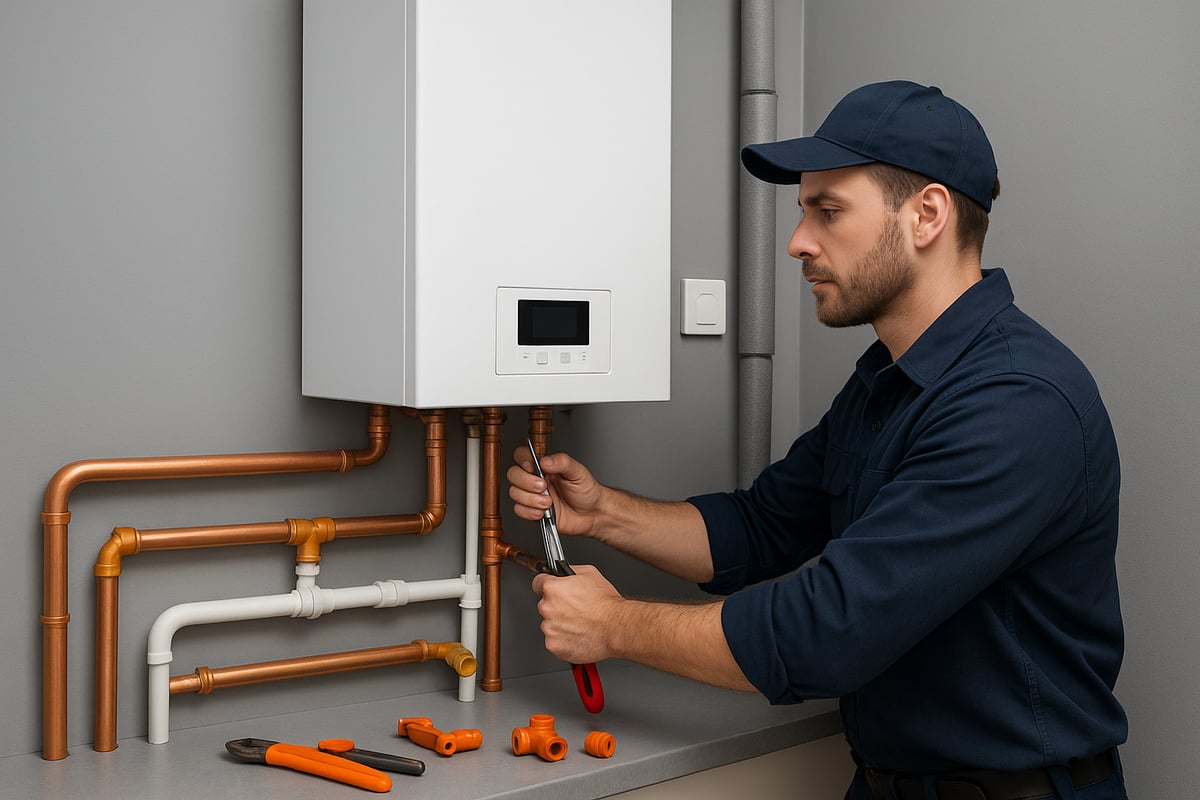
Mount the new boiler according to the manufacturer’s guidance, considering whether wall or floor-standing installation suits your space. Plan new pipework layouts to optimise flow and reduce heat loss. Use high-quality insulation on all exposed pipes to boost energy efficiency.
Connect the boiler to mains water, gas, and electricity safely. Fit essential components, including pressure relief valves, magnetic filters, and expansion vessels, to protect the system and prolong its lifespan. Accurate sizing of each fitting is vital for balanced operation.
Install smart thermostats, zoning controls, and sensors to maximise performance and enable remote monitoring. This is where modern boiler plumbing stands out, blending mechanical reliability with digital convenience.
A typical combi boiler installation involves:
- Positioning the boiler and securing brackets
- Running new pipework with minimal bends
- Connecting to gas and water mains
- Integrating smart controls and safety devices
- Pressure testing and initial system flush
Careful attention to each step ensures your boiler plumbing system operates efficiently, safely, and is ready for future technological advances.
Connecting Radiators and Underfloor Heating
With the core boiler plumbing in place, focus on linking radiators and underfloor heating. Balance radiator circuits to ensure even heat distribution across all rooms, preventing cold spots.
Integrate underfloor heating with the boiler’s controls for zoned comfort. Correct pipe sizing and routing are essential for optimal performance, especially with larger or multi-storey homes.
Install thermostatic radiator valves (TRVs) for room-by-room temperature control. Once connected, flush and pressure-test all circuits to detect leaks or airlocks. This step completes the efficient transfer of heat throughout your home.
Testing, Commissioning, and Handover
After installation, fill and bleed the entire system to eliminate trapped air. Check all joints and fittings for leaks and verify system pressure aligns with manufacturer specifications.
Set up and programme smart controls, ensuring schedules and zones match your household’s needs. Commission the boiler for maximum efficiency and compliance with regulations.
Provide the homeowner with documentation, including the energy label, commissioning certificate, and warranty details. A comprehensive handover ensures you understand your new boiler plumbing system and how to maintain it for years to come.
Nu-Heat North East: Expert Boiler Plumbing Services
Nu-Heat North East has delivered trusted boiler and plumbing solutions since 1983 across the North East. Their services cover system upgrades, new installations, and repairs for gas, oil, and renewable boilers.
With 0% finance options, efficient heating becomes accessible to more households. All engineers are Gas Safe and HETAS certified, guaranteeing safety and compliance every step of the way. Instant online quotes and transparent pricing ensure hassle-free planning for your next boiler plumbing project.
Essential Boiler Plumbing Maintenance Tips
Keeping your boiler plumbing system in top condition is crucial for both comfort and efficiency. With regular attention, you can extend the life of your boiler, reduce energy costs, and avoid unexpected breakdowns. Here are the most important maintenance tips every homeowner should follow for reliable boiler plumbing in 2026.
Routine Checks and Servicing
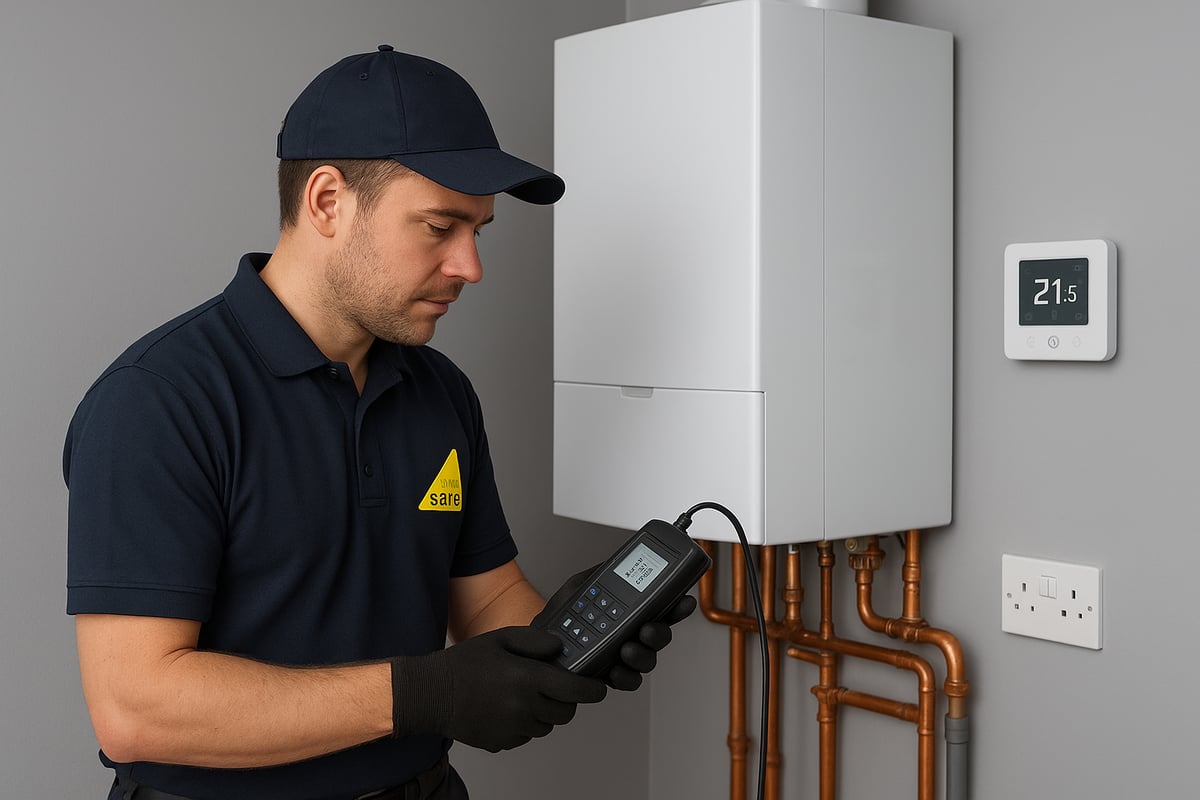
Annual servicing by a qualified engineer is the foundation of effective boiler plumbing maintenance. This ensures the system runs safely and efficiently, with all safety devices, pressure levels, and temperature settings checked. Key tasks include inspecting for leaks, corrosion, and limescale, as well as cleaning filters and removing sludge from the system.
Regular maintenance can extend your boiler’s lifespan by over five years and is often required to keep your warranty valid. For professional support, consider arranging Boiler Servicing and Maintenance to guarantee your boiler plumbing is thoroughly checked by experts. Keeping records of these checks is highly recommended for both homeowners and landlords.
Preventing and Managing Common Issues
Even with routine care, issues can develop within your boiler plumbing system. Recognising early signs such as leaks, unusual noises, or pressure drops helps prevent small problems from escalating. Frozen pipes and blocked condensate traps are common winter risks, while limescale build-up can affect performance in hard water areas.
To protect your boiler plumbing, bleed radiators regularly, use system inhibitors, and fit filters to capture debris. Many frequent leaks are caused by ageing valves or worn seals, so visual inspections are essential. Addressing issues swiftly will help you maintain a safe and reliable system.
Smart Monitoring and Remote Diagnostics
Modern technology has transformed boiler plumbing maintenance. Smart thermostats and sensors allow for real-time monitoring, giving you early warnings of faults or low pressure. Remote diagnostic apps can track system performance, usage patterns, and send automated alerts if a problem is detected.
These innovations let you integrate boiler plumbing with home automation systems and even voice assistants. Some smart boilers can self-diagnose and notify you of required maintenance, reducing the risk of unexpected failures. Investing in smart monitoring offers peace of mind and greater control over your heating system.
Upgrading Plumbing for Efficiency and Comfort
Enhancing your boiler plumbing with targeted upgrades can significantly improve both comfort and efficiency. Retrofitting thermostatic radiator valves and smart zoning controls allows precise temperature management in different rooms. Magnetic filters and scale reducers protect against debris and limescale, while upgrading pipe insulation limits heat loss.
Replacing old pumps with new, energy-efficient models can reduce running costs and improve your property’s EPC rating. Strategic upgrades to your boiler plumbing can lead to 10–20 percent savings on heating bills, making them a worthwhile investment for long-term comfort.
When to Call a Professional
Some boiler plumbing issues are best left to certified engineers. Any gas or electrical work must be completed by a qualified specialist to comply with UK safety laws. If you notice persistent leaks, gas smells, or carbon monoxide alarms sounding, contact a professional immediately.
Professional maintenance is not only safer but also required for most boiler warranties and insurance policies. Data shows that 80 percent of boiler breakdowns are preventable with regular, expert care. Trusting your boiler plumbing to accredited installers ensures your system’s safety, efficiency, and compliance with current regulations.
Boiler Plumbing Regulations, Safety, and Compliance in 2026
Navigating boiler plumbing regulations in 2026 is crucial for any homeowner or landlord. Modern standards aim to improve safety, efficiency, and future readiness. Understanding these rules ensures your heating system remains compliant, safe, and optimised for energy savings.
Key UK Regulations and Standards
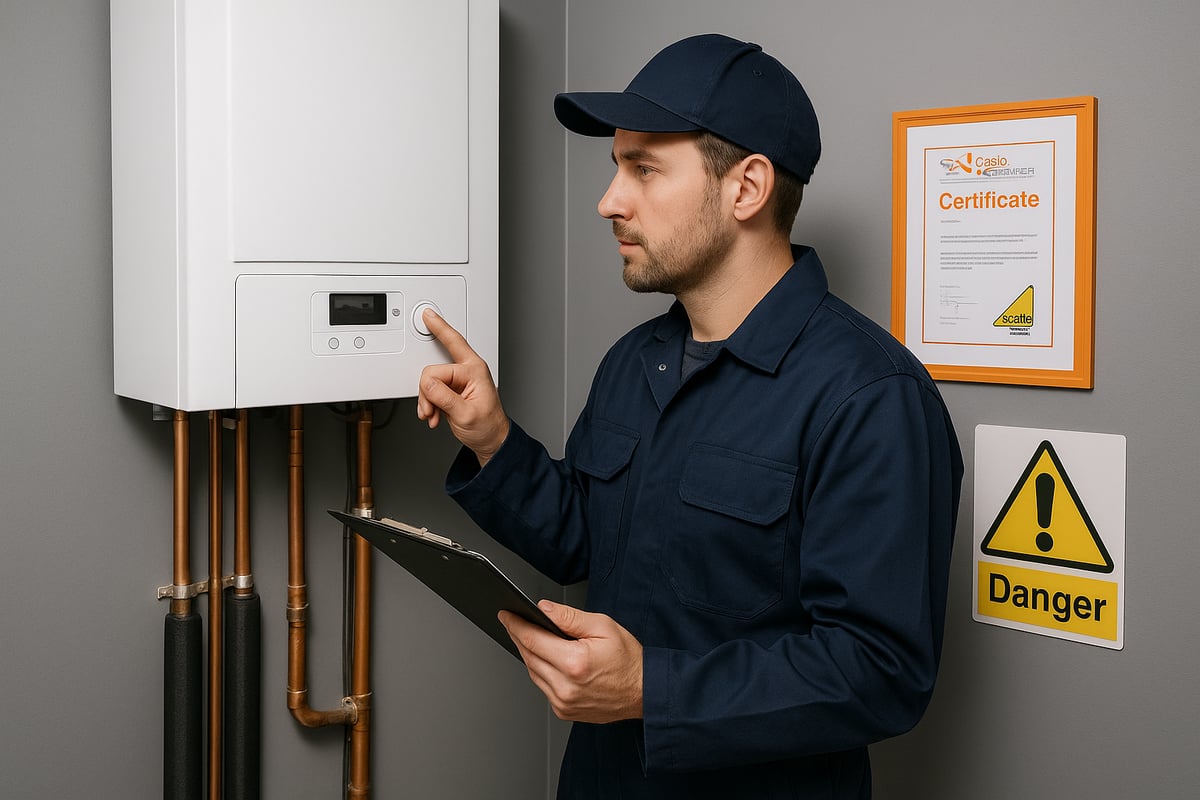
Boiler plumbing in the UK is governed by strict regulations to ensure home safety and environmental responsibility. All installers must be registered with the Gas Safe Register, which is mandatory for working with gas appliances.
Building Regulations Part L covers energy efficiency standards, while Part G focuses on water supply safety. The Energy-related Products (ErP) directive sets minimum performance levels, requiring all new boiler plumbing installations to achieve an A-rated efficiency or higher. WRAS approval is essential for water fittings to prevent contamination.
| Regulation/Standard | Purpose |
|---|---|
| Gas Safe Register | Ensures safe gas work |
| Part L (Building Regs) | Mandates energy efficiency |
| Part G (Building Regs) | Water supply and safety |
| ErP Directive | Minimum A-rated efficiency for boilers |
| WRAS | Protects water quality |
Meeting these standards is not optional for any boiler plumbing project.
Safety Best Practices for Homeowners
Prioritising safety in boiler plumbing is non-negotiable. Homeowners should install carbon monoxide detectors near all boilers and maintain proper ventilation around the appliance. Ensure that pressure relief valves and expansion tanks are accessible and checked regularly.
Visual checks for leaks or corrosion should be part of your routine. If you hear unusual noises or smell gas, act immediately and contact a professional. Each year, over 4,000 boiler-related carbon monoxide alarms are reported in the UK, highlighting the importance of vigilance.
By embracing these safety best practices, you protect both your household and your investment in boiler plumbing.
Warranty, Insurance, and Certification
Maintaining up-to-date documentation for your boiler plumbing is essential. Manufacturer warranties usually require annual servicing and certified installation. If your system is not installed or maintained according to regulations, your home insurance may be invalidated.
Commissioning certificates and Gas Safe paperwork must be kept on file. These documents are often requested during property sales or for landlord compliance. For those upgrading to renewable or low-carbon heating, understanding the latest Boiler Upgrade Scheme and certification requirements for clean heat schemes is vital for accessing grants and meeting new standards.
Proper certification ensures your boiler plumbing is covered, compliant, and future-ready.
Future-Proofing Your Boiler Plumbing
To ensure long-term value, design your boiler plumbing for flexibility. Hydrogen-ready boilers and hybrid systems are becoming more common, allowing easier upgrades as technology evolves. Plan pipework layouts with future extensions in mind and choose smart controls that can integrate with emerging home automation systems.
Consider compatibility with heat pumps or solar thermal systems. This future-proofing approach not only maximises efficiency but also positions your home to meet upcoming regulatory changes in boiler plumbing.
Smart planning now prevents expensive retrofits later and keeps your property at the forefront of sustainable heating.
Homeowner Responsibilities and Landlord Obligations
Both homeowners and landlords have clear duties regarding boiler plumbing. Annual safety checks are mandatory for rental properties, and Gas Safety Certificates must be issued to tenants every year. Provide tenants with boiler manuals, safety instructions, and all compliance documents.
Legal standards require that all boiler plumbing is properly maintained and any repairs are carried out by accredited professionals. Failing to meet these obligations can result in hefty fines and invalidated insurance.
By staying proactive with boiler plumbing maintenance and documentation, you ensure safety, compliance, and peace of mind for everyone involved.
Maximising Energy Savings and Comfort with Your Boiler Plumbing
Achieving maximum energy savings and comfort in your home starts with the right boiler plumbing choices. As technology evolves, so do the methods for optimising efficiency, integrating renewables, and ensuring every drop of heat and water counts. Let’s explore the most effective strategies for 2026 homes.
Optimising Boiler Settings and Controls
Fine-tuning your boiler plumbing system is essential for both savings and comfort. Start by adjusting flow temperatures to the lowest effective setting. Many modern controls allow you to set heating zones, ensuring you only heat rooms in use.
Using weather compensation and load compensation features can make a significant difference. These technologies adjust output automatically based on outdoor temperatures and household demand.
Even small changes matter. Lowering your flow temperature by just 5°C can cut energy bills by up to 10%. Smart thermostats and programmable schedules make it simple to get the most out of your boiler plumbing without constant manual adjustments.
Integrating with Renewable Energy and Future Tech
The future of boiler plumbing is closely tied to renewable integration. Hybrid systems, which combine boilers with heat pumps or solar panels, are increasingly popular for reducing reliance on fossil fuels. Smart grid connectivity allows your system to respond dynamically to energy supply and demand.
Recent planning permission reforms have made it easier to install heat pumps across the UK, accelerating the shift towards low-carbon heating. For more on these changes, see Planning permission reform boosts UK heat pump sales.
Look for boilers that support solar thermal or battery storage integration. These upgrades ensure your boiler plumbing remains future-proof and adaptable to new technologies.
Reducing Heat Loss and Improving Insulation
Minimising heat loss is crucial for efficiency. Start by upgrading loft and wall insulation, as well as draught-proofing windows and doors. Insulating hot water cylinders and all exposed pipework reduces wasted energy.
Boiler plumbing layouts can be optimised by positioning radiators strategically and ensuring all connections are properly sealed. Modern radiator upgrades, such as those available through Radiator Installation Solutions, can further enhance performance and comfort.
Proper insulation alone can reduce heating demand by 15–25%, making it one of the most cost-effective improvements to your boiler plumbing setup.
Monitoring and Reducing Water Usage
Efficient boiler plumbing must also address water consumption. Installing flow restrictors and eco-friendly taps helps limit unnecessary usage without affecting comfort. Smart meters are valuable for tracking hot water consumption patterns.
Promptly fixing leaks is vital, as even a small drip can waste hundreds of litres each year. System boilers with cylinders allow you to schedule hot water production, reducing energy used for heating water you don’t need.
By monitoring and adjusting your water usage, you ensure your boiler plumbing supports both sustainability and cost control.
Planning for Long-Term Efficiency Upgrades
Future-proofing your boiler plumbing means thinking ahead. Schedule periodic reviews to assess system performance and identify opportunities for improvement. Budget for upgrades like hydrogen-ready boilers or advanced smart controls as they become available.
Explore government grants and incentives for low-carbon heating solutions, such as the Boiler Upgrade Scheme, which can offset the cost of renewable installations. Keeping your boiler plumbing adaptable ensures your home remains efficient and comfortable for years to come.
Troubleshooting: Common Boiler Plumbing Problems and Solutions
Homeowners often encounter issues with their heating systems, especially as technology advances. Understanding common boiler plumbing problems and their solutions helps maintain comfort and efficiency while preventing costly repairs.
Diagnosing No Heat or Hot Water Issues
When your radiators stay cold or you run out of hot water, it is often a sign of a fault within the boiler plumbing. Begin by checking your thermostat settings and ensuring the power supply is active. Examine the pressure gauge, as low pressure can prevent proper operation. If pressure is low, refill the system according to the manufacturer's instructions.
Next, reset the boiler and look for any error codes displayed. Common causes include a faulty diverter valve, airlocks in the pipework, or pump failure. If these steps do not resolve the issue, it may be time to call a professional. Remember, modern Expert Plumbing Services can quickly diagnose and resolve complex faults, ensuring your home remains warm and efficient.
Dealing with Boiler Leaks and Pressure Loss
Leaks and pressure drops are frequent boiler plumbing concerns. Begin by inspecting visible pipework and joints for water drips or damp patches. The expansion vessel and pressure relief valve are often sources of hidden leaks. If you notice a consistent drop in pressure, there may be a slow leak in the system.
Temporary fixes, such as topping up pressure, can help in emergencies, but professional repairs are essential for lasting safety. Old seals, corroded joints, or aged pipework are common culprits. Avoid ignoring leaks, as they can lead to costly water damage or even boiler failure. Consulting an expert ensures your boiler plumbing remains secure and compliant with the latest safety standards.
Addressing Noisy Boilers and Radiators
Unusual noises from your boiler or radiators often indicate issues within the boiler plumbing. Air trapped in the system, limescale build-up, or problems with the pump can all cause banging, gurgling, or whistling sounds. Start by bleeding radiators to remove trapped air, which is a simple but effective solution.
If noises persist, consider flushing the system to clear out sludge and debris. Installing anti-vibration mounts or noise reducers can also help. According to recent data, 60% of noise complaints are traced to air or sludge accumulation. Modern diagnostic tools, highlighted in Key Emerging HVAC Technologies for 2026, are making it easier to pinpoint and resolve these faults in today's advanced boiler plumbing systems.
Managing Frozen Pipes and Winter Risks
Frozen pipes are a seasonal hazard that can disrupt boiler plumbing and cause significant damage. To prevent freezing, insulate all exposed pipes and condensate drains, particularly those running outside or through unheated spaces. Trace heating cables offer additional protection for vulnerable pipework.
If a pipe does freeze, thaw it gently using warm towels or a hairdryer, never with an open flame. Prompt action minimises the risk of burst pipes and water leaks. In extreme weather, keeping the heating on low can help maintain water movement and temperature. Proactive winter maintenance ensures your boiler plumbing continues to deliver reliable comfort, even during the coldest months.