
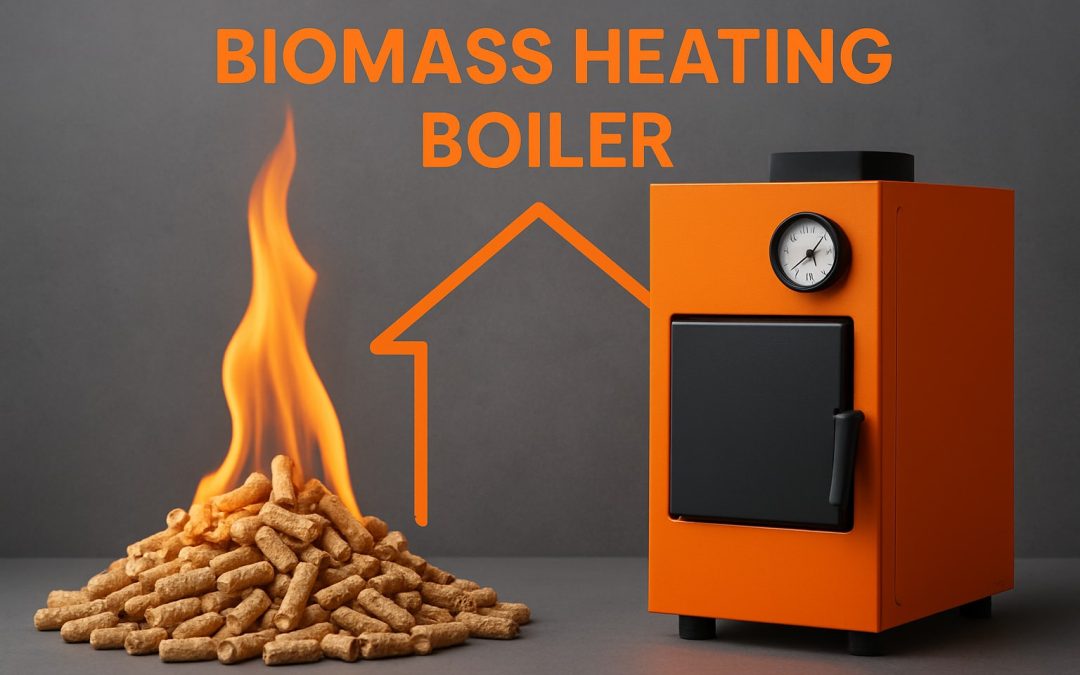
With rising energy costs and increasing environmental concerns, more UK households are searching for effective alternatives to traditional heating systems. This 2026 guide to the biomass heating boiler will provide you with the essential knowledge to make informed decisions about renewable heating.
Whether you are a homeowner or property manager, understanding how a biomass heating boiler works, its benefits, system types, installation process, costs, and ongoing maintenance is crucial. Ready to discover how this sustainable solution can help you save money, reduce your carbon footprint, and future-proof your property? Read on for actionable insights designed to empower your next steps.
Understanding Biomass Heating Boilers
The move towards sustainable energy in the UK has placed a spotlight on the biomass heating boiler as a practical, eco-friendly alternative to traditional heating. These systems convert organic matter into usable heat, offering an efficient solution for both residential and commercial properties. Unlike conventional gas or oil boilers, a biomass heating boiler uses renewable resources such as wood pellets, chips, or logs. This approach helps reduce reliance on fossil fuels and supports national carbon reduction targets. For a deeper dive into the solutions available, explore the Biomass Boiler Services Overview.
What is a Biomass Heating Boiler?
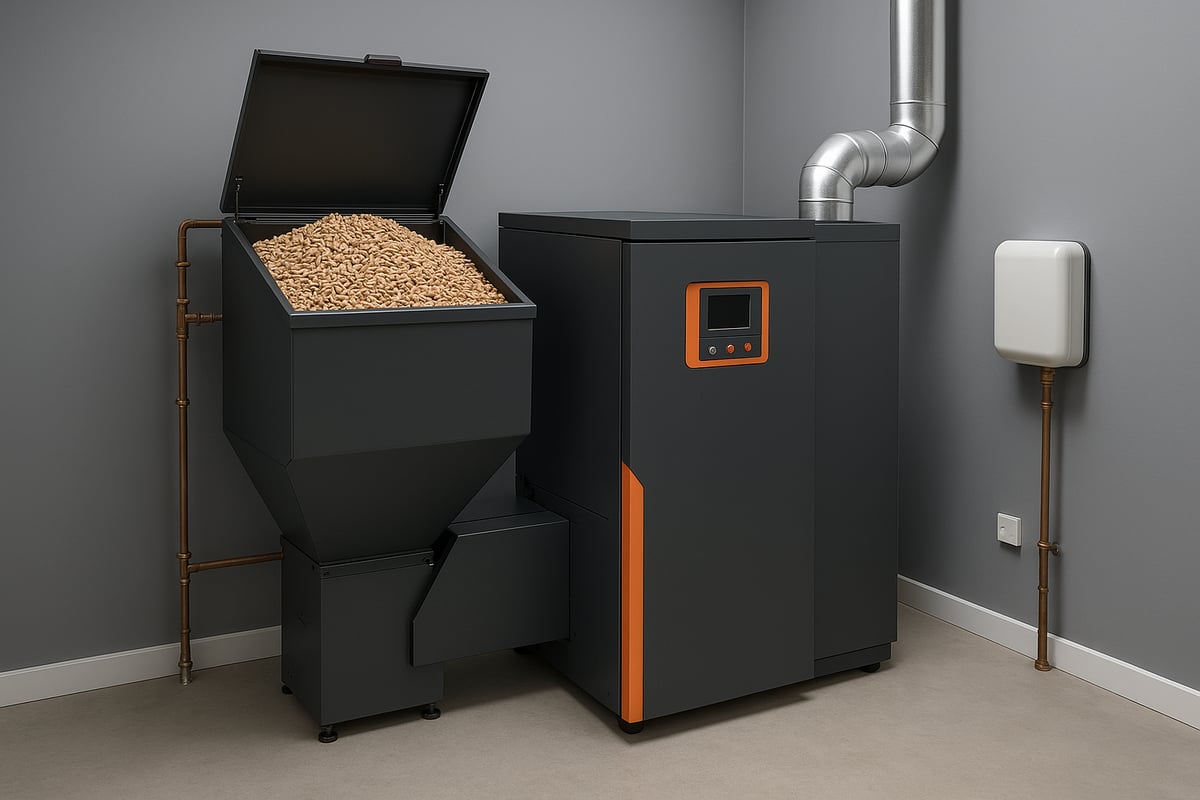
A biomass heating boiler is a central heating system designed to burn organic materials, most commonly wood-based fuels, to generate heat for space and hot water. Unlike standard boilers that rely on gas or oil, a biomass heating boiler uses materials like wood pellets, wood chips, or logs as fuel. This renewable resource is considered more sustainable because it is sourced from managed forests and recycled wood waste. By choosing a biomass heating boiler, homeowners and property managers directly contribute to lowering fossil fuel consumption and supporting greener energy solutions.
How Biomass Boilers Work
The operation of a biomass heating boiler relies on a controlled combustion process. Fuel is fed into the burner, where it is ignited, producing heat. This heat is transferred via a heat exchanger to water, which then circulates through radiators or underfloor heating systems. Key components include an automated or manual feed mechanism, an efficient burner, and a robust heat exchanger. Most modern biomass heating boiler systems integrate seamlessly with existing central heating and hot water setups, ensuring a smooth transition from conventional to renewable heating.
Types of Biomass Boilers
There are several types of biomass heating boiler systems, each suited to different needs and property sizes. The main distinction lies between manual and automated models. Manual boilers require users to load fuel by hand, while automated systems feature self-feeding hoppers for convenience. Domestic models are tailored for homes, while commercial systems are larger and more powerful. Below is a simple comparison:
| Boiler Type | Fuel Feed | Typical Use | Maintenance Level |
|---|---|---|---|
| Manual | Manual | Small homes | Moderate |
| Automated | Self-feeding | Large homes/business | Lower |
Selecting the right biomass heating boiler depends on space, budget, and user preference.
Biomass Fuels: Options and Sustainability
A biomass heating boiler can use various fuel types, each with its own benefits and storage needs:
- Wood pellets: High efficiency, clean burning, require dry storage.
- Wood chips: Cost-effective, bulkier, suitable for larger systems.
- Logs: Readily available, ideal for rural properties, need significant storage space.
Sustainability is at the core of every biomass heating boiler system. Only fuels from certified sustainable sources are permitted under UK and EU regulations. Using these fuels supports carbon neutrality, as the CO2 released during combustion is offset by the carbon absorbed during the plants’ growth.
Environmental Impact and Carbon Savings
A biomass heating boiler offers significant environmental advantages over traditional systems. According to DEFRA and BEIS, biomass systems can reduce carbon emissions by up to 96 percent compared to coal and by more than 80 percent compared to gas or oil boilers. These reductions play a vital role in helping the UK reach its net-zero targets by 2050. By choosing a biomass heating boiler, property owners contribute to cleaner air, less reliance on imported fuels, and a more sustainable future for the country.
Key Benefits of Biomass Heating Boilers
Cost Savings and Energy Efficiency
Investing in a biomass heating boiler can lead to significant cost reductions for homeowners. Unlike gas or oil systems, biomass fuels such as wood pellets are often less susceptible to global market fluctuations, providing greater price stability.
Typical households can save between £200 and £700 annually on heating bills compared to conventional boilers. Modern biomass heating boiler models achieve efficiency ratings of 85–90 percent or higher, ensuring more heat output from each unit of fuel.
The UK government offers financial incentives, such as the Boiler Upgrade Scheme, which helps offset installation costs and further increases long-term savings. These factors make the biomass heating boiler not only a smart financial choice but also a practical solution for those seeking to reduce ongoing energy expenses.
Renewable and Sustainable Heating
A biomass heating boiler uses renewable resources like wood pellets, chips, or logs, which are replenished through sustainable forestry practices. Unlike fossil fuels, biomass is considered carbon neutral, as the carbon dioxide released during combustion is balanced by the carbon absorbed during tree growth.
Lifecycle emissions from a biomass heating boiler are significantly lower than those of traditional systems, supporting both household and national carbon reduction targets. The UK and EU have set ambitious renewable energy goals, and biomass heating is a key part of the strategy to achieve them.
For more on the role of biomass and other green technologies in meeting these targets, see Renewable Energy Heating Systems. By choosing a biomass heating boiler, you are making a direct contribution to a more sustainable future.
Energy Independence and Security
A biomass heating boiler offers greater energy independence, especially for rural or off-grid properties. By sourcing fuel locally, homeowners can avoid reliance on the national grid or unpredictable fossil fuel supplies.
Local fuel options also mean reduced transportation costs and support for regional economies. The steady supply and stable pricing of biomass fuels provide peace of mind, even during market volatility.
Whether you live in a remote area or simply want to future-proof your heating system, a biomass heating boiler delivers reliable warmth and control over your energy choices.
Added Property Value and Compliance
Installing a biomass heating boiler can boost your property's value and improve its Energy Performance Certificate (EPC) rating. As the UK moves toward stricter heating regulations and the eventual phase-out of fossil fuel systems, having a renewable heating solution in place ensures compliance with future standards.
Eco-friendly features are increasingly attractive to buyers, with market trends showing growing demand for sustainable homes.
A biomass heating boiler not only enhances your property's appeal but also positions it for long-term regulatory compliance. This makes it a wise investment for homeowners and property managers alike.
Choosing the Right Biomass Boiler System
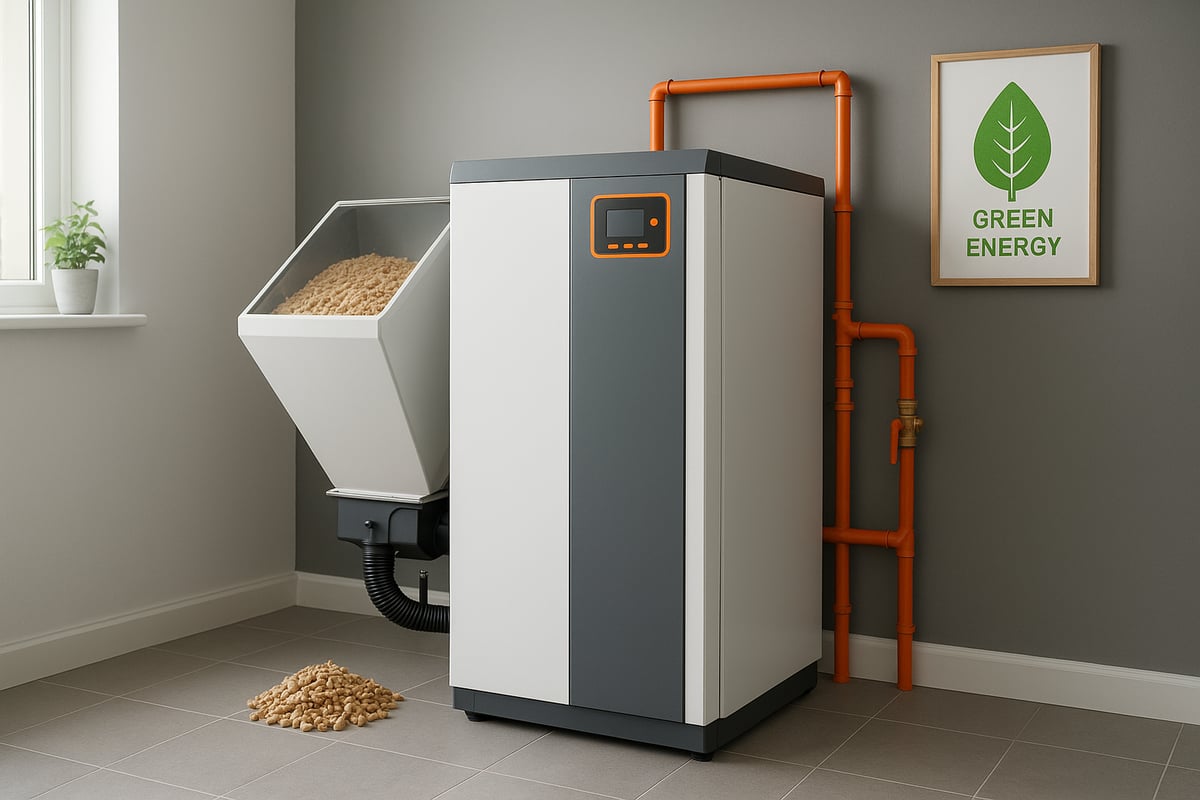
Selecting the ideal biomass heating boiler for your property is a significant decision. The right choice ensures comfort, efficiency, and long-term savings. To help you navigate this process, we break down the essential factors you need to consider.
Assessing Your Property’s Needs
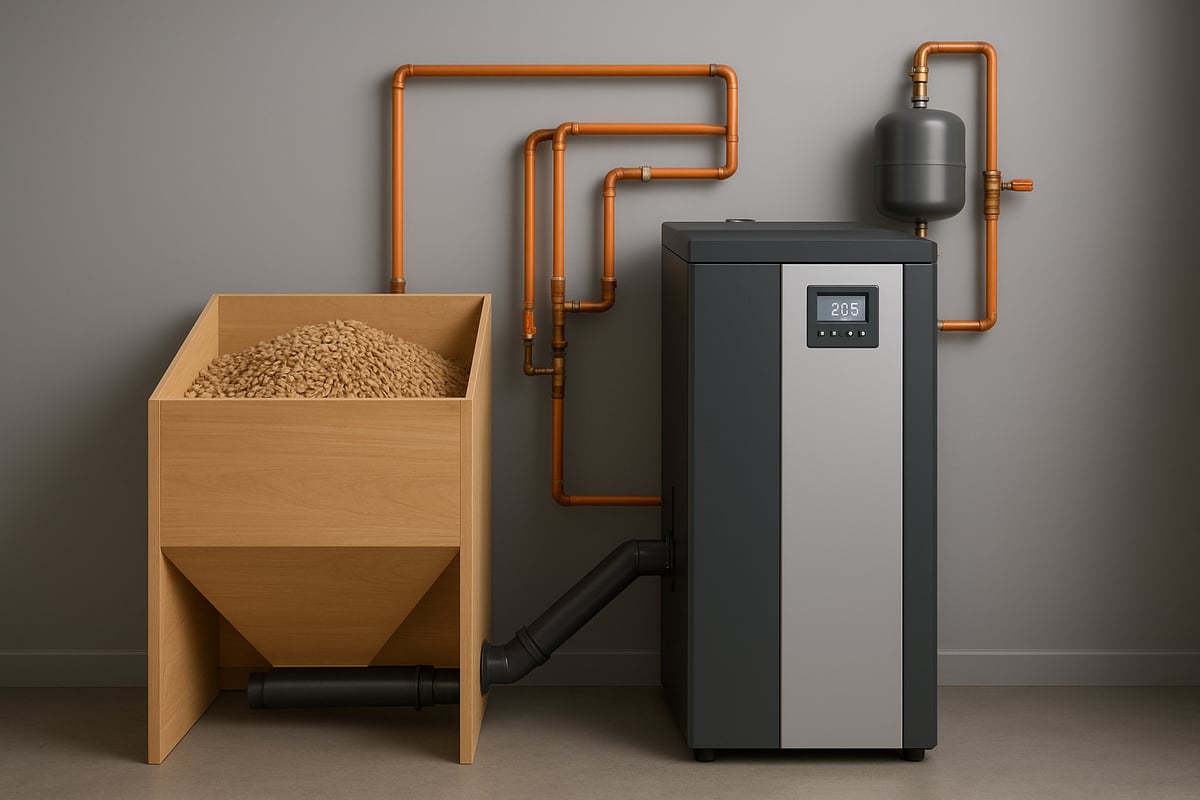
Begin by evaluating your property’s unique requirements. Consider the size of your home, the quality of insulation, and the overall heating demand. These factors directly affect the size and type of biomass heating boiler you will need.
Check compatibility with your current heating system. Most biomass boilers integrate well with existing radiators, underfloor heating, and hot water cylinders. However, an accurate heat loss calculation by a qualified professional is crucial for sizing the system efficiently.
If your property is older or poorly insulated, additional improvements may be necessary to maximise the benefits of a biomass heating boiler. Always seek tailored advice to match your heating needs and avoid oversizing or undersizing the system.
Comparing Boiler Types and Features
There are several types of biomass heating boiler on the market, each with distinct features. Pellet boilers are known for their high efficiency and automated fuel feeding. Chip boilers are suitable for larger properties with access to bulk fuel. Log boilers offer lower fuel costs but require more manual handling.
Manual systems need regular loading by the user, while automated models use hoppers and augers to feed fuel. Assess the available space for fuel storage and delivery access. Automated systems are convenient but may require more room for equipment.
Consider your lifestyle and preferences when choosing between manual and automated options. The right biomass heating boiler should align with your daily routine and property constraints.
Fuel Supply, Storage, and Logistics
A key part of a successful biomass heating boiler installation is ensuring a reliable fuel supply. Wood pellets, chips, and logs each have different storage and handling requirements.
Pellets need dry, sealed storage close to the boiler for automated feeding. Chips require larger storage areas and are usually delivered in bulk. Logs can be stored outside but must be kept dry to maintain combustion efficiency.
When planning for your biomass heating boiler, evaluate local suppliers and delivery options. Easy, accessible fuel storage simplifies operation and reduces the risk of fuel spoilage.
Installation Requirements and Siting
Proper siting of your biomass heating boiler is essential for safety and performance. You will need adequate space for the boiler, fuel storage, and access for maintenance. Ensure the location allows for correct flue installation and sufficient ventilation.
Integration with existing plumbing and heating systems should be planned early. Some properties may require upgrades to pipework or hot water cylinders for optimal compatibility.
Check local building regulations and planning requirements before installation. Some domestic systems may need approval, especially if you are in a listed building or conservation area. For further guidance, consult resources on building regulations for biomass boilers.
Costs: Upfront, Running, and Maintenance
The cost of a biomass heating boiler system varies based on size, type, and complexity. Typical installation costs for domestic properties range from £7,000 to £15,000 or more. Running costs are generally lower than oil or gas, especially if you have access to affordable local fuel.
Maintenance includes annual servicing, routine cleaning, and occasional repairs. Budget for servicing costs and factor in potential savings on energy bills. For a comprehensive breakdown of costs, including installation and maintenance, see the biomass boiler installation costs in the UK.
Investing in a biomass heating boiler can deliver long-term value, but it is important to understand all financial implications before making a decision.
Government Grants and Incentives
Financial support is available to help offset the cost of installing a biomass heating boiler. The UK government offers schemes such as the Boiler Upgrade Scheme, which provides grants for eligible properties. Criteria often include property location, type, and connection status to the gas grid.
Application processes are straightforward but require documentation and proof of eligibility. Uptake rates have increased as more homeowners recognise the benefits of switching to renewable heating.
Check current schemes to maximise savings and support your transition to a biomass heating boiler. Grants can make high-quality systems more accessible and improve your property’s long-term energy performance.
Step-by-Step Guide to Biomass Boiler Installation
Embarking on a biomass heating boiler installation can seem daunting, but breaking the process into clear steps helps ensure success. Whether you're upgrading from an old system or installing renewable heating for the first time, following a structured approach will help you achieve a reliable, efficient solution tailored to your property.
Step 1: Initial Assessment and Consultation
Every successful biomass heating boiler project begins with a thorough property assessment. Installers will visit your home to measure its size, check insulation levels, and discuss your heating and hot water requirements.
During this stage, expect questions about your current system, fuel preferences, and any specific needs. Professionals will also assess existing pipework, radiators, and space for the boiler and fuel storage.
A detailed heat loss calculation is essential. This ensures your biomass heating boiler is sized correctly, maximising efficiency and comfort. An accurate assessment helps avoid future issues and supports a smooth installation.
Step 2: System Selection and Quotation
With your needs established, the installer will recommend the most suitable biomass heating boiler system. This involves comparing pellet, chip, or log boilers, and deciding between manual or automated fuel feeds.
Factors influencing your quotation include property size, system complexity, chosen fuel type, and integration with existing heating. Installers should provide clear, itemised quotes, outlining equipment, labour, and any potential extras.
It’s wise to compare multiple quotations to ensure value and transparency. A well-matched biomass heating boiler system will deliver reliable performance and long-term savings.
Step 3: Planning and Permissions
Before installation, you may need to secure planning permission or building control approval, especially if your property is listed or in a conservation area. Installers will also address flue and chimney requirements, ensuring safe removal of combustion gases.
Environmental considerations, such as air quality and local regulations, are important. Documentation like site drawings and installation plans may be required. Timelines for approvals can vary, so start this process early.
If you plan to apply for government grants, check the Boiler Upgrade Scheme eligibility criteria to ensure your biomass heating boiler installation qualifies. This can significantly reduce upfront costs and support your investment.
Step 4: Installation Process
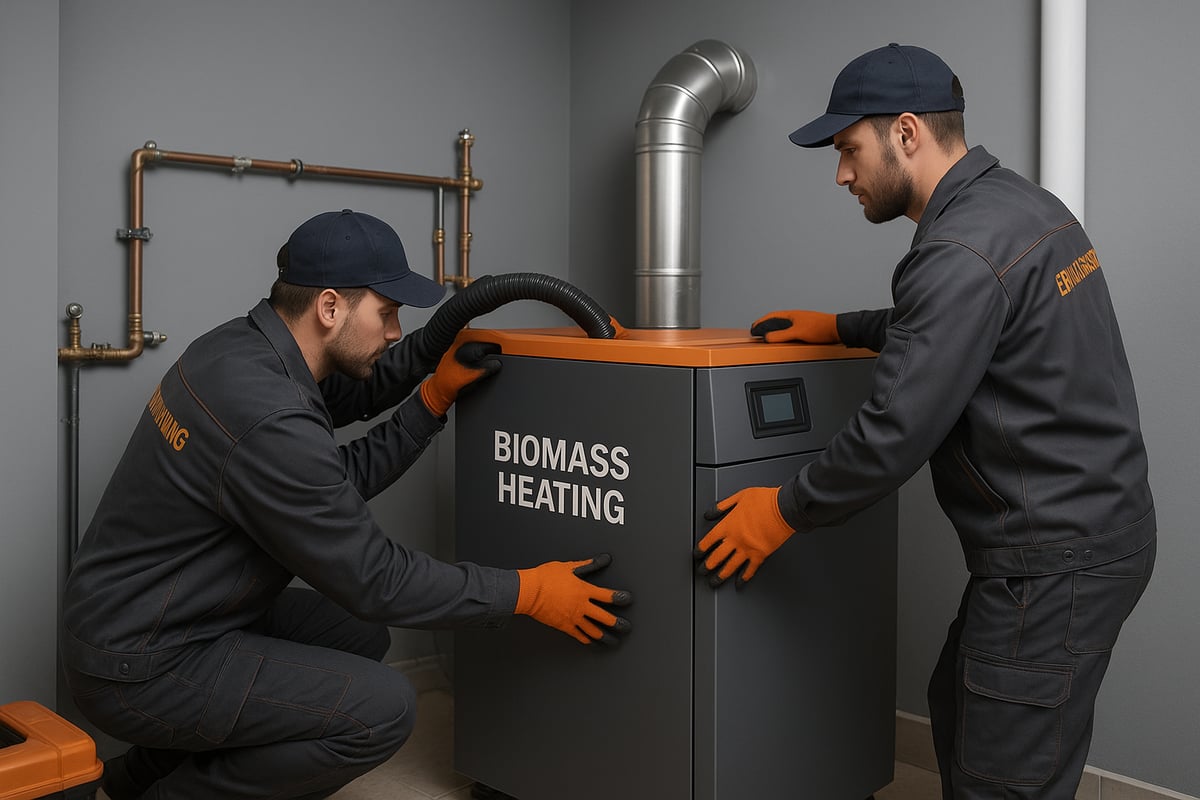
The installation phase begins with delivery of your chosen biomass heating boiler and fuel storage system. Engineers will position the boiler, assemble components, and connect it to your existing heating and hot water infrastructure.
Proper siting is crucial for safety, ventilation, and access. The installation team will fit the flue, set up controls, and ensure fuel storage is dry and accessible. Integration with your plumbing and radiators is completed at this stage.
For domestic installations, the process typically takes two to five days. A professional approach ensures your biomass heating boiler operates efficiently from day one.
Step 5: Commissioning and Handover
Once installed, the biomass heating boiler system undergoes comprehensive testing. Engineers will check all safety features, calibrate controls, and confirm correct operation of the feed and combustion systems.
You will receive a detailed handover, including user manuals, maintenance schedules, and warranty information. Installers will demonstrate how to operate the controls, adjust settings, and carry out routine tasks like ash removal.
Proper commissioning and user training are vital for safe and efficient operation. This step ensures you are confident in managing your biomass heating boiler day to day.
Step 6: Ongoing Maintenance and Support
After installation, regular maintenance is key to keeping your biomass heating boiler running smoothly. This includes weekly or monthly tasks like ash removal, hopper refilling, and visual inspections for leaks or blockages.
Annual servicing by a qualified engineer is also recommended to maintain efficiency and comply with warranty terms. Service plans can help manage costs and provide peace of mind.
Choosing a reputable installer means ongoing support and expert advice. Proactive maintenance extends the life of your biomass heating boiler and maximises your investment.
Biomass Boiler Installation with Nu-Heat North East
Nu-Heat North East is a leading expert in biomass heating boiler installation, servicing, and fuel supply across the North East of England. Their certified engineers ensure each system is tailored to your property, meeting all regulatory standards.
With over 40 years' experience in plumbing, heating, and renewables, Nu-Heat North East offers 0% finance options, instant online quotes, and free home surveys. Their commitment to quality and customer care makes them the trusted partner for your biomass heating boiler journey.
Contact Nu-Heat North East today for personalised guidance and a seamless installation process from start to finish.
Biomass Boiler Maintenance, Servicing, and Troubleshooting
Maintaining your biomass heating boiler is essential for long-term efficiency, safety, and reliability. By following regular maintenance schedules and understanding potential issues, homeowners can safeguard their investment and enjoy consistent, clean heat. This section outlines practical steps for routine care, professional servicing, troubleshooting, and future-proofing your system.
Routine Maintenance Tasks
Weekly and monthly user maintenance is crucial for any biomass heating boiler. Owners should regularly remove ash from the combustion chamber and empty the ash pan. Refilling the fuel hopper with quality pellets, chips, or logs ensures reliable operation.
Visual inspection of all accessible components helps spot early signs of wear or leaks. Always use dry, clean biomass fuel and store it in a well-ventilated, moisture-free area. Most manufacturers recommend specific maintenance intervals, which should be clearly marked in your boiler manual.
Keeping to this routine not only preserves system performance, it also supports the safe and efficient running of your biomass heating boiler.
Annual Servicing and Safety Checks
In addition to user tasks, an annual service by a certified engineer is vital for every biomass heating boiler. This includes cleaning the flue, testing combustion efficiency, and calibrating system controls for safe operation.
Professional servicing ensures compliance with legal requirements and maintains your warranty. Engineers also check for carbon monoxide leaks and verify that all safety devices function correctly. Typical service costs range from £150 to £300 per year, depending on system size and complexity.
For a comprehensive overview of what to expect during a service, consult this Biomass Boiler Servicing Guide for expert advice and best practices.
Common Issues and Troubleshooting
Even with regular care, a biomass heating boiler may occasionally present faults such as ignition failure, fuel feed blockages, or sensor errors. If your system fails to start, first check the fuel supply, hopper, and control settings.
Clearing blockages and resetting the boiler often resolves minor problems. However, persistent faults or error codes may require professional attention. For detailed repair options and troubleshooting support, visit Biomass Boiler Repair Services to access expert help and manufacturer resources.
Never attempt to repair electrical or combustion components yourself; always seek a qualified engineer for complex issues with your biomass heating boiler.
Maximising Efficiency and Lifespan
To get the most from your biomass heating boiler, follow a few proven strategies. Regularly clean all accessible parts and use only recommended fuels to prevent soot build-up. Employing correct boiler controls and settings helps optimise heat output and reduces unnecessary fuel consumption.
Neglecting maintenance can lower efficiency and increase repair costs over time. With proper care, most biomass heating boilers will last 15 to 20 years, providing reliable, renewable heat for your home.
A well-maintained system not only lowers running costs but also ensures your biomass heating boiler operates at peak performance throughout its lifespan.
Upgrades and Future-Proofing
Advancements in technology make it easier to enhance your biomass heating boiler. Consider upgrading to smart controls or remote monitoring systems for improved convenience and energy management. Integration with solar panels or heat pumps can further boost efficiency and sustainability.
Retrofitting emission-reducing components or higher-efficiency burners may also be possible on some models. Staying informed of the latest trends, like automated fuel delivery and digital diagnostics, will help you future-proof your investment.
With regular upgrades and proactive care, your biomass heating boiler will remain a valuable part of your home's renewable energy solution for years to come.