
Imagine waking up on a frosty morning in 2026 to discover your heating system has failed or a burst pipe is flooding your home. Would you know what steps to take next? This essential guide provides homeowners and property managers with the expert knowledge needed to master service heating and plumbing, ensuring your property remains comfortable, safe, and efficient. Inside, you will find clear explanations of system fundamentals, maintenance best practices, the latest technologies, compliance standards, advice on selecting trusted professionals, and practical tips to help you save both money and energy.
Understanding Modern Heating and Plumbing Systems
Modern living standards in the UK depend heavily on the reliability and efficiency of our heating and plumbing systems. As homes become smarter and more sustainable, the landscape of service heating and plumbing continues to evolve rapidly. Whether you own a period property or a new build, understanding your system is key to ensuring safety, comfort, and compliance in 2026.
The Evolution of Heating and Plumbing Technology
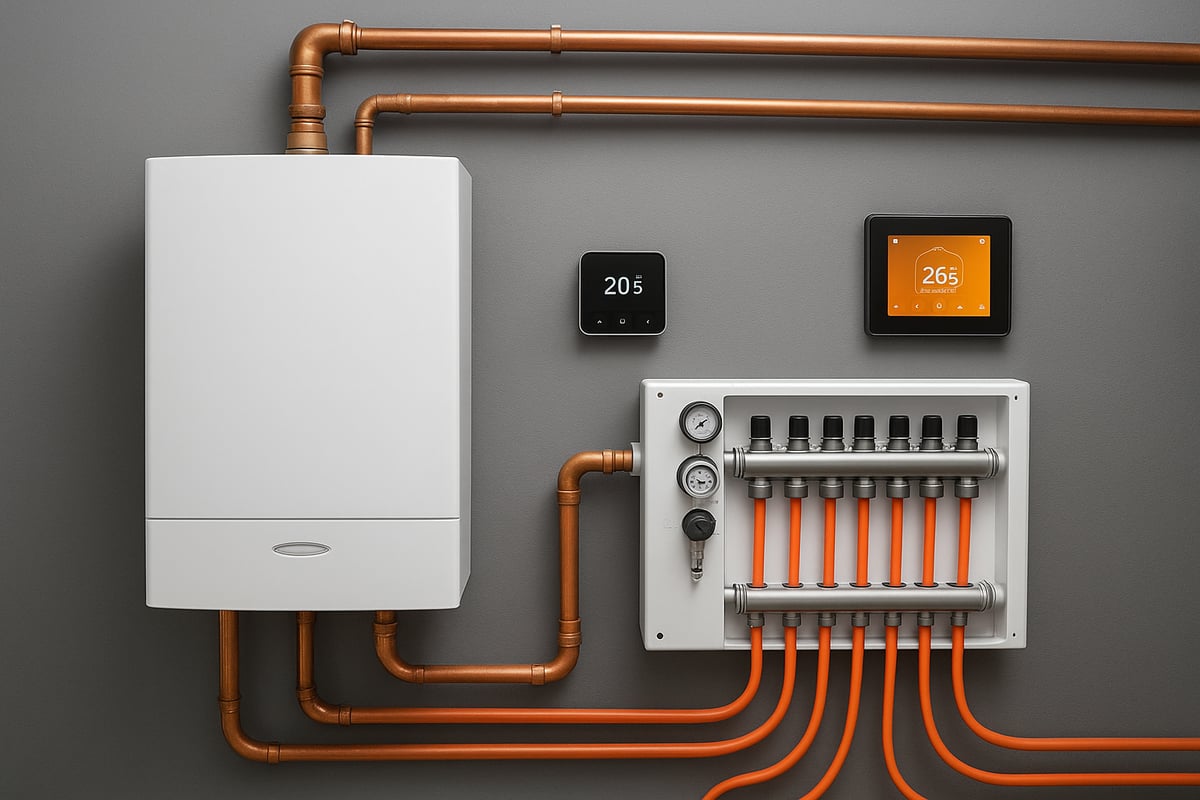
Over the past decade, service heating and plumbing have experienced significant technological advancements. Condensing boilers, now standard in most UK homes, offer higher efficiency by capturing more heat from exhaust gases. Heat pumps, both air and ground source, are increasingly popular for their low-carbon performance. Smart thermostats have become household staples, allowing remote temperature control and learning routines to optimise energy use.
Plumbing technology has also progressed. PEX piping is now widely used, valued for its flexibility and corrosion resistance. Leak detection sensors are integrated into many systems, providing real-time alerts to prevent water damage. Regulations have pushed manufacturers to adopt eco-friendly materials, reducing the environmental impact of installations.
Let us compare traditional and modern systems:
| Feature | Traditional Systems | Modern Systems |
|---|---|---|
| Boiler type | Non-condensing | Condensing, heat pump |
| Controls | Manual thermostats | Smart, programmable |
| Piping | Copper | PEX, multilayer |
| Leak detection | Visual only | Electronic sensors |
| Energy efficiency | Lower | High (A-rated, renewable) |
According to official statistics, many English homes still rely on older heating systems, highlighting opportunities for upgrades to more efficient service heating and plumbing solutions.
Key Components and How They Work
The heart of any service heating and plumbing setup is the boiler, which heats water for both central heating and domestic use. Radiators distribute this heat, while underfloor heating offers a discreet, even warmth. Smart controls and thermostatic radiator valves (TRVs) allow precise temperature management in each room.
For plumbing, water enters the property via supply lines, which are often pressurised to ensure consistent flow. Waste systems remove used water safely, while pressure-balancing valves protect against sudden temperature changes in showers and taps. Increasingly, systems integrate renewable energy sources such as solar thermal panels or biomass boilers to lower running costs and carbon footprints.
Key components include:
- Boilers (combi, system, or regular)
- Radiators and underfloor heating circuits
- Water supply and waste pipes
- Pressure-balancing valves and expansion vessels
- Smart thermostats and leak detectors
Understanding each part helps homeowners make informed decisions about maintenance and upgrades for their service heating and plumbing.
Common System Types in 2026 Homes
UK homes in 2026 feature a range of service heating and plumbing system types. Central heating, powered by a single boiler distributing heat via radiators or underfloor coils, remains prevalent. Combi boilers, which provide hot water on demand without a storage cylinder, are especially popular in smaller homes and flats. Electric heating and hybrid systems (combining gas boilers with heat pumps) are gaining traction for improved efficiency.
Plumbing layouts vary:
- Direct supply: Mains water feeds all outlets, common in modern homes.
- Indirect supply: Storage tanks fill outlets, typical in older properties.
- Vented cylinders: Use a tank in the loft for hot water.
- Unvented cylinders: Pressurised, no loft tank, better pressure.
Examples:
- Detached homes: Often have system boilers, unvented cylinders, and underfloor heating.
- Flats: Usually feature combi boilers, direct supply, and compact layouts.
- New builds: Likely to include heat pumps, smart controls, and advanced insulation.
Selecting and maintaining the right service heating and plumbing configuration can impact comfort, efficiency, and running costs.
Why Understanding Your System Matters
A clear grasp of your service heating and plumbing system helps you avoid unexpected breakdowns and expensive repairs. Recognising early warning signs, such as cold radiators or slow drainage, allows for prompt intervention. Effective use of controls and regular checks can also lead to smarter energy use and lower bills.
Industry reports reveal that 65% of UK households upgraded at least one heating or plumbing component between 2022 and 2025. This trend demonstrates growing awareness of the benefits of modern, efficient service heating and plumbing systems.
By knowing how your system operates, you are empowered to troubleshoot minor issues, communicate clearly with professionals, and make decisions that enhance your home's performance and value.
Essential Maintenance for Heating and Plumbing
Regular maintenance is the cornerstone of a reliable service heating and plumbing system. Neglecting basic upkeep can lead to higher costs, safety issues, and uncomfortable living conditions. By following a structured routine, you can safeguard both your property and your peace of mind.
Routine Checks and Tasks for Homeowners
Every homeowner should perform simple checks to keep their service heating and plumbing systems running smoothly. Early detection of issues can prevent bigger problems.
- Check boiler pressure monthly and top up if needed.
- Inspect for visible leaks around pipes, joints, and radiators.
- Bleed radiators annually to remove trapped air and improve efficiency.
- Flush central heating systems and clean filters once a year.
- Monitor water pressure, and listen for unusual noises in pipes or boilers.
By incorporating these habits, you extend the life of your service heating and plumbing setup and reduce the risk of sudden failures.
Professional Servicing: What to Expect
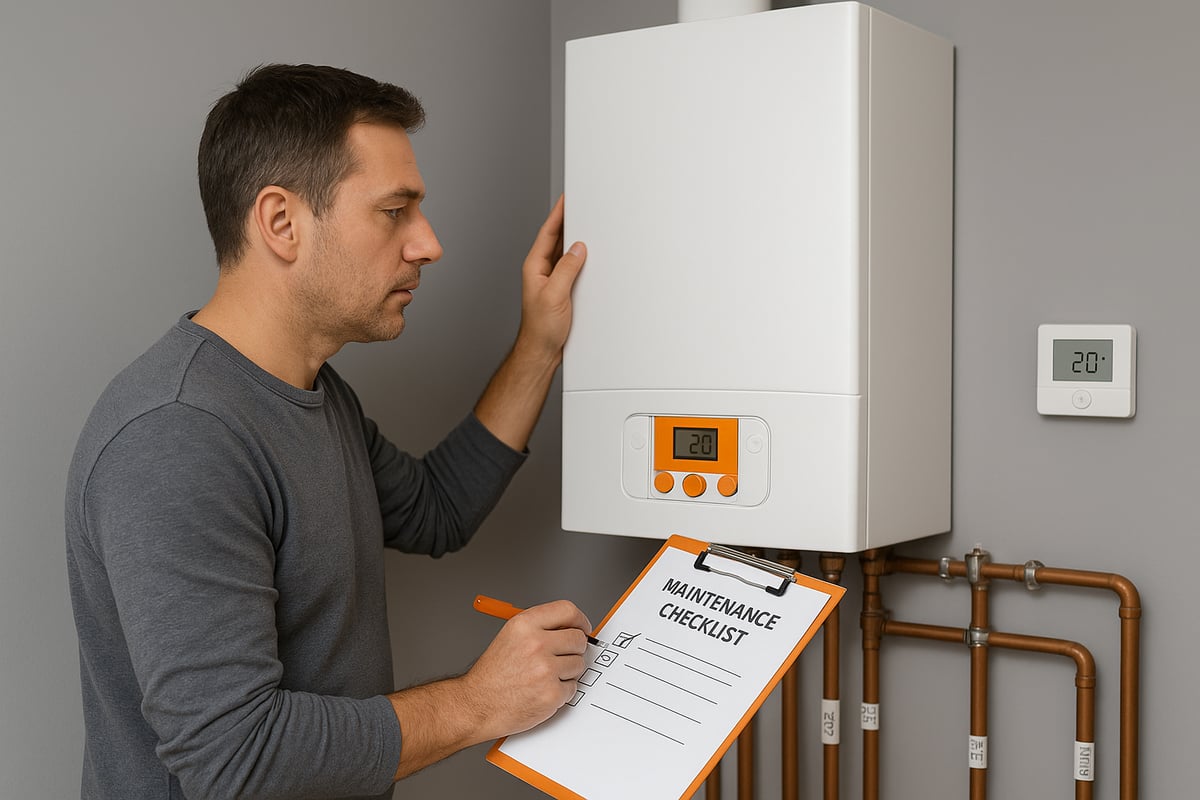
Annual professional servicing is crucial for the safety and efficiency of your service heating and plumbing infrastructure. Certified engineers follow a detailed checklist which typically includes safety tests, efficiency checks, and issuing compliance certificates.
During a boiler service, expect a thorough inspection, cleaning of components, and testing of key safety features. Plumbing inspections involve checking pipework for corrosion, testing valves, and assessing water quality.
For a step-by-step breakdown of a typical boiler service, see the Boiler Service and Repair Guide. This ensures all aspects of your service heating and plumbing system receive expert attention.
Preventing Common Problems
Proactive measures help prevent the most frequent issues in service heating and plumbing systems. Limescale can clog pipes and boilers, especially in hard water areas, so use water softeners or descaling treatments regularly.
Insulate exposed pipes to avoid freezing in winter, which can lead to costly bursts. Pay attention to warning signs like cold spots on radiators or slow drainage, as these indicate deeper problems.
Staying alert and acting quickly will keep your service heating and plumbing in top condition.
Cost of Neglect: Real-World Consequences
Ignoring service heating and plumbing maintenance can have costly implications. Emergency repairs are not only inconvenient but also expensive.
| Type of Emergency | Average Repair Cost (£) |
|---|---|
| Major Heating Issue | 350 – 600 |
| Plumbing Emergency | 150 – 350 |
Insurance policies may exclude claims if poor maintenance is found to be the cause. Documenting repairs and regular checks is vital to avoid disputes over cover.
Taking care of your service heating and plumbing pays off both financially and for your wellbeing.
Record Keeping and Service Schedules
Maintaining accurate records for your service heating and plumbing is essential for warranty claims, insurance, and compliance. Service logs, receipts, and certificates should be kept in a safe place.
Digital tools and apps now make scheduling reminders for annual checks effortless. Some smart thermostats and boilers offer built-in maintenance alerts.
By keeping organised records, you ensure your service heating and plumbing system remains compliant and efficient year after year.
When to DIY and When to Call a Pro
Understanding your limits is key when it comes to service heating and plumbing tasks. Simple jobs like bleeding radiators or checking pressure can be done safely by most homeowners.
However, anything involving gas appliances or major pipework must be left to certified professionals. UK law requires Gas Safe engineers for all gas work, and improper DIY can lead to fines or invalidated insurance.
One homeowner was fined for attempting illegal gas repairs, highlighting the importance of respecting safety boundaries. When in doubt, always consult a qualified service heating and plumbing expert.
Innovations and Trends in Heating and Plumbing (2026)
The world of service heating and plumbing is rapidly changing as homes become smarter, greener, and more efficient. Staying up to date with these trends is vital for homeowners, landlords, and property managers who want to future-proof their properties, improve comfort, and reduce costs.
Smart Home Integration
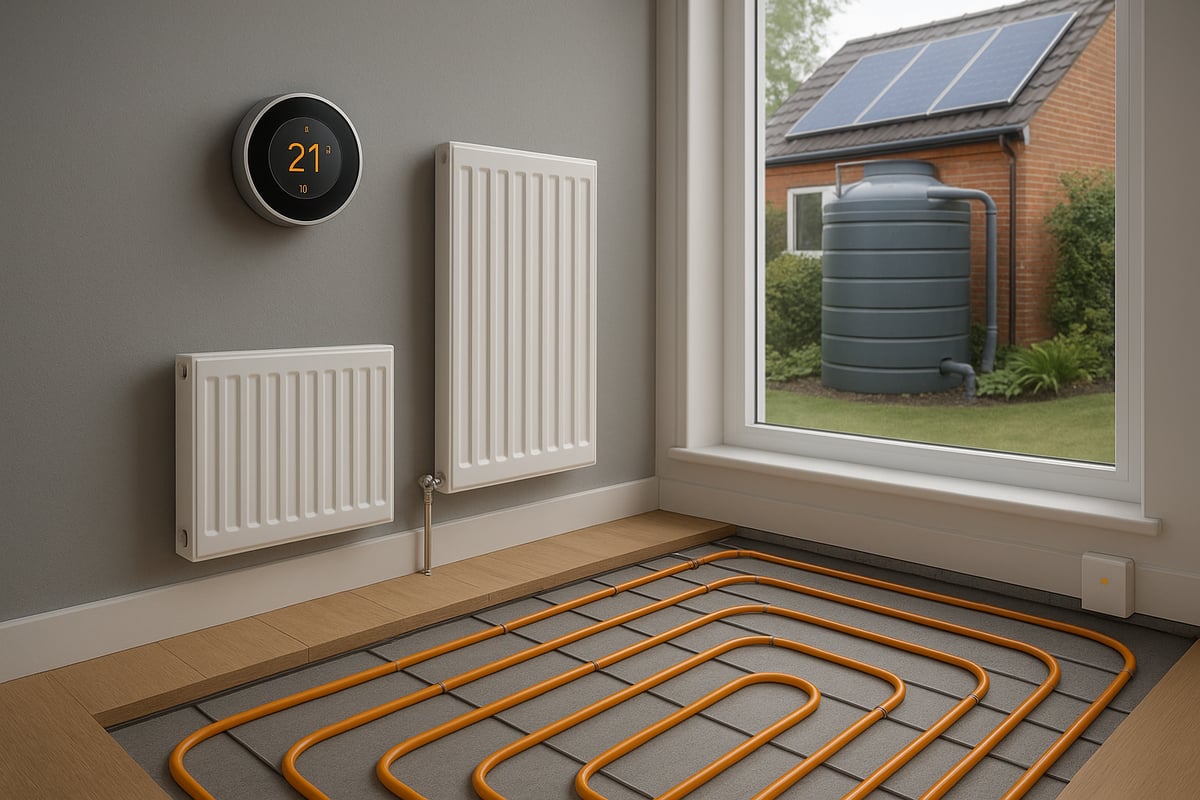
Smart technology is transforming service heating and plumbing, making systems more responsive and user-friendly. Wi-Fi enabled thermostats, connected radiator valves, and remote leak detectors allow real-time monitoring and instant adjustments from a smartphone or tablet.
These innovations boost energy savings and convenience. For example, smart radiator valves can reduce heating bills by up to 18 percent by only warming rooms when needed. Real-time alerts help prevent costly leaks or water damage, giving property owners peace of mind.
Sustainable Solutions and Green Technologies
Environmental concerns are driving a surge in renewable options for service heating and plumbing. Heat pumps, solar thermal panels, and rainwater harvesting systems are becoming standard features in new and renovated homes.
Government incentives and Net Zero targets have led to a 40 percent increase in heat pump installations between 2023 and 2026. In fact, UK heat pump adoption surges show the impact of policy changes on sustainable heating choices. These technologies cut carbon emissions and help lower long-term energy costs.
Water Efficiency and Conservation
Water-saving technologies are now a cornerstone of modern service heating and plumbing. Low-flow taps and showers, dual-flush toilets, and smart meters help households cut water use without sacrificing comfort.
Greywater recycling systems, which reuse water from baths and sinks for flushing toilets or garden use, are becoming increasingly popular. These features not only reduce water bills but also support environmental sustainability.
Materials and System Longevity
Advances in materials science are extending the life of service heating and plumbing systems. Corrosion-resistant pipes, such as PEX, now last over 50 years, while condensing boilers offer up to two decades of reliable performance.
Modular plumbing designs simplify repairs and upgrades, making it easier to replace or improve parts as technology evolves. Investing in these durable systems means fewer breakdowns and lower maintenance costs over time.
Regulatory Changes and Compliance
The regulatory landscape for service heating and plumbing is evolving to keep pace with new technologies. Updates to UK Building Regulations now require higher energy performance and stricter safety standards for all installations.
Landlords must provide safety certificates and meet minimum efficiency ratings, ensuring tenant wellbeing and legal compliance. Staying informed about these changes is crucial for avoiding fines and protecting property value.
User Experience and Accessibility
Modern service heating and plumbing is designed with user needs in mind. Voice-activated controls, app-based diagnostics, and touchless taps make systems more accessible, especially for elderly or disabled individuals.
Features like thermostatic showers and easy-grip fixtures enhance comfort and safety for all residents. As technology advances, expect even greater emphasis on customisation, ease of use, and inclusivity in future systems.
Choosing the Right Heating and Plumbing Service Provider
Selecting the right service heating and plumbing provider is crucial for safeguarding your home’s comfort, safety, and long-term value. With so many companies competing for your attention, knowing what to look for can save you from costly mistakes and ensure peace of mind.
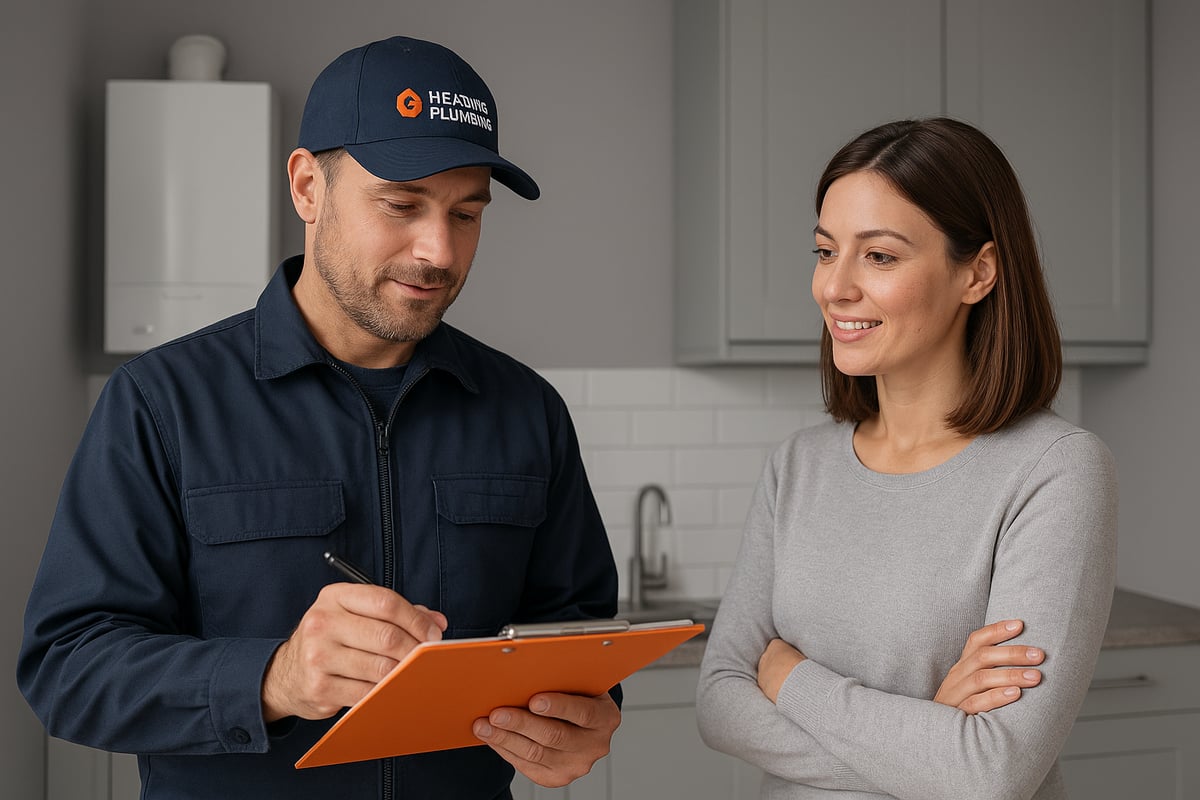
Credentials and Certifications to Look For
When choosing a service heating and plumbing specialist, always verify their accreditations. Look for memberships such as the Gas Safe Register, OFTEC for oil systems, and WaterSafe for plumbing standards. These demonstrate the provider’s commitment to safety and compliance.
A reputable company should display these certifications on their website and vehicles. Ask to see proof of public liability insurance and any guarantees offered. These protections are essential for safeguarding your property and ensuring any work is completed to the highest professional standards.
Researching Local Reputation and Reviews
Evaluating the reputation of a service heating and plumbing provider is just as important as checking credentials. Start by reading reviews on trusted platforms like Trustpilot, Google, and Checkatrade. Look for consistent positive feedback and specific mentions of reliability, punctuality, and workmanship.
Be wary of companies with few or unverified reviews, or those lacking an online presence. Genuine customer feedback is a strong indicator of a provider’s track record and can help you avoid unreliable firms.
Getting Quotes and Comparing Offers
Requesting detailed, written quotes is a vital step when selecting a service heating and plumbing provider. Always ask for like-for-like comparisons that break down labour, materials, VAT, and any call-out charges. This transparency allows you to accurately assess value for money.
Use a simple table to compare offers:
| Provider | Labour (£) | Materials (£) | VAT (£) | Total (£) | Extras Included |
|---|---|---|---|---|---|
| Company A | 200 | 150 | 70 | 420 | Annual service |
| Company B | 180 | 160 | 68 | 408 | Emergency call-out |
| Company C | 210 | 140 | 70 | 420 | Parts warranty |
This approach helps you avoid hidden fees and aggressive upselling.
Questions to Ask Before Hiring
Before committing to a service heating and plumbing contract, ask targeted questions to clarify the scope and quality of their services. Consider the following:
- What accreditations do your engineers hold?
- How quickly do you respond to emergencies?
- Is aftercare and warranty support included?
- Can you provide references from recent jobs?
- What happens if extra work is required?
Clear answers will help you gauge the provider’s professionalism and commitment to customer satisfaction.
Nu-Heat North East Ltd: Trusted Local Expertise
Since 1983, Nu-Heat North East Ltd has set the benchmark for service heating and plumbing excellence across the region. Their skilled engineers are Gas Safe and HETAS certified, ensuring full compliance and safety. Services range from boiler installation and repairs to bathroom design and renewable energy solutions.
For those seeking a comprehensive overview of available solutions, the Plumbing Services Overview details everything from routine maintenance to advanced system upgrades. With flexible finance options and a 4.4-star customer rating, Nu-Heat North East Ltd delivers tailored solutions for homeowners, landlords, and businesses prioritising energy efficiency and modern comfort.
Contracts, Maintenance Plans, and Aftercare
Opting for a service heating and plumbing maintenance contract provides ongoing protection and can reduce emergency repair costs. Typical plans include annual safety checks, priority emergency response, and coverage for parts and labour.
When reviewing maintenance plans, check for clarity on response times, included services, and exclusions. A good contract should offer peace of mind, ensuring your heating and plumbing systems are professionally maintained year-round.
Troubleshooting and Emergency Response
Emergencies involving your service heating and plumbing systems can quickly disrupt daily life and cause costly damage. Knowing how to respond effectively helps minimise risk and ensures a swift return to comfort and safety.
Identifying and Responding to Common Issues
When your service heating and plumbing system fails, quick identification is vital. Signs like no heating, cold radiators, low water pressure, or unexplained leaks indicate a problem. If your boiler displays an error code or you notice water pooling near pipes, act immediately.
First, check if your thermostat is set correctly and inspect for visible leaks. Listen for unusual noises from radiators, pipes, or the boiler. For more detailed advice on frequent issues and first steps, see Common Plumbing and Heating Issues.
If you spot a burst pipe, turn off the water supply at the stopcock and open taps to drain excess water. For heating faults, reset the boiler if safe to do so, but never attempt gas repairs yourself.
When to Call Emergency Services
Certain service heating and plumbing problems require immediate professional help. If you smell gas, hear a carbon monoxide alarm, or suspect an electrical hazard, leave the property and call the National Gas Emergency Service on 0800 111 999.
Contact local water authorities for major leaks affecting supply or causing flooding. Landlords and property managers have legal duties to address urgent safety issues, including gas leaks and water contamination.
Keep emergency contact numbers visible in your home. Prioritise safety over convenience and do not attempt repairs beyond your skillset, especially with gas or electrical faults.
Temporary Fixes and Damage Limitation
While waiting for a professional, there are safe temporary measures you can take. Use pipe clamps or leak sealants to stem small leaks. Place buckets under drips and turn off affected appliances.
Portable heaters can provide warmth if your central heating fails, but ensure good ventilation if using fuel-burning models. Isolate the area to minimise water spread and protect valuables from damage.
Do not use electrical devices near water leaks. Document the situation with photos for insurance and future reference.
Preparing for Emergencies in Advance
Preparation makes all the difference in a crisis. Create a household emergency plan that includes locations of stopcocks, gas shut-off valves, and electrical switches.
Store an emergency kit with essentials:
- Radiator key
- Pipe tape
- Torch and batteries
- Plumber’s contact details
Keep instructions for your service heating and plumbing equipment handy. Regularly review your plan with household members to ensure everyone knows what to do when trouble strikes.
Insurance and Documentation
Accurate records are crucial for insurance claims related to service heating and plumbing incidents. Take clear photos of damage, keep receipts for repairs, and maintain a log of professional servicing.
Most insurers require proof of regular maintenance and prompt reporting of issues. Use digital tools or apps to track service history and set reminders for annual checks. This practice supports warranty claims and can help speed up settlement after an emergency.
Preventing Repeat Incidents
After resolving an emergency, arrange a thorough inspection of your service heating and plumbing systems. Upgrade vulnerable components, such as ageing pipes or outdated controls, to prevent future failures.
Schedule follow-up servicing and consider a maintenance plan for ongoing protection. Preventative action, like insulating pipes and flushing heating systems, reduces the risk of repeat incidents and extends system lifespan.
Proactive care not only safeguards your property but also ensures efficiency and peace of mind for years to come.
Saving Money and Energy with Efficient Heating and Plumbing
Heating and plumbing are central to a comfortable home, but running them efficiently is crucial for both your budget and the environment. With the right approach to service heating and plumbing, you can reduce costs, conserve resources, and prepare for the future. Let us explore practical strategies for saving money and energy while maintaining reliable systems.
Energy-Saving Tips for Everyday Use
Small changes in daily routines can deliver significant savings. Adjusting your thermostat by just 1°C can cut heating bills by up to 10%. Set heating zones so you only warm occupied rooms, and use timers to align heating schedules with your lifestyle. Night-time routines, such as lowering the thermostat or switching to a lower setting, also make a difference.
Thermostatic radiator valves (TRVs) offer precise control over room temperatures. Combine them with insulation for walls, lofts, and floors to keep heat in. These straightforward actions are essential components of effective service heating and plumbing and should be part of every household’s strategy.
Upgrading to High-Efficiency Systems
Investing in high-efficiency heating and plumbing systems pays off. Condensing boilers, heat pumps, and smart controls use less energy and deliver better results. The initial cost may be higher, but the average household saves around £250 per year after upgrading to an A-rated boiler.
Government grants, such as the Boiler Upgrade Scheme, can help offset installation expenses. Service heating and plumbing upgrades typically have payback periods of 5–7 years, depending on system choice and usage patterns. Table 1 illustrates average savings by system type:
| System Type | Avg. Annual Savings | Payback Period |
|---|---|---|
| Condensing Boiler | £250 | 5 years |
| Heat Pump | £350 | 7 years |
| Smart Controls | £100 | 2 years |
These upgrades not only lower bills but also future-proof your home.
Water Conservation and Leak Prevention
Efficient service heating and plumbing extends to water use. Aerated taps and dual-flush toilets reduce water consumption without sacrificing comfort. Installing leak alarms and regularly checking for drips can prevent waste—an undetected leak can lose up to 20,000 litres per year in a single home.
Greywater recycling and low-flow fixtures further decrease demand on mains supply, lowering bills and environmental impact. Smart meters also help track usage, allowing you to spot changes in consumption early and take corrective action.
Maintenance and Long-Term Savings
Routine maintenance is the backbone of efficient service heating and plumbing. Annual servicing, flushing systems, and cleaning filters keep equipment running smoothly. Regular central heating checks can identify issues before they become costly emergencies, reducing the risk of breakdowns and extending system lifespan.
Homeowners can use digital tools for scheduling reminders and keeping service logs. For more on preventative maintenance, see this guide to Central Heating System Maintenance. Proactive care can cut emergency repair risk by 40%, ensuring both savings and peace of mind.
DIY vs. Professional Upgrades
Some service heating and plumbing tasks are suitable for competent DIYers, such as bleeding radiators or fitting TRVs. However, complex upgrades—like boiler installations or major pipework—should always be handled by certified professionals. Attempting work beyond your expertise can void warranties and may breach safety regulations.
Compare the costs and risks before deciding. DIY can save on labour, but errors lead to higher expenses and potential hazards. Always check legal requirements and consider the long-term implications for your home’s value and insurance.
Financial Planning and Payment Options
Budgeting is key when planning service heating and plumbing improvements. Start by assessing your current system and identifying priorities. Explore finance plans offered by reputable providers, grants from government schemes, and support from energy suppliers.
Options might include 0% interest finance, pay-as-you-save schemes, or one-off grants for eco-friendly upgrades. Keep detailed records of all work and expenses to support warranty claims and insurance. A well-managed approach ensures affordability and maximises return on investment.
Environmental Impact and Future-Proofing
Adopting efficient service heating and plumbing practices reduces your carbon footprint and positions your property for future changes. Green technologies, such as heat pumps and solar thermal systems, not only cut emissions but can also increase property value by up to 15%.
Staying informed about upcoming regulations helps you anticipate new standards and avoid costly retrofits. By investing in eco-friendly upgrades now, you safeguard your home against rising energy prices and environmental challenges, ensuring lasting comfort and efficiency.