
Imagine waking up on a frosty winter morning and stepping onto a floor that feels luxuriously warm beneath your feet. This is the everyday comfort that water underfloor heating can offer. In this expert guide, you will discover everything you need to know about water underfloor heating, from how it works to its benefits, installation steps, costs, and the latest technology trends for 2026.
Whether you are building a new home or upgrading an existing one, this comprehensive resource will help you make informed decisions. Prepare to explore the future of home comfort and efficiency.
Understanding Water Underfloor Heating: How It Works and Key Components
Imagine entering a room where the warmth feels natural and consistent from floor to ceiling. This is the unique comfort offered by water underfloor heating, a system designed to deliver gentle, radiant heat throughout your living space. In this section, we delve into what makes this technology different, how it operates, and the essential components and system types available in 2026.
What is Water Underfloor Heating?
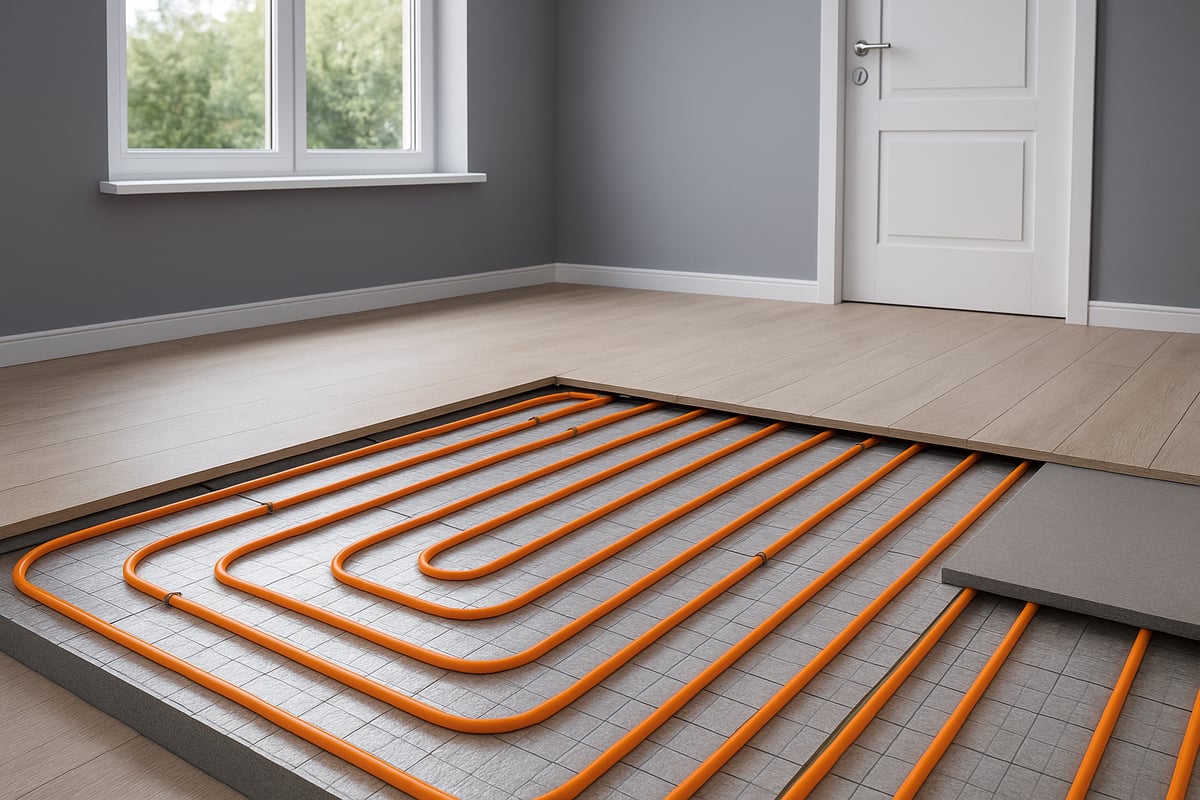
Water underfloor heating is a central heating system where warm water flows through a network of pipes installed beneath your floor surface. Unlike traditional radiators, which heat the air locally and can leave cold spots, this system distributes warmth evenly across the entire room. Compared to electric underfloor heating, water-based systems are typically more efficient for larger areas and long-term use. The result is a comfortable, consistent temperature underfoot, making it ideal for both new builds and renovation projects. Leading products like ProWarm set the standard for reliability and performance in the UK market.
Main Components Explained
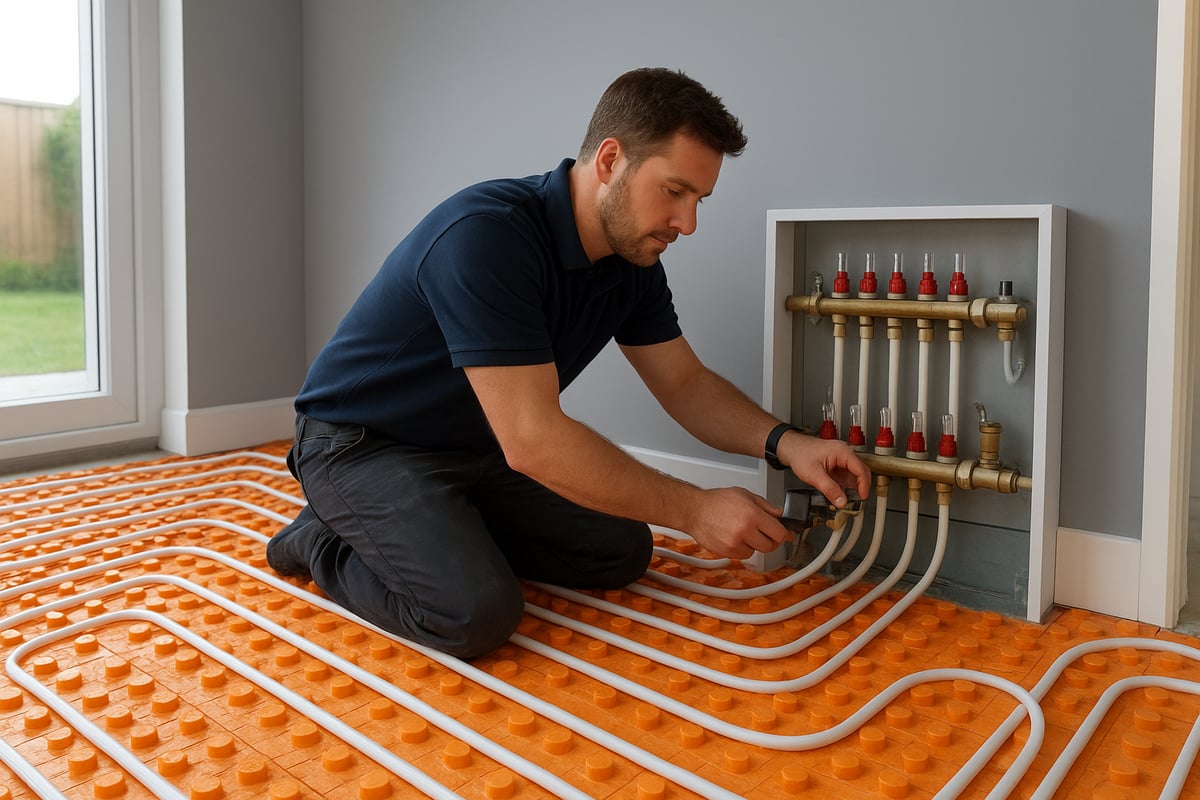
A water underfloor heating system relies on several key components working together to ensure optimal performance:
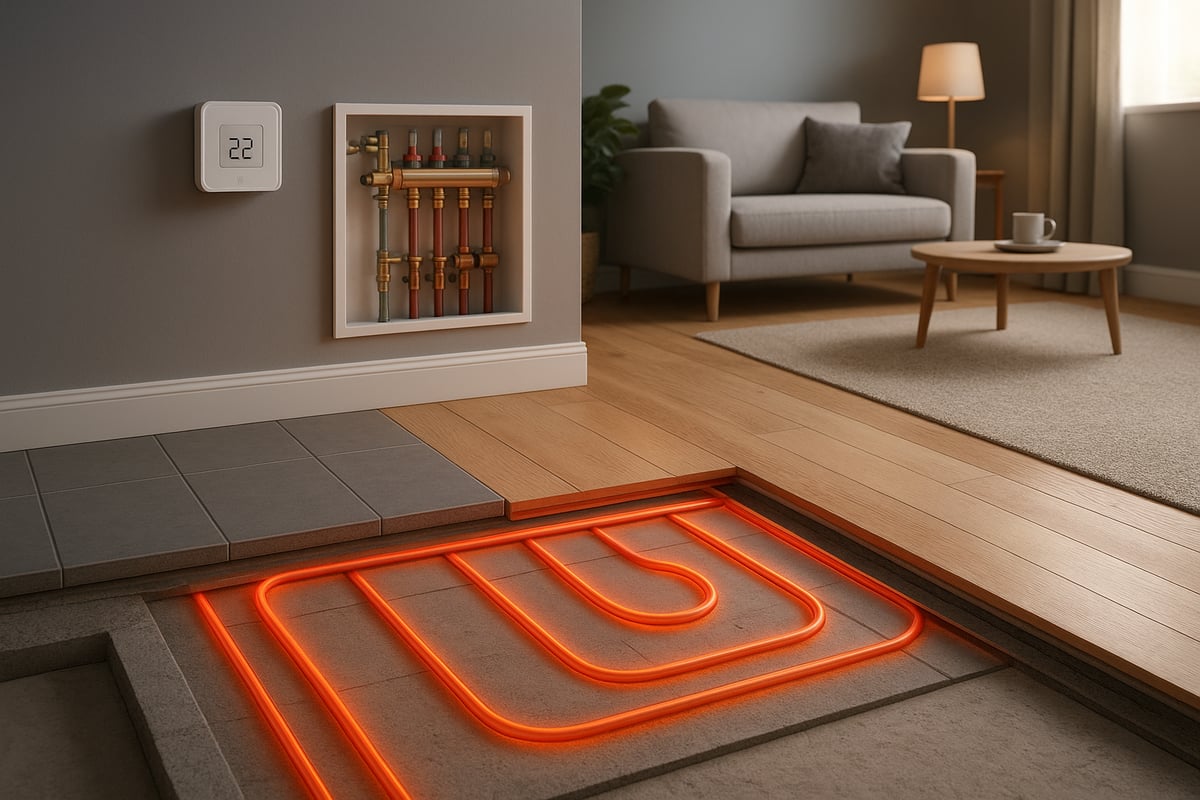
- Pipes: Carry heated water throughout the floor space. Common materials include PEX and multilayer pipes, each offering durability and flexibility.
- Manifolds: Distribute water to different zones, allowing precise control in each room.
- Pumps: Circulate water from the heat source through the pipework.
- Thermostats: Regulate and monitor room temperatures, often with smart features for remote control.
- Insulation: Prevents heat loss downwards, maximising energy efficiency.
Material choices can affect system lifespan and efficiency. Zoning via the manifold enables tailored heating for multi-room properties. For a detailed breakdown of each part, see Key underfloor heating components for further insights.
How the System Operates
The operation of water underfloor heating starts with a heat source, such as a boiler or heat pump, warming the water. This water is then pumped through the pipe network embedded under the floor. As the water moves, heat transfers into the floor surface by conduction, which then radiates gently into the room via convection. The system typically operates at lower temperatures (30–50°C) compared to radiators (60–80°C), which improves energy efficiency and comfort. Smart thermostats help maintain precise control, reducing wasted energy and ensuring the floor always feels warm when you need it.
Types of Water Underfloor Heating Systems
There are several main types of water underfloor heating systems to suit different property needs:
| System Type | Floor Compatibility | Best Use Case | Profile Height |
|---|---|---|---|
| In-screed | Tile, stone, engineered wood | New builds | Standard |
| Overfloor | Wood, vinyl, carpet | Renovations | Moderate |
| Low-profile | Most floor coverings | Retrofits | Minimal (as low as 15mm) |
In-screed systems are ideal for new constructions, while overfloor and low-profile kits cater to renovations or spaces with limited floor height. Choosing the right system ensures compatibility with your chosen floor covering and the specific requirements of your project. The demand for retrofit-friendly water underfloor heating has grown rapidly in the UK, making these innovative solutions more accessible than ever.
Benefits and Drawbacks: Is Water Underfloor Heating Right for You?
Imagine the comfort of waking up to a gently heated floor, with warmth radiating evenly through every corner of your home. Water underfloor heating offers this luxury, but it is important to weigh both its benefits and potential drawbacks before making a decision. Let us explore what sets this system apart, its challenges, and where it works best.
Advantages of Water Underfloor Heating
Water underfloor heating delivers even, consistent warmth across the entire room, eliminating cold spots often found with radiators. This system operates at lower temperatures, leading to improved energy efficiency and lower running costs, especially in well-insulated homes. Many homeowners experience a noticeable uplift in property value and buyer appeal after installation.
There are health benefits, too, as water underfloor heating reduces dust circulation and allergens, creating a healthier environment. The system is highly compatible with renewable energy sources, such as heat pumps and solar panels, supporting sustainability goals. For a deeper look at cost-effectiveness and real-world savings, see this Cost-Effective Water Underfloor Heating in UK Homes guide.
Potential Drawbacks to Consider
Despite its advantages, water underfloor heating does come with some challenges. The initial installation cost is typically higher than for traditional radiators, and the process can take longer, especially in retrofit projects. Raising the floor level may impact doors and skirting boards, requiring adjustments.
Another consideration is response time. Water underfloor heating is not ideal for rapid temperature changes, as it takes time to warm up and cool down. In older homes, installation can be more complex, sometimes requiring additional insulation or structural work. Weigh these factors carefully to ensure the system aligns with your expectations and property needs.
Comparing Water and Electric Underfloor Heating
When deciding between water underfloor heating and electric systems, cost and application are key. Water systems have higher upfront costs but offer lower running expenses, making them ideal for whole-house heating. Electric systems, while cheaper to install, often cost more to run and are better suited to smaller spaces or single rooms.
Maintenance requirements differ as well. Water underfloor heating systems generally last longer and require periodic servicing, while electric mats may need less frequent attention. According to recent market data, water systems are gaining popularity for their efficiency and suitability for larger UK homes.
| Feature | Water Underfloor Heating | Electric Underfloor Heating |
|---|---|---|
| Upfront Cost | Higher | Lower |
| Running Cost | Lower | Higher |
| Best Use Case | Whole-house | Small rooms |
| Lifespan | 20+ years | 10–15 years |
Suitability for Different Properties
Water underfloor heating is particularly well-suited to new builds, large open-plan areas, and extensive renovations. It shines in spacious, modern homes where consistent heating is a priority. However, it can be challenging in smaller or heavily partitioned properties, where zoning and pipe layout become more complex.
Listed or historic buildings require special consideration, as floor heights and building regulations may restrict installation options. Multi-room kits offer flexibility for family homes, supporting tailored heating control. The UK self-build market is embracing water underfloor heating, with growing demand for efficient, future-proof heating solutions.
Planning and Installation: Step-by-Step Guide for 2026
Embarking on a water underfloor heating project requires thorough planning and a clear understanding of each stage. By following expert advice and proven steps, you can ensure a smooth installation process and long-term comfort in your home.
Assessing Feasibility and Requirements
Before choosing water underfloor heating, a detailed property survey is essential. Start by evaluating whether your floors are solid, suspended, or floating, as this determines the system type and installation method. Ensure your subfloor is structurally sound and capable of supporting the new system and floor covering.
Proper insulation is vital for efficiency, reducing heat loss and maximising comfort. Assess the insulation beneath your floors to meet current building regulations. Check for potential issues such as low ceiling heights, which may be affected by the floor build-up associated with water underfloor heating. Pre-installation checks should include heat loss calculations and verifying that floor loads are within safe limits.
Building regulations in the UK require compliance for heating systems, so confirm that your project meets all standards. If you are planning a renovation, consider how door and skirting board heights might be impacted. For listed or historic buildings, seek additional permissions before proceeding.
System Design and Sizing
Effective system design is the foundation of reliable water underfloor heating. Calculate the heat output requirements for each room based on size, insulation, and intended use. This ensures your system delivers consistent warmth without inefficiency.
Divide your home into zones, each with its own thermostat and manifold connection. Zoning allows for precise temperature control and improved energy savings. Position manifolds in accessible locations, ideally central to the zones they serve, to minimise pipe runs and balance heat distribution.
Pipe layout patterns, such as serpentine or spiral, influence heat spread and response time. Set pipe spacing and choose the right diameter to match your floor construction and output needs. Select pumps and boilers that are compatible with water underfloor heating, ensuring sufficient flow rates and low-temperature operation for optimal performance.
A case study of a four-bedroom house highlights the benefits of multi-room zoning and tailored pipework, resulting in balanced temperatures throughout the home. Careful design at this stage prevents common pitfalls and supports long-term efficiency.
Installation Steps: Chronological Walkthrough
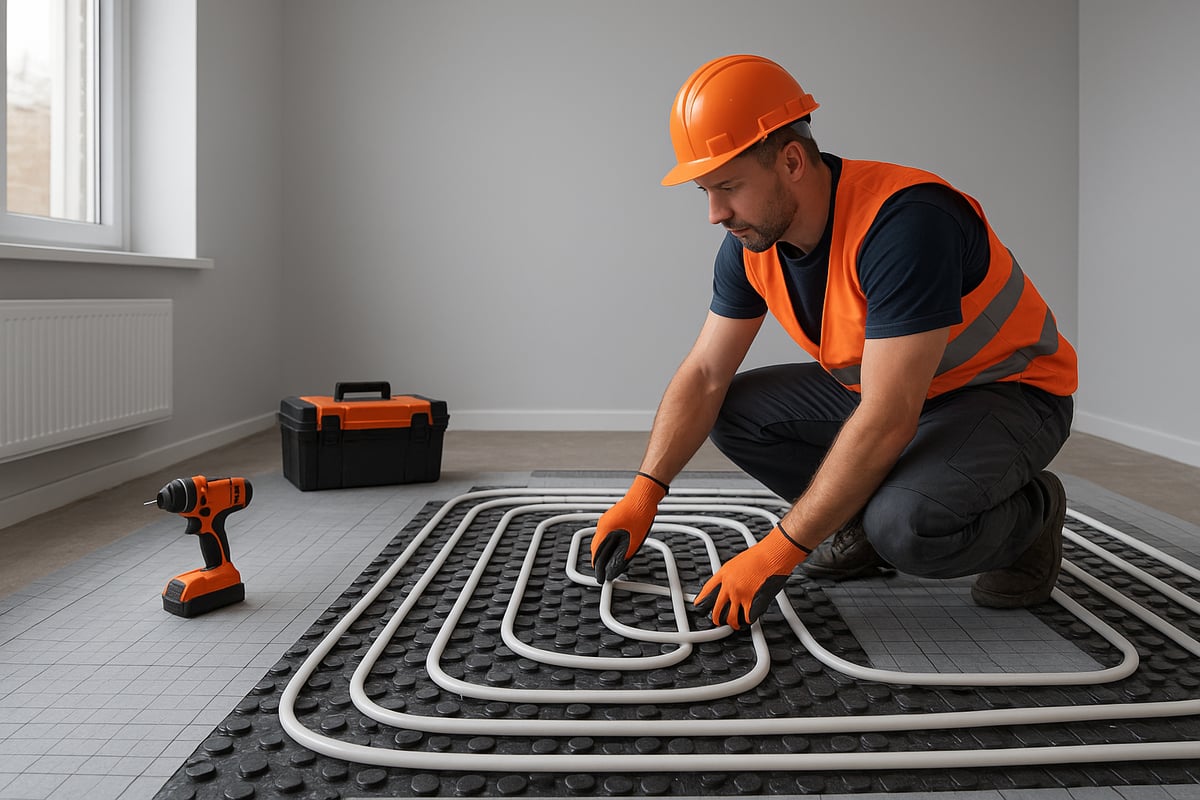
The installation of water underfloor heating follows a logical sequence. Begin by preparing the subfloor, removing debris, and laying insulation to prevent downward heat loss. Secure the underfloor pipes using fixing systems, staples, or boards, following your chosen layout pattern.
Connect the pipes to the manifold and perform a pressure test to check for leaks before covering the system. Depending on your floor type, pour a screed or install overlay panels to encase the pipes and provide a stable surface for your chosen floor covering.
Install thermostats and wiring centres, ensuring each zone can be controlled independently. After all components are in place, commission the system and carry out a first run to test for even heating and system integrity. For a detailed, stepwise process, refer to this How to install underfloor heating guide, which offers further insights and practical tips.
A typical installation for a single room takes between two and five days, depending on complexity and drying times. Multi-room projects may require additional time, so plan accordingly to minimise disruption.
Professional vs. DIY Installation
Choosing between professional and DIY installation of water underfloor heating depends on the scale and complexity of your project. Professional installers bring expertise, ensure compliance with building regulations, and often provide warranties for both materials and labour. This route is recommended for whole-house systems or complex layouts.
DIY installation is suitable for simpler, single-room projects, especially when using pre-assembled kits. However, risks include incorrect pipe layout, poor insulation, and potential leaks if pressure testing is overlooked. These mistakes can compromise efficiency and lead to costly repairs.
Cost differences are notable, with professional installation carrying higher upfront charges but reducing the risk of errors. When selecting DIY kits, look for WRAS-approved products for quality assurance. Always prioritise safety, and do not hesitate to consult experts if you encounter challenges.
Maintenance and Aftercare
Maintaining your water underfloor heating system is key to long-term performance and reliability. Schedule annual servicing to check all components, including pumps, thermostats, and manifolds. Regular flushing and inhibitor checks help prevent sludge build-up and protect against corrosion.
Troubleshoot common issues such as airlocks or uneven heating by bleeding the system and ensuring all zones are balanced. Keep a record of your installation and maintenance schedule, following manufacturer recommendations for best results.
Warranty support is invaluable. Register your system with the supplier and retain documentation for future reference. Proactive aftercare preserves efficiency, extends system life, and ensures your investment in water underfloor heating continues to deliver comfort and value.
Cost Breakdown and Running Efficiency: What to Expect in 2026
Understanding the true cost of water underfloor heating is essential for homeowners planning upgrades in 2026. In this section, we break down installation costs, ongoing expenses, available funding, and long-term value. Discover practical ways to enhance efficiency and avoid common financial pitfalls.
Upfront Installation Costs
The initial investment for water underfloor heating varies based on several factors. Material prices, labour rates, and the size of your property all play a role. For 2026, expect average installation costs to fall within these ranges:
| System Type | Materials (£/m²) | Labour (£/m²) | Total (£/m²) |
|---|---|---|---|
| Standard Output Kit | 20–35 | 30–50 | 50–85 |
| High Output Kit | 30–45 | 40–60 | 70–105 |
| Electric UFH (compare) | 15–30 | 20–35 | 35–65 |
Water underfloor heating generally costs more to install than radiators or electric systems. The choice of screed, insulation, and control systems also impacts the final price. For example, a typical three-bedroom home might see total costs between £5,000–£8,000 for a standard setup.
Running Costs and Energy Savings
Once installed, water underfloor heating offers impressive efficiency. Lower operating temperatures and even heat distribution mean reduced energy consumption compared to traditional radiators. Annual running costs depend on your insulation, system controls, and energy tariffs.
Smart thermostats further optimise performance, helping you save up to 40% on heating bills in well-insulated homes. For detailed comparisons, Underfloor Heating Efficiency Insights explains how water underfloor heating can outperform conventional systems in both comfort and savings.
Government data shows that, with proper insulation and zoning, a detached property could see annual running costs between £400–£700, noticeably less than with older radiator systems.
Funding, Grants, and Finance Options
Financial support is available to help offset the cost of water underfloor heating. The Boiler Upgrade Scheme and Renewable Heat Incentive remain popular in the UK, offering grants for eco-friendly installations. Many installers also provide interest-free credit and monthly repayment plans.
Eligibility often depends on property type, existing heating, and the system’s efficiency. Homeowners who combine underfloor heating with renewable energy sources are more likely to qualify for grants. Uptake rates for government incentives are increasing, especially among those planning major renovations or self-build projects.
It is possible to secure 0% finance, spreading payments over several years, making water underfloor heating more accessible for families and first-time buyers.
Long-term Value and Return on Investment
Investing in water underfloor heating increases your home’s value and appeal. Modern heating systems often boost EPC ratings, which can be a deciding factor for buyers. Many estate agents report higher offers on properties with efficient, future-proofed heating.
The payback period typically ranges from 5 to 10 years, depending on energy prices and usage habits. Beyond financial returns, you gain improved comfort, healthier air quality, and long-term savings. Homes with water underfloor heating also attract more interest on the market, particularly from environmentally conscious buyers.
A recent study showed homes with upgraded heating systems can see a value uplift of 3–5%. This makes the investment worthwhile for both current enjoyment and future resale.
Cost-Saving Tips and Mistakes to Avoid
To maximise efficiency and savings with water underfloor heating, follow these expert tips:
- Invest in high-quality insulation to reduce heat loss.
- Use zoning to heat only occupied rooms.
- Select the right system for your floor type and property layout.
- Avoid overspecifying system output or unnecessary extras.
- Compare installer quotes and ensure warranties are comprehensive.
Common mistakes include neglecting insulation, poor planning, and choosing incompatible floor coverings. Bundling underfloor heating with other renovations can also provide significant cost advantages.
Technology, Controls, and Future Trends in Water Underfloor Heating
The pace of innovation in water underfloor heating is transforming how UK homes are heated. With rapid advances in technology, controls, and materials, these systems are more efficient, user-friendly, and future-proof than ever before.
Smart Thermostats and Zoning
Smart thermostats are redefining water underfloor heating control. Modern systems feature WiFi connectivity, app-based scheduling, and voice assistant integration. Homeowners can easily adjust temperatures remotely, ensuring comfort and efficiency.
Multi-zone heating allows each room to be set to its own preference. This is ideal for busy family homes or properties with irregular occupancy patterns. For example, the Heatmiser Neo system lets you manage up to 32 zones from your smartphone or tablet.
Adoption of smart controls in UK homes has surged. According to industry data, over 60% of new water underfloor heating installations now include smart thermostats, reflecting demand for both convenience and energy savings.
Integration with Renewable Energy Sources
Water underfloor heating is highly compatible with renewable energy systems. Air source and ground source heat pumps pair efficiently with underfloor heating due to their ability to deliver lower temperature water. This synergy boosts system performance and reduces running costs.
Solar thermal systems can also be integrated, providing hot water for both heating and domestic use. Hybrid setups, combining renewables with traditional boilers, are increasingly popular for future-proofing homes and cutting carbon emissions.
Government initiatives, such as the UK’s low-carbon heating targets, are accelerating this trend. Homeowners installing water underfloor heating with renewables can expect lower bills and a reduced environmental footprint.
Advances in Materials and Installation Techniques
Recent years have seen major improvements in the components used for water underfloor heating. Thinner, more flexible pipes enable easier retrofits, even in properties with limited floor height. Rapid-drying screeds and overlay panels speed up installation and minimise disruption.
Pre-assembled manifold kits simplify the process, reducing errors and saving time for installers. The introduction of low-profile solutions, like LoFlo LITE kits, has made water underfloor heating accessible for a wider range of homes.
For a detailed look at system types and how new materials are improving efficiency, see the Wet Underfloor Heating System Guide. These advancements help ensure reliable, long-lasting performance.
Sustainability and Environmental Impact
Sustainability is at the heart of modern water underfloor heating. By operating at lower temperatures than radiators, these systems use less energy and are well suited to renewable heat sources. This makes them a key player in achieving net-zero heating goals for UK homes.
Many components, including pipes and insulation, are now designed for recyclability and reduced environmental impact. Eco-friendly insulation options, such as recycled boards, further enhance system sustainability.
UK building regulations are increasingly focused on green construction. Choosing water underfloor heating supports compliance and helps improve your property’s environmental credentials.
What’s Next? Trends for 2026 and Beyond
Looking ahead, the water underfloor heating market is set for significant growth. Industry forecasts indicate a steady rise in adoption, especially as part of whole-house smart energy systems. Integration with AI-driven controls and self-learning thermostats will make heating even more intuitive and efficient.
Pilot projects in UK smart homes are demonstrating how water underfloor heating can be optimised alongside solar PV, battery storage, and EV charging. For an in-depth analysis of market growth and efficiency trends, explore the European Underfloor Heating Market Analysis.
As technology evolves, water underfloor heating is positioned as a cornerstone of sustainable, high-performance home heating in the UK.
Expert Tips, FAQs, and Common Mistakes to Avoid
Navigating the world of water underfloor heating can feel complex, but expert guidance makes all the difference. Whether you are planning a new installation or optimising an existing system, the following insights and solutions will help you achieve reliable warmth, energy efficiency, and peace of mind.
Pro Tips for Maximising Comfort and Efficiency
To get the best from your water underfloor heating, start by programming thermostats to match your lifestyle. Schedule heating cycles around your daily routine for maximum comfort and lower energy bills.
Install floor sensors alongside air sensors for precise temperature control. Zoning different rooms allows you to personalise warmth and avoid heating unused spaces. Use smart thermostats for remote management and data-driven optimisation.
For further expert advice and system options, explore the Nu-Heat underfloor heating overview to make informed choices tailored to your home.
Professional installers recommend balancing comfort and efficiency, especially in large open-plan areas, by adjusting flow rates and setpoints. Regularly review your settings to adapt to seasonal changes.
Frequently Asked Questions (FAQs)
Can water underfloor heating replace all radiators in my home? Yes, these systems are often used as the sole heat source, especially in new builds or major renovations.
How long does installation take? Most single-room projects are completed within 2 to 5 days, depending on floor type and system complexity.
Which floor coverings are compatible? Water underfloor heating works well with tile, stone, engineered wood, vinyl, and some carpets. For detailed guidance, see this underfloor heating floor types resource.
Is it safe for children and pets? Absolutely, as the system is sealed and operates at low temperatures, making it safe and comfortable underfoot.
If you are concerned about running costs, rest assured that water underfloor heating is designed for efficiency and long-term savings.
Common Installation and Usage Mistakes
Avoid common mistakes to ensure your water underfloor heating performs optimally. Skimping on insulation is a frequent error, leading to heat loss and higher bills.
Incorrect pipe layout or spacing can cause uneven heating. Always follow manufacturer guidelines and double-check before screeding. Placing thermostats in direct sunlight, near drafts, or behind furniture affects temperature readings and system performance.
Selecting the wrong floor covering can reduce efficiency. Ensure compatibility with your chosen system, referring to expert advice where needed.
Neglecting to pressure test pipes before covering them is a critical oversight, potentially leading to leaks or future repairs.
Troubleshooting and Problem Solving
Experiencing cold spots or uneven heating with water underfloor heating? Start by checking for airlocks in the pipework, as trapped air can block water flow.
If the system is not reaching the set temperature, verify thermostat settings and ensure the boiler or heat pump is operating correctly. Leaks, though rare, should be identified early by monitoring pressure gauges and inspecting visible joints.
For minor issues, follow the manufacturer's troubleshooting guide. Most common aftercare problems include incorrect programming, air in the system, or blocked pumps.
When in doubt, consult your installer or refer to your system manual for step-by-step solutions.
When to Call a Professional
Call a certified expert if you notice persistent faults, leaks, or control issues with your water underfloor heating. Professional installers are trained to handle complex diagnostics and repairs, ensuring system longevity and efficiency.
Choosing WRAS or Gas Safe registered professionals guarantees compliance with UK regulations and protects your warranty. Maintenance contracts can offer regular servicing, priority support, and peace of mind.
Customer satisfaction rates are consistently higher when installations and repairs are carried out by experienced professionals compared to DIY attempts.
If you are unsure at any stage, seeking help early prevents minor issues from becoming costly problems.