
Reliable plumbing is more essential than ever in 2026, as modern homes and businesses depend on efficient water systems for daily life. When issues arise, even minor disruptions can cause significant inconvenience and stress.
That is why having access to accurate plumbers help is vital. This handbook is designed to give homeowners and property managers the knowledge they need for maintenance, repairs, and upgrades.
Use this plumbers help guide as your trusted resource whenever you need clear, up-to-date advice. Inside, you will find comprehensive support on understanding plumbing systems, choosing the right plumber, maintenance tips, troubleshooting common problems, exploring new technologies, and saving on costs.
Understanding Modern Plumbing Systems
Modern plumbing systems are the backbone of every functional property, combining essential infrastructure with new technologies. Whether you are a homeowner or property manager, a clear understanding of your system is crucial. This section provides a detailed breakdown to support your plumbers help journey.
Key Components of a Home Plumbing System
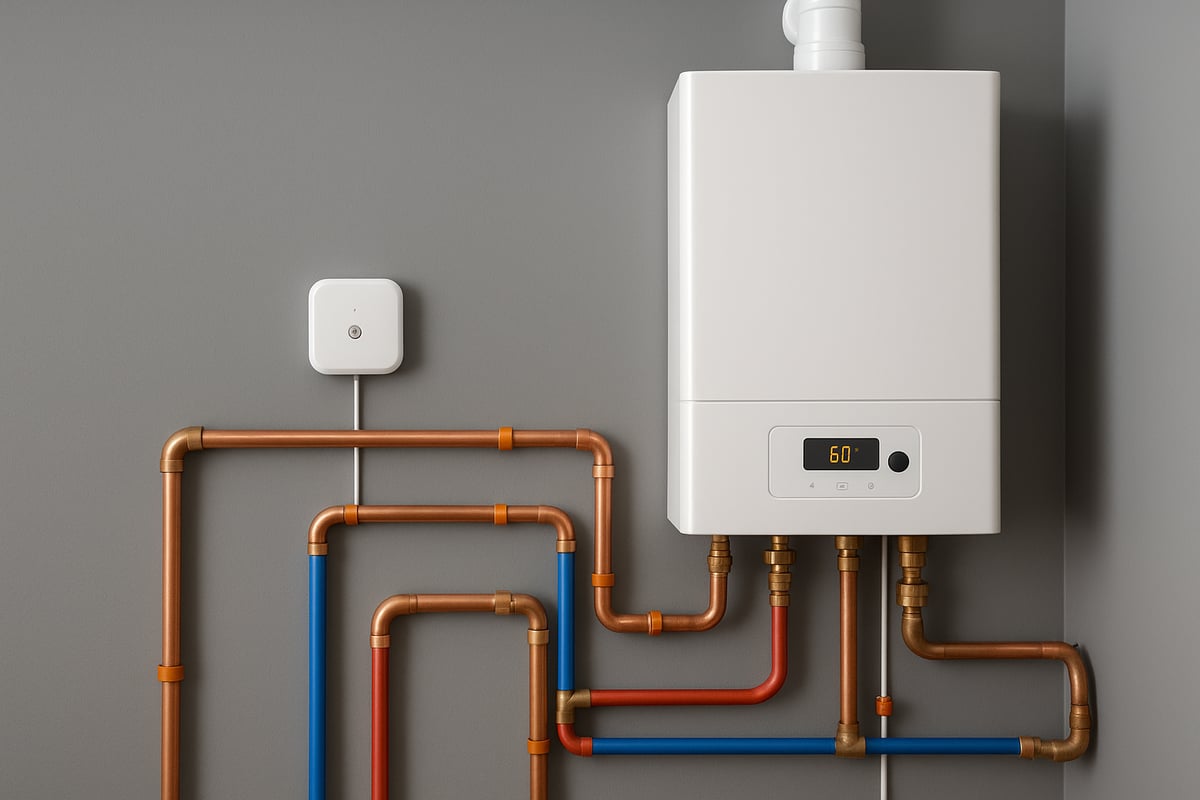
A domestic plumbing system has two main sections: the supply system brings fresh water to taps and appliances, while the drainage system removes wastewater. Common pipe materials include copper, PEX, and PVC. The table below summarises their pros and cons:
| Material | Pros | Cons |
|---|---|---|
| Copper | Durable, reliable | Expensive, rigid |
| PEX | Flexible, easy to fit | Sensitive to UV, newer |
| PVC | Cheap, corrosion-free | Not for hot water |
Water pressure regulation is essential to prevent damage and ensure efficiency. Shut-off valves allow quick isolation during repairs, and backflow preventers protect your water supply. Many modern UK homes now use PEX for its flexibility and durability, with plumbers help available for upgrades or troubleshooting. For an overview of how professionals support these systems, read the Comprehensive plumbing services overview.
How Plumbing Has Evolved by 2026
By 2026, plumbing has embraced smart technology and sustainability. Homeowners benefit from leak detectors that alert via smartphone apps, and automated shut-off valves that react instantly to emergencies. Eco-friendly fixtures, such as low-flow taps and dual-flush toilets, are common. Integration with home automation systems allows remote control of heating and water use, making plumbers help vital for installation and maintenance. Notably, smart leak detection systems have reduced insurance claims by 25 percent, according to recent industry reports. This evolution means plumbing is now smarter, safer, and more efficient.
Regulatory Standards and Compliance in the UK
UK plumbing must comply with strict regulations to ensure safety and water quality. The Water Supply (Water Fittings) Regulations 1999 set out key standards for materials and installation. Building regulations also govern how plumbing is fitted in new builds and renovations. Plumbers help ensure compliance by holding certifications such as Gas Safe or WRAS approval. Only certified professionals can legally work on gas appliances. Government data shows that 90 percent of UK installations now require certified plumbers, highlighting the importance of choosing qualified experts for any work.
Common Plumbing System Layouts in 2026
Homes in 2026 feature a mix of centralised and decentralised hot water systems. Centralised systems use a single boiler or cylinder to serve the whole property, while decentralised systems place smaller water heaters closer to the point of use. Renewable energy integration is on the rise, with solar water heating and air source heat pumps becoming standard in new builds. The popularity of combi boilers continues to grow, offering efficient heating and instant hot water. Plumbers help design and install these systems, ensuring they meet the needs of modern living and sustainability targets.
Signs Your Plumbing System Needs Attention
Early recognition of plumbing problems is key to preventing costly damage. Warning signs include low water pressure, discoloured water, and recurring leaks. An unexpected rise in water bills can indicate hidden issues. Noisy pipes or slow drainage are also red flags. UK households can lose up to £300 per year from undetected leaks. Plumbers help diagnose and resolve these problems before they escalate, protecting your property and finances. Regular checks and prompt action are essential for a healthy and efficient plumbing system.
Choosing the Right Plumber in 2026
Selecting the right professional is crucial to any successful plumbing project. In this section of our plumbers help guide, you will find essential advice for evaluating, hiring, and working with plumbers in 2026. With regulations tightening and technology advancing, making informed choices is more important than ever.
Qualifications and Certifications to Look For
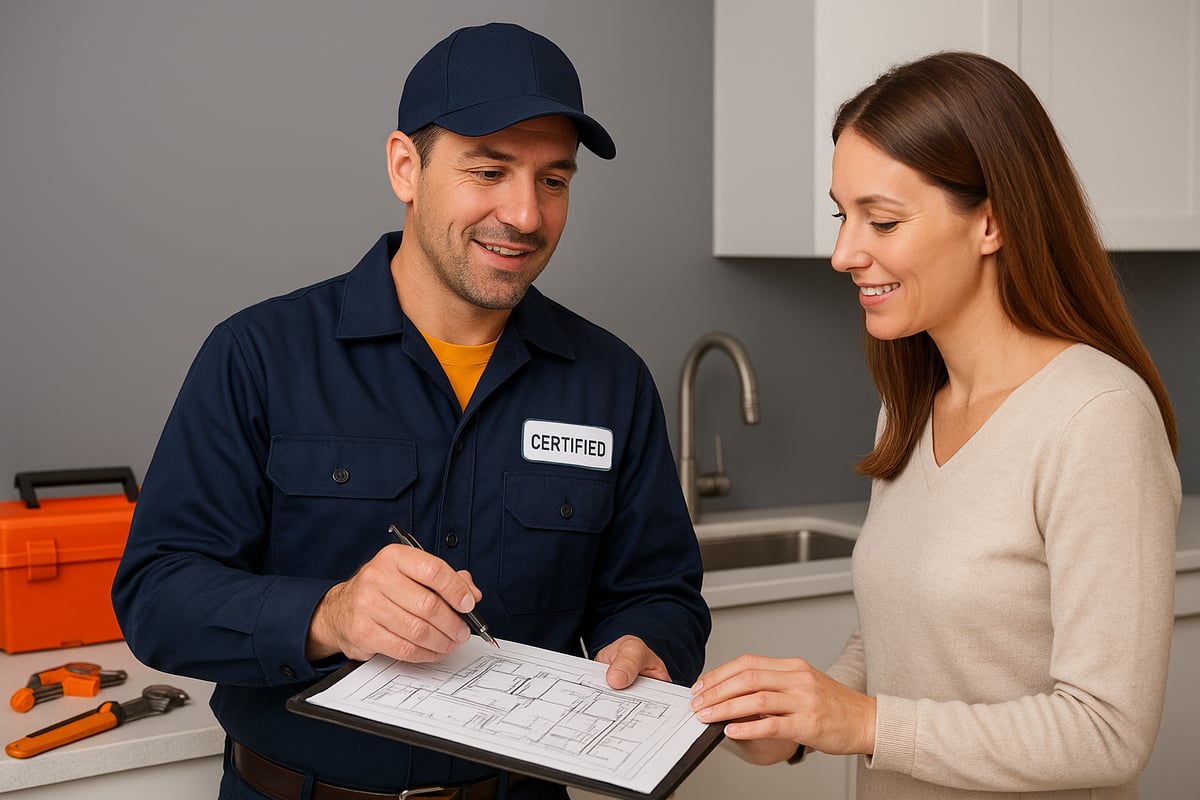
When searching for reliable plumbers help, always check for industry-recognised qualifications and certifications. Look for membership in the Gas Safe Register for any gas-related work, as this is a legal requirement in the UK. WRAS (Water Regulations Advisory Scheme) approval is also essential for water fittings compliance.
Many trusted professionals hold City & Guilds or NVQ qualifications, demonstrating technical competence and up-to-date skills. The table below summarises key certifications:
| Certification | Purpose |
|---|---|
| Gas Safe Register | Gas safety compliance |
| WRAS Approved | Water fitting regulations |
| City & Guilds/NVQ | Technical plumbing proficiency |
According to recent surveys, 85% of UK consumers prefer certified plumbers help for peace of mind and quality assurance.
Vetting and Comparing Local Plumbers
Proper vetting is a cornerstone of effective plumbers help. Start by reviewing online platforms like Trustpilot or Checkatrade to gauge reputation. Genuine customer feedback and verified ratings can reveal much about reliability and service quality.
Ask for references and request photos of completed projects, especially if your job involves complex installations. Always verify public liability insurance and warranty options for added protection. If you are based in the North East, you can find additional guidance on how to choose a plumber in Newcastle and compare local options to suit your needs.
Questions to Ask Before Hiring
To get the most from your plumbers help, prepare a set of questions before hiring. Enquire about their experience with your specific system, such as underfloor heating, unvented cylinders, or smart home integration.
Always request a detailed, written quote that itemises labour, parts, and any potential extras. Clarify their emergency call-out policy and typical response times. Consider asking:
- How long have you been in business?
- Are all works guaranteed?
- What is your approach to unexpected issues?
By being thorough, you reduce the risk of misunderstandings and ensure the job meets your expectations.
Understanding Pricing Structures
Understanding plumbing costs is a fundamental aspect of plumbers help. Pricing structures may vary between hourly rates and fixed quotes, so ask for clear breakdowns in advance. For example, the average hourly rate for plumbers in the North East ranges from £40 to £60, based on 2025 data.
Fixed quotes are often preferable for larger jobs, as they help avoid surprises. Always check what is included in the quote, such as materials, travel, and disposal of old fixtures. Comparing several quotes side by side empowers you to make confident, cost-effective decisions.
Plumbing and Heating Services in the North East
For those seeking plumbers help in the North East, Nu-Heat North East has built a trusted reputation since 1983. They offer comprehensive plumbing and heating solutions, including installations, repairs, and bespoke bathroom designs for both homes and businesses.
With 0% interest financing available, projects become more accessible through affordable monthly payments. Their team of highly trained and certified technicians ensures all work meets current regulations and standards. Local expertise means you benefit from tailored advice and prompt service, vital for any plumbing or heating project.
Essential Plumbing Maintenance Tips for Homeowners
Proper plumbing maintenance is crucial for the smooth running of any property. Whether you are a homeowner or a property manager, adopting a proactive approach can prevent costly repairs and water damage. This section of the plumbers help guide delivers practical advice on keeping your plumbing system in top condition throughout the year.
Routine Checks and Preventative Measures
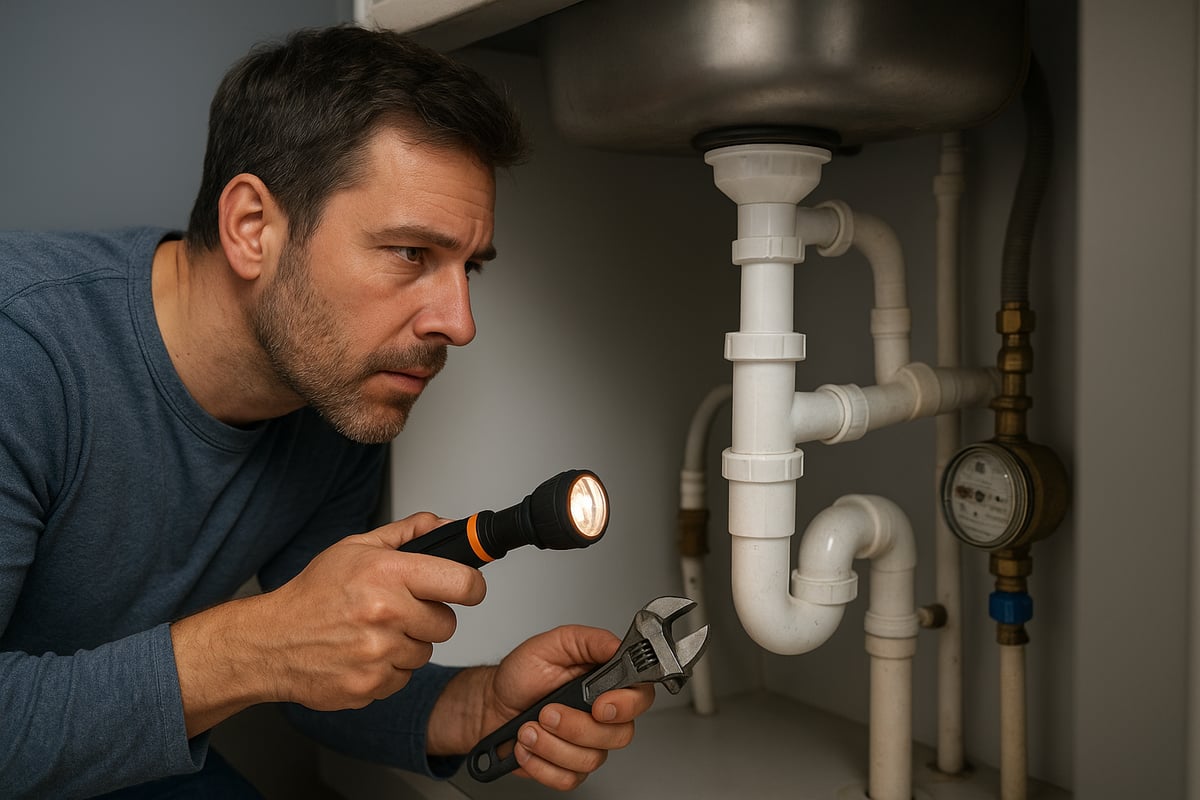
Routine checks form the backbone of effective plumbing maintenance. Start by inspecting all visible pipes, joints, and taps for leaks or corrosion. Look for damp patches under sinks and around appliances. Clean out drains and traps regularly to prevent build-up and blockages. Consider scheduling annual boiler servicing to ensure efficiency and safety. For most tasks, a simple visual inspection and basic tools suffice, but the plumbers help guide recommends keeping a checklist for consistency. If you spot persistent drips or minor leaks, consult resources such as Plumbing repairs explained to understand repair options and when to involve a professional.
Seasonal Plumbing Maintenance
Seasonal changes present unique challenges for your plumbing system. In winter, insulate exposed pipes to prevent freezing and bursts. Check outdoor taps, hoses, and irrigation systems in summer to ensure they are free from leaks or blockages. Drain and disconnect garden hoses before frost arrives. The plumbers help guide suggests testing your stopcock each season for smooth operation. Remember, up to 30 percent of winter plumbing emergencies stem from frozen pipes. By adapting your maintenance routine to the seasons, you can avoid unnecessary disruption and protect your investment.
Water Efficiency and Conservation
Water conservation is vital for both the environment and your household budget. Fit low-flow toilets and aerated taps to reduce water usage without sacrificing performance. Repairing a dripping tap can save up to 5,500 litres per year. Install smart meters to monitor usage trends and detect anomalies early. The plumbers help guide encourages homeowners to regularly review their water bills for unexpected increases, which may signal hidden leaks. Adopting these measures not only lowers your costs but also contributes to sustainable water management in your community.
Dealing with Hard Water Issues
Hard water is a widespread issue across the UK, affecting over 60 percent of homes. Signs include limescale build-up on taps, kettles, and appliances, as well as reduced soap lather. Use water softeners or descaler devices to minimise the impact of minerals on your plumbing system. The plumbers help guide advises checking for limescale around showerheads and heating elements, as this can reduce efficiency and lifespan. Regular cleaning and the right equipment can keep your system running smoothly and extend appliance longevity.
When to Call a Professional
Some situations require the expertise of a certified plumber. Major leaks, persistent low pressure, boiler faults, and any work involving gas appliances should not be tackled without professional assistance. Attempting complex repairs can invalidate insurance or warranties. The plumbers help guide stresses the importance of prompt action to prevent extensive damage and higher costs. If you are unsure of the severity of a problem or lack the necessary skills, contacting a qualified professional is always the safest course of action.
Common Plumbing Problems and How to Solve Them
Plumbing problems can strike at any time, causing inconvenience and potential damage. This section of our plumbers help guide covers the most frequent issues homeowners face and offers clear, actionable solutions for each scenario.
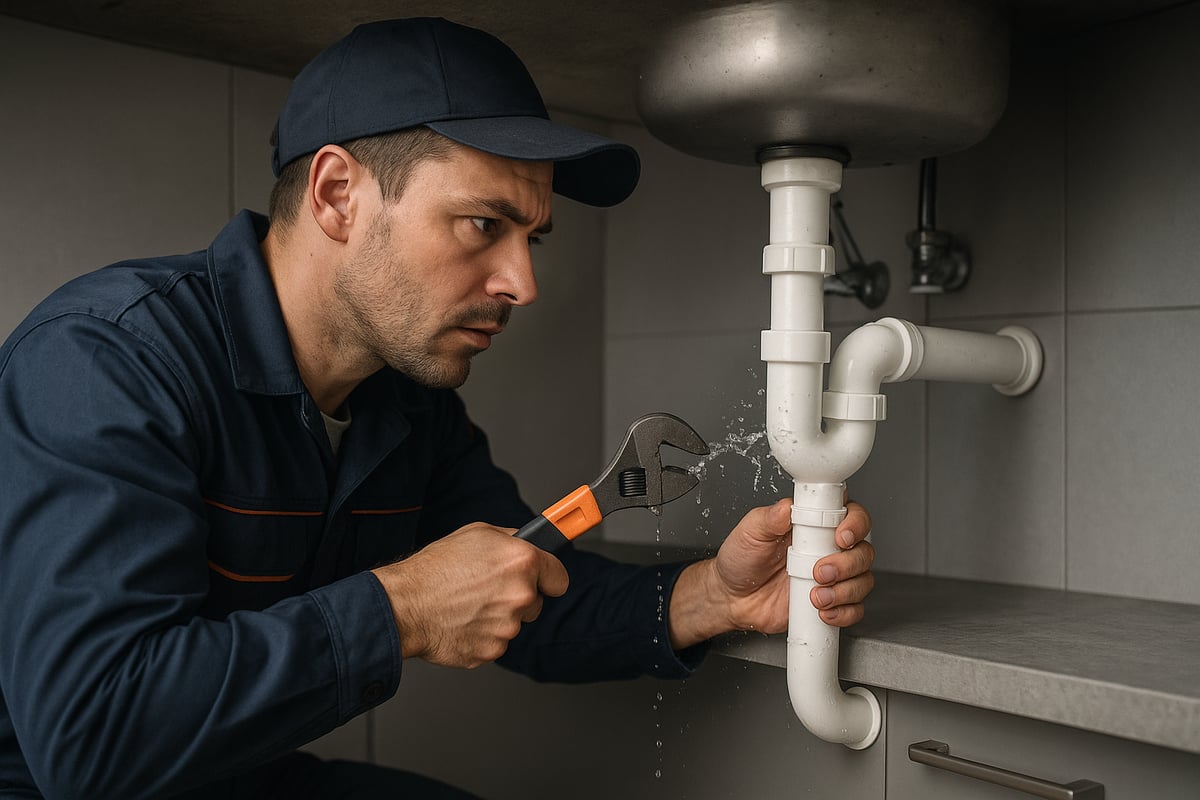
Leaking Taps and Pipes
Leaking taps and pipes are among the most common issues a plumbers help resource can address. Causes include worn washers, corroded joints, or loose fittings. Left unchecked, even a minor leak can waste over 2,000 litres of water each year.
To tackle a leak:
- Isolate the water supply using the nearest shut-off valve.
- Remove the tap handle and replace worn washers or seals.
- For pipe leaks, clean the joint and reseal with plumber's tape or a suitable sealant.
If leaks persist, contacting a professional plumbers help service ensures the problem is resolved safely and efficiently.
Blocked Drains and Toilets
Blocked drains and toilets disrupt daily routines and can quickly become a health hazard. A good plumbers help guide recommends identifying the source: hair, grease, or foreign objects are frequent culprits.
Safe clearing steps:
- Use a plunger to dislodge minor blockages.
- Employ a drain snake for deeper clogs.
- Avoid harsh chemicals, which may damage pipes.
If water backs up repeatedly or odours persist, it is time to call a plumbers help specialist to prevent further complications.
Low Water Pressure
Low water pressure is a frustrating issue that our plumbers help advice can demystify. It may result from hidden leaks, partially closed valves, or problems with the mains supply.
To diagnose:
- Check for visible leaks under sinks or behind appliances.
- Inspect and clean tap aerators for mineral build-up.
- Ensure stop valves are fully open.
If these steps do not restore pressure, a plumbers help expert should investigate, as pressure problems may indicate larger system faults.
Boiler and Radiator Issues
Boiler or radiator faults can leave your property cold and uncomfortable. Common problems include no heating, unusual noises, or uneven warmth. This is where a reliable plumbers help guide is invaluable.
Key solutions:
- Bleed radiators to remove trapped air.
- Check boiler pressure and reset controls.
- Schedule annual servicing to reduce breakdown risk by 60%.
For detailed maintenance, consult these step-by-step boiler servicing tips to keep your heating system efficient and safe.
Emergency Plumbing Situations
Emergencies require immediate action, and a plumbers help manual can be a lifesaver. Major leaks or burst pipes demand quick thinking to limit damage.
Follow these steps:
- Locate and shut off the main stopcock.
- Use towels or buckets to contain water.
- Avoid electrical areas if water is present.
If you cannot control the situation, contact emergency plumbers help services immediately to protect your home and possessions.
Plumbing Innovations and Trends in 2026
The plumbing industry in 2026 is experiencing a remarkable transformation. Homeowners and professionals alike are witnessing rapid advancements that promise greater efficiency, sustainability, and control. This section of the plumbers help guide explores the latest trends shaping modern plumbing, equipping you with insights to stay ahead.
Smart Home Plumbing Technology
Smart technology is revolutionising plumbing systems in UK homes. Leak detection sensors now monitor pipes in real-time, alerting homeowners through smartphone apps at the first sign of trouble. Automated shut-off valves can stop water flow instantly, preventing costly damage. According to a recent Smart plumbing technologies study, ultralow-power acoustic sensors are becoming standard in new builds, helping reduce water waste and insurance claims. Plumbers help homeowners integrate these systems, ensuring seamless connectivity with broader home automation platforms. The result is greater peace of mind and significant savings on repairs.
Sustainable and Eco-Friendly Solutions
Sustainability is at the core of modern plumbing. Greywater recycling systems enable the reuse of water from sinks and showers for flushing toilets or watering gardens. Solar water heating is increasingly common, reducing reliance on traditional energy sources. Households using these eco-friendly upgrades often see water bills fall by up to 30%. Plumbers help clients select and install the right solutions, from low-flow taps to rainwater harvesting tanks. These trends not only benefit the environment but also deliver tangible cost savings for homes and businesses.
Advanced Materials and Installation Techniques
Material innovation is making plumbing installations faster and more reliable. Flexible PEX piping is now widely used for its durability and ease of fitting. Push-fit connectors have replaced older soldering methods, cutting installation times dramatically. According to UK plumbing market trends 2025, push-fit systems are now found in 70% of new homes. Plumbers help property owners understand which materials best suit their needs, ensuring compliance with modern standards and maximising system longevity.
Water Quality Monitoring and Filtration
Clean water is a growing priority for UK households. Real-time water quality sensors are now available, providing instant feedback on contaminants or hardness levels. Whole-home filtration systems are becoming a popular upgrade, filtering every drop before it reaches taps and appliances. With health concerns rising, plumbers help families choose and maintain these filtration solutions, ensuring safe, great-tasting water. Monitoring technology also assists in early detection of supply issues or pipe corrosion, minimising risk and maintenance costs.
The Future of Plumbing Careers
The future for plumbing professionals is bright but changing. There is increasing demand for tech-savvy tradespeople who can install and maintain smart systems and renewable energy solutions. Training programmes now include modules on automation and sustainable technologies, reflecting industry needs. According to recent market data, there has been a 20% rise in plumbing apprenticeships since 2023. Plumbers help bridge the gap between traditional skills and new expertise, making the profession more dynamic and resilient for years to come.
Cost-Saving Strategies for Plumbing Projects
Keeping plumbing costs under control is a priority for homeowners and property managers. With the right strategies, you can make informed choices, protect your budget, and ensure that your investment delivers value. This section of the plumbers help guide offers practical tips for saving money on plumbing projects in 2026.
Comparing Quotes and Negotiating
Getting several quotes is essential for any plumbing project. By comparing at least three detailed estimates, you can identify fair pricing and spot hidden fees. Look for breakdowns of labour, materials, and call-out charges. Always check if VAT is included.
Use the following table to compare quotes:
| Company | Labour Cost | Materials | Call-Out Fee | Total |
|---|---|---|---|---|
| Plumber A | £50/hr | £120 | £30 | £200 |
| Plumber B | £45/hr | £130 | £25 | £200 |
| Plumber C | £60/hr | £110 | £20 | £210 |
Ask if there are package deals or seasonal discounts. With the plumbers help guide, you are better equipped to negotiate confidently. For context on how pricing fits into the broader market, see the UK plumbing industry market size.
DIY vs. Professional Repairs
Before starting a DIY job, weigh the risks and benefits. While simple tasks like replacing a washer can save money, more complex repairs may lead to costly mistakes. The plumbers help guide recommends considering legal and safety issues, especially for gas or electrical work.
According to the Plumbing skills shortage report, the UK faces a shortage of skilled professionals, making certified plumbers even more valuable. Data shows 35% of DIY attempts result in a professional call-out, often costing more in the long run.
When in doubt, consult a professional for peace of mind and compliance.
Upgrading for Efficiency and Long-Term Savings
Investing in efficient fixtures and appliances reduces ongoing costs. High-efficiency boilers, low-flow toilets, and smart water meters can significantly lower bills. The plumbers help guide suggests prioritising upgrades with the highest return on investment.
For example, switching to a condensing boiler can save up to £315 per year. Smart leak detectors and thermostatic radiator valves also offer long-term savings. When planning upgrades, ask about manufacturer warranties and installation guarantees.
Review potential savings with your plumber and choose solutions that suit your property and budget.
Accessing Grants and Financing Options
Many homeowners overlook grants and financing when budgeting for plumbing upgrades. The plumbers help guide highlights government schemes for energy-efficient improvements, such as boiler replacement grants or water-saving device incentives.
Some plumbing companies offer 0% interest financing, making monthly payments manageable. To apply, check eligibility criteria and gather necessary documents, such as proof of ownership and income.
Research available grants online or ask your plumber for advice. Taking advantage of these options can make essential upgrades affordable and support long-term cost savings.