Every comfortable home relies on systems working quietly behind the scenes. Reliable and plumbing and heating make daily life safer and more convenient, yet their importance is often overlooked.
This essential guide for 2025 unpacks the latest trends, technologies, and best practices. It empowers homeowners and property managers with practical insights to understand, maintain, and upgrade these systems.
Inside, you will find clear explanations of system basics, innovations, maintenance tips, energy-saving strategies, safety advice, and how to choose the right professionals. Discover how investing in best practices can bring peace of mind, cut costs, and boost comfort all year round.
Understanding Plumbing and Heating Systems
Modern homes rely on sophisticated and plumbing and heating systems to deliver comfort, safety, and efficiency. These systems are deeply interconnected, working seamlessly to provide fresh water, warm rooms, and reliable hot water. Understanding the essentials behind and plumbing and heating can help you maintain your property, prevent costly issues, and make informed upgrade decisions.
Key Components and How They Work
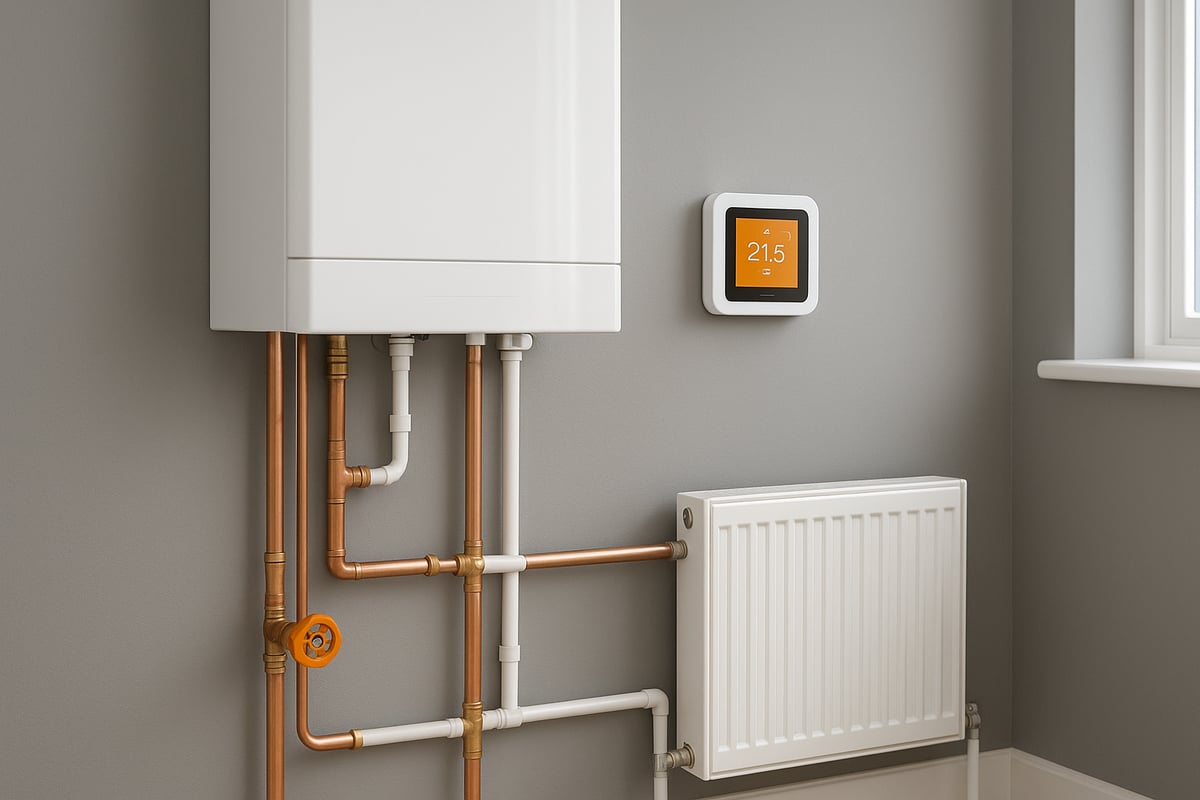
At the heart of every home’s and plumbing and heating system are several core components, each playing a crucial role. The main elements include:
- Pipes (for water supply and heating circuits)
- Boilers (combi, system, or regular)
- Radiators
- Water heaters and storage cylinders
- Pumps and valves
These components work together to ensure both fresh water and central heating flow where needed. Water supply systems bring potable water into the property, while central heating circulates heated water to radiators or underfloor systems.
There are three primary types of boilers in UK homes:
| Boiler Type | How It Works | Typical Use |
|---|---|---|
| Combi | Heats water on demand | Flats, small homes |
| System | Uses a hot water cylinder | Medium to large homes |
| Regular (Conventional) | Requires loft tanks and cylinder | Older or large properties |
Materials matter too. Copper piping is durable and resists bacteria, while plastic pipes are flexible and easy to fit. Stainless steel offers corrosion resistance but at a higher cost. Smart controls, such as programmable thermostats and remote sensors, are now standard, allowing homeowners to adjust settings for both convenience and energy savings.
Recent statistics show that 85% of UK homes still rely on gas boilers (Energy Saving Trust, 2024). For more detailed insights and current trends, see the UK plumbing and heating industry statistics 2024–2025.
Common Problems and Warning Signs
Even the best and plumbing and heating systems can develop issues over time. Common problems include leaks, blockages, low water pressure, and boiler faults. Warning signs often appear before major failures, such as cold spots on radiators, noisy pipes, or rooms that never seem to reach the right temperature.
Homeowners should also watch for dripping taps, inconsistent water flow, or sudden changes in heating performance. The typical lifespan of a boiler is 10–15 years, while pipework and radiators can last decades with proper care. Early detection is key: a small unnoticed leak can quickly escalate into significant water damage, requiring expensive repairs and disrupting daily life.
By recognising these warning signs and addressing them promptly, you can extend the life of your and plumbing and heating systems and avoid unnecessary costs.
System Upgrades and Modernisation
There comes a time when upgrading your and plumbing and heating setup is the most sensible decision. Signs that it might be time include an ageing system, frequent breakdowns, or rising energy bills. Modern systems offer significant benefits: improved comfort, lower running costs, and increased property value.
One of the most impactful changes is switching from gravity-fed to pressurised systems, which provide stronger water flow and more consistent heating. Upgrading to a condensing boiler can also boost efficiency, with modern models achieving up to 92% efficiency (Which?, 2024).
Beyond boilers, consider integrating smart controls and eco-friendly materials for a future-ready home. Taking proactive steps today ensures your and plumbing and heating systems remain reliable, efficient, and compliant with evolving standards.
Latest Trends and Innovations in Plumbing and Heating (2025)
In 2025, the landscape of and plumbing and heating is transforming at an unprecedented pace. Homeowners and property managers are embracing technologies and practices that not only improve comfort but also provide greater control, efficiency, and eco-friendliness. Staying informed about these latest trends ensures your systems remain reliable, future-ready, and cost-effective.
Smart Home Integration
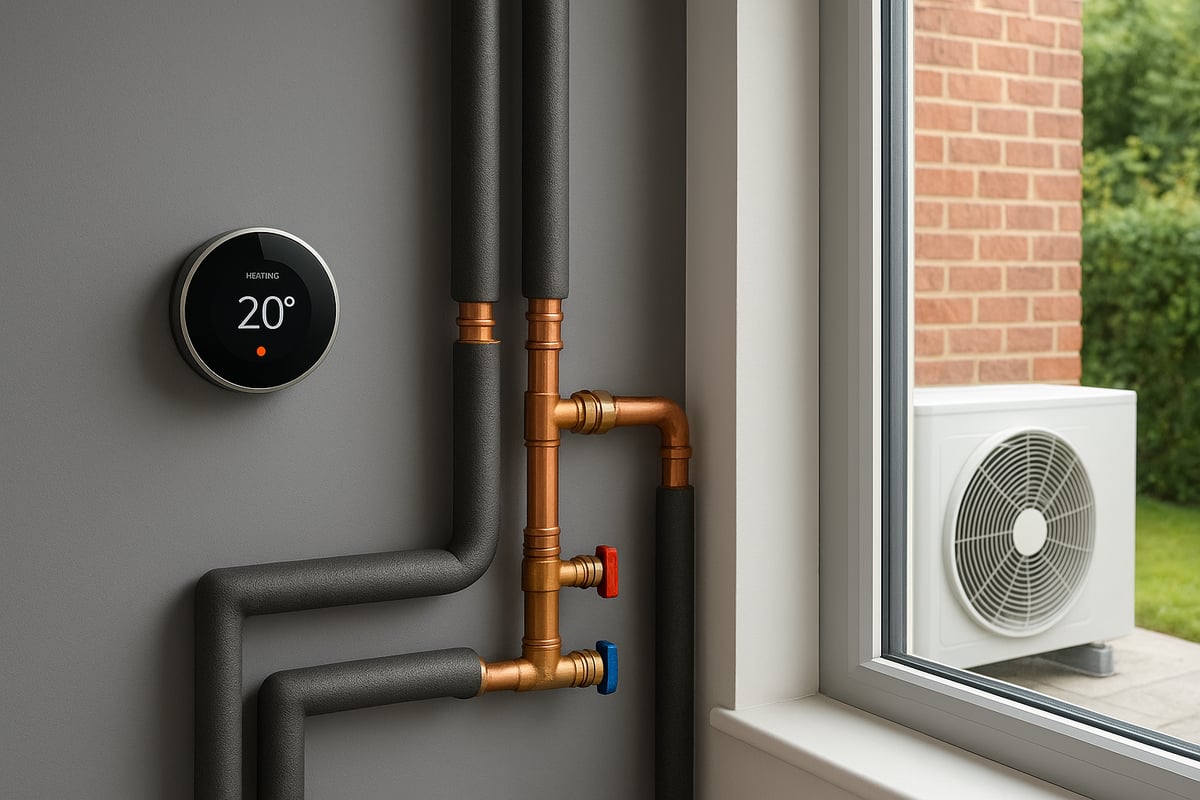
The integration of smart technology is rapidly redefining and plumbing and heating systems across UK homes. Smart thermostats, such as Nest or Hive, allow users to set heating schedules, adjust temperatures remotely, and monitor energy usage—all from a smartphone.
AI-driven diagnostics can now detect inefficiencies or faults in real-time, alerting homeowners before minor issues escalate. Leak detectors and connected sensors help prevent water damage by shutting off supply automatically if a problem is detected.
These innovations not only enhance convenience but also support proactive maintenance, reducing unexpected breakdowns. As smart controls become more affordable and accessible, expect them to become standard in both new builds and retrofits.
Sustainable and Eco-friendly Solutions
Sustainability is now at the heart of and plumbing and heating advancements in 2025. The adoption of heat pumps, solar thermal systems, and biomass boilers is accelerating as homeowners seek alternatives to traditional gas boilers. Water-saving fixtures, such as dual-flush toilets and low-flow taps, are being installed in more properties to combat water waste.
Recent data highlights a 30% year-on-year increase in heat pump installations. Regulatory reforms and planning permission changes have further boosted this trend, as discussed in the UK heat pump adoption statistics 2025 report.
By upgrading to eco-friendly systems, households can significantly reduce carbon emissions and utility bills while future-proofing their properties against stricter environmental standards.
Energy Efficiency and Cost Savings
Improving energy efficiency in and plumbing and heating systems is essential for both environmental and financial reasons. Upgrading to A-rated boilers, fitting thermostatic radiator valves (TRVs), and ensuring thorough insulation of pipes and hot water tanks are key strategies.
Consider this simple comparison table:
| Upgrade Type | Annual Savings (£) | Efficiency Boost |
|---|---|---|
| TRVs | 75 | Improved control |
| Condensing Boiler | 200+ | Up to 92% |
| Pipe Insulation | 30 | Less heat loss |
With these upgrades, the average UK household can save over £200 annually. Investing in efficient and plumbing and heating systems not only cuts costs but also increases property value and comfort.
Regulatory Changes and Compliance
New UK building regulations for 2025 are reshaping the and plumbing and heating industry. Boiler Plus standards now require minimum efficiency levels for all new installations, impacting both homeowners and landlords. Regular Gas Safe checks have become a legal obligation, with non-compliance risking fines or invalidated insurance.
For property managers, these changes mean updating records, scheduling annual inspections, and ensuring all contractors are fully accredited. Staying compliant not only safeguards residents but also preserves the long-term value of your investment.
Understanding these regulatory shifts is key to making informed decisions about upgrades, maintenance, and professional services.
Future-proofing Your Home
Preparing your home for future and plumbing and heating innovations is more important than ever. Hydrogen-ready boilers, modular heating systems, and flexible layouts are designed to accommodate upcoming low-carbon technologies.
A modular system, for example, allows easy expansion or integration of renewable heat sources in the future. By choosing adaptable designs today, homeowners can ensure their properties remain compliant and efficient as regulations and available technologies evolve.
Investing in future-proof and plumbing and heating solutions not only protects against obsolescence but also positions your home to benefit from the next wave of energy-saving breakthroughs.
Essential Maintenance and Troubleshooting
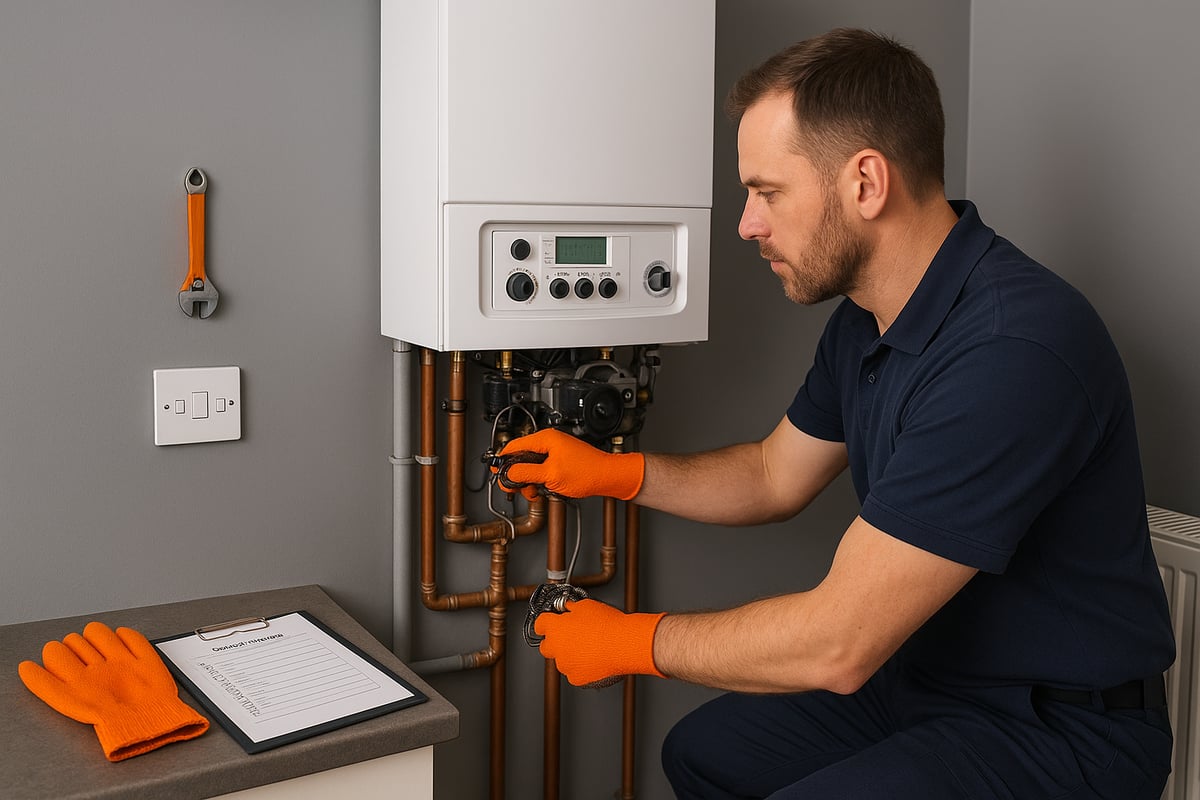
Regular and plumbing and heating maintenance is crucial for keeping your home safe, efficient, and comfortable. Well-maintained systems are less likely to break down unexpectedly, saving you money and stress in the long run. By following a clear maintenance routine, knowing when to tackle issues yourself, and understanding the risks of neglect, you can protect your investment and enjoy peace of mind.
Routine Maintenance Tasks
Routine care is the backbone of any reliable and plumbing and heating system. Start with an annual boiler service carried out by a qualified engineer, which checks for safe operation, efficiency, and potential faults. Bleeding radiators removes trapped air and ensures even heating. Monitor system pressure regularly by checking the gauge on your boiler, and top up as needed.
Inspect visible pipework for leaks or corrosion, especially in hard-to-reach areas. Clean filters and condensate traps to prevent blockages that can cause breakdowns. Schedule a visual inspection of joints and valves, as even small drips can lead to bigger issues if left unnoticed.
A simple radiator bleeding guide:
- Turn off the heating and let radiators cool.
- Use a bleed key to open the valve slightly.
- Listen for a hissing sound as air escapes.
- When water appears, close the valve tightly.
By following these steps, you keep your and plumbing and heating system running smoothly and efficiently.
DIY Troubleshooting vs. Professional Help
Knowing when to attempt repairs yourself and when to call an expert is vital for and plumbing and heating safety. Homeowners can often reset a boiler, top up system pressure, or bleed radiators with basic guidance. However, issues involving gas, persistent leaks, or electrical faults must always be handled by a certified engineer.
Common DIY fixes include:
- Resetting a boiler after a power cut.
- Clearing blockages from visible filters.
- Checking for obvious leaks or loose fittings.
Professional intervention is needed for gas leaks, repeated boiler lockouts, or unexplained pressure drops. Attempting complex repairs without the right qualifications can be dangerous and may void warranties.
For expert advice on safe boiler maintenance and repairs, consult the Professional boiler repair and care service. This ensures your and plumbing and heating system remains both safe and compliant with UK regulations.
Preventative Strategies for Longevity
Prevention is key to extending the life of your and plumbing and heating setup. In hard water areas, installing a water softener or scale inhibitor reduces limescale build-up and protects your boiler. Power flushing your central heating system every five years helps remove sludge and debris, improving efficiency and preventing cold spots.
Fit leak detection devices in vulnerable areas, such as under sinks and near boilers, to catch problems early. Regularly monitor for warning signs like unusual noises, slow hot water, or inconsistent temperatures. Early action can prevent costly breakdowns and water damage.
By investing in preventative care, you future-proof your and plumbing and heating system, ensuring fewer repairs and lower operating costs for years to come.
Cost of Neglect: Risks and Expenses
Neglecting and plumbing and heating maintenance can lead to serious consequences. Common risks include higher energy bills, system failures, and extensive property damage from leaks or bursts. Insurance claims for water damage are frequent, with the average burst pipe claim costing around £8,800 (ABI, 2024).
| Risk | Potential Cost |
|---|---|
| Major leak | £8,800+ |
| Boiler replacement | £2,000–£4,000 |
| Emergency call-out | £150–£300 |
| Increased bills | £200+/year |
Skipped servicing may also affect your insurance, with some policies refusing claims if routine checks are missed. Ultimately, regular attention to your and plumbing and heating system is an investment in safety and financial security.
Choosing the Right Products and Services
Selecting the right and plumbing and heating products and services is crucial for long-term comfort, efficiency, and safety in your home. With so many options on the market, careful evaluation will ensure your investment meets your current and future needs.
Evaluating System Requirements
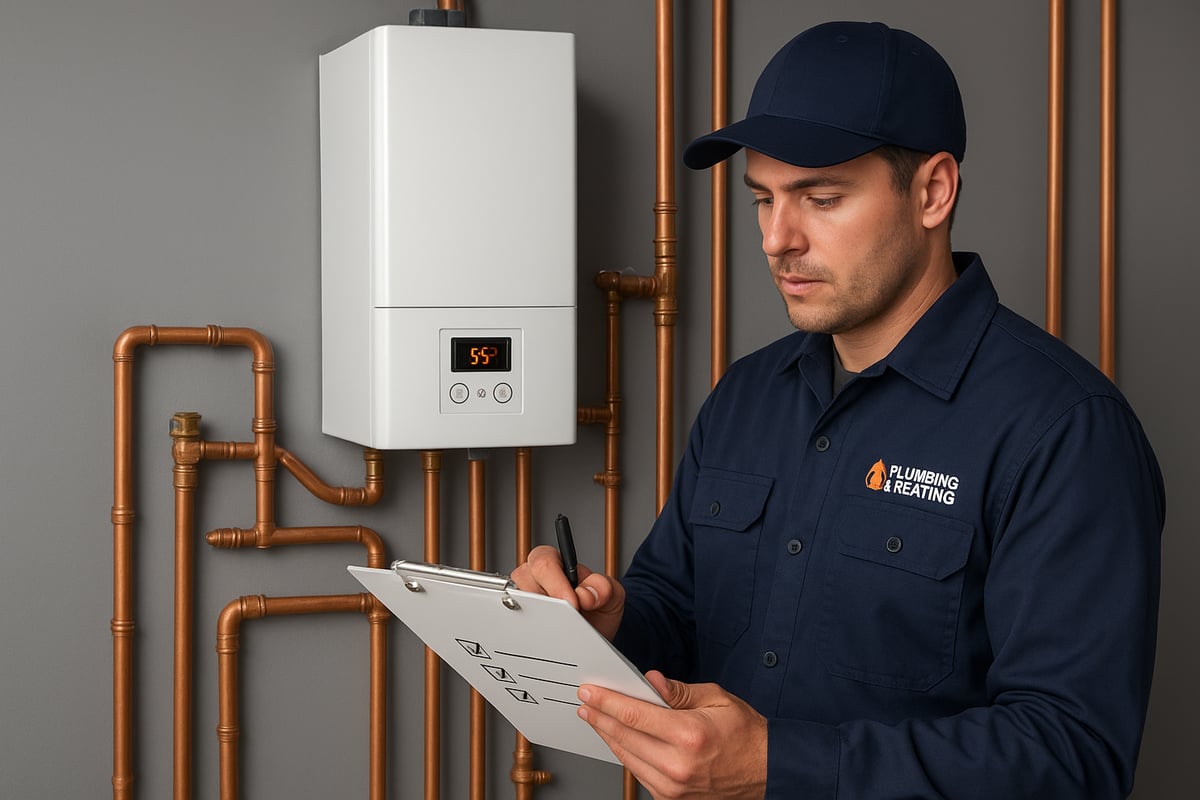
Begin by assessing your property’s size, the number of occupants, and daily hot water usage. The right and plumbing and heating system will depend on these factors, as well as whether your home has multiple bathrooms or unique heating zones. For example, a combi boiler is often ideal for smaller homes with single-bathroom layouts, while system or regular boilers suit properties with higher hot water demands.
Next, consider your existing pipework, insulation, and any plans for future extensions or upgrades. Consulting with a qualified engineer can help identify the most suitable and plumbing and heating configuration for your needs. This assessment ensures you avoid over- or under-specifying your system, which could lead to inefficiency or increased costs.
Comparing Brands and Technologies
When researching and plumbing and heating products, focus on reputable brands known for reliability and efficiency. Leading names in the UK include Worcester Bosch, Vaillant, and Ideal. Compare their offerings based on:
| Brand | Efficiency Rating | Warranty Length | Aftercare Support |
|---|---|---|---|
| Worcester Bosch | Up to 94% | 10 years | Excellent |
| Vaillant | Up to 93% | 7-10 years | Very Good |
| Ideal | Up to 92% | 7-12 years | Good |
Look for features such as A-rated efficiency, smart controls, and extended warranties. Choosing the right and plumbing and heating technology also means considering future compatibility with renewable energy sources and smart home integration.
Selecting Qualified Installers and Engineers
The quality of your and plumbing and heating installation is as important as the products you choose. Always verify that your installer is Gas Safe registered for gas appliances or OFTEC certified for oil systems. Check their credentials, insurance, and reputation through online reviews and local recommendations.
Prepare a list of questions to ask potential contractors:
- Are you fully qualified and insured?
- Can you provide recent customer references?
- What aftercare and maintenance services do you offer?
- Do you handle all and plumbing and heating components, including smart controls?
A reputable engineer will be transparent about costs, timelines, and safety procedures, ensuring your system is installed to the highest standards.
Nu-Heat North East: Local Expertise in Plumbing and Heating
For homeowners in North East England, Nu-Heat North East offers comprehensive and plumbing and heating solutions, including plumbing, heating, biomass, and bathroom installations. Their technicians are highly trained and have served the region since 1983, providing flexible finance options such as up to 0% interest.
Nu-Heat North East is committed to swift, effective service with satisfaction guaranteed. You can explore their Comprehensive plumbing services overview to see the full range of services available. Customer testimonials and recent case studies demonstrate their dedication to quality and local expertise, making them a trusted choice for and plumbing and heating needs.
Maximising Energy Efficiency and Reducing Environmental Impact
Modern and plumbing and heating solutions can transform energy use and sustainability in your home. By upgrading insulation, choosing efficient fixtures, and adopting renewable technologies, you can cut costs and shrink your environmental footprint. Here is how to get the most from your system in 2025.
Insulation and Heat Retention
Insulation is the foundation of energy efficiency for and plumbing and heating systems. Properly insulated lofts, cavity walls, and pipework help keep warmth inside during winter and prevent heat loss. This results in less strain on your boiler or heat pump.
Common insulation methods include:
- Loft insulation rolls or boards
- Cavity wall insulation
- Pipe lagging for exposed pipes
According to the Energy Saving Trust, effective insulation can reduce household energy use by up to 25 percent. Not only does this lower your bills, but it also reduces carbon emissions.
Water Conservation Strategies
Reducing water waste is crucial for efficient and plumbing and heating management. Installing low-flow taps, showers, and dual-flush toilets can dramatically cut water use without sacrificing comfort.
Consider these water-saving upgrades:
- Low-flow showerheads and aerated taps
- Dual-flush toilet cisterns
- Rainwater harvesting systems for gardening
- Greywater recycling for non-potable uses
These measures not only save water, but they also decrease the energy required for heating. Over time, the savings add up for both your wallet and the environment.
Renewable Heating Options
Switching to renewable heating is a key trend in and plumbing and heating for 2025. Heat pumps, solar thermal panels, and biomass boilers are increasingly popular due to their efficiency and reduced environmental impact.
Key renewable technologies:
- Air source and ground source heat pumps
- Solar thermal water heating
- Biomass boilers using wood pellets
Government incentives, such as the Boiler Upgrade Scheme, can make these systems more affordable. For a detailed breakdown of modern heating choices, see Expert heating services explained. Homeowners adopting a hybrid system often see substantial reductions in both emissions and running costs.
Monitoring and Reducing Consumption
Smart technology is revolutionising how we manage and plumbing and heating. Smart meters, programmable thermostats, and zoned heating controls enable real-time tracking and adjustment of energy use.
Best practices include:
- Installing a smart meter for detailed consumption data
- Setting heating schedules to match occupancy
- Using thermostatic radiator valves to create temperature zones
By monitoring usage and optimising settings, households can avoid waste and improve overall efficiency. Small changes, like lowering the thermostat by one degree, can have a noticeable effect.
Eco-friendly Plumbing Materials and Practices
Sustainable materials are gaining ground in the and plumbing and heating industry. Choosing recyclable or low-impact products, such as copper pipes or responsibly sourced plastics, can further reduce your home's environmental footprint.
Comparison table: Copper vs. Plastic Piping
| Feature | Copper | Plastic |
|---|---|---|
| Recyclability | High | Varies |
| Durability | Excellent | Good |
| Environmental Impact | Lower (if recycled) | Higher (if not recycled) |
Opt for suppliers who prioritise sustainable sourcing and reduced packaging. Every step towards eco-friendly choices supports a greener future.
Safety, Compliance, and Best Practices
Ensuring safety and compliance in and plumbing and heating systems is essential for every homeowner and property manager. A proactive approach can protect your household, prevent costly incidents, and guarantee the smooth operation of your home’s vital services.
Key Safety Considerations
Safety in and plumbing and heating starts with regular checks for gas and carbon monoxide leaks. Both can be silent and deadly, so it’s vital to install carbon monoxide alarms in key locations, especially near boilers and gas appliances.
Proper handling of boilers, cylinders, and pressurised systems reduces the risk of accidents. Always ensure ventilation is clear and never block air vents. Remember, safety devices and regular monitoring play critical roles in keeping your and plumbing and heating system operating securely.
Legal Requirements and Certifications
UK law demands strict compliance for and plumbing and heating installations. Only Gas Safe-registered engineers should work on gas appliances, while oil systems require OFTEC certification. Landlords must provide annual safety certificates and keep detailed records of inspections.
Keeping up with regulations not only ensures safety but also protects property owners from legal action. For a closer look at the industry’s professional standards, see the plumbing and heating profession stability report 2025, which highlights the importance of certification and ongoing training within and plumbing and heating.
Emergency Preparedness
Emergencies with and plumbing and heating can happen unexpectedly. Leaks, floods, or boiler breakdowns all require a calm, prepared response. Every household should know where the main water and gas shut-off valves are located and how to use them safely.
Develop a simple emergency plan that includes numbers for certified engineers and a checklist of immediate steps. Quick action can prevent further damage and ensure that and plumbing and heating issues are resolved efficiently.
Best Practice Tips for Homeowners
Maintaining and plumbing and heating systems is straightforward with a few best practices:
- Keep all manuals and maintenance records accessible.
- Schedule annual checks and regular system upgrades.
- Educate everyone in the home about basic controls and emergency procedures.
- Use a homeowner checklist to monitor routine maintenance tasks.
By following these steps, you can extend the lifespan of your and plumbing and heating system, reduce risks, and maintain a comfortable, safe environment.