
Rising energy bills and new regulations are on the horizon for 2025. If you feel uncertain about how these changes will affect your home or business, you are not alone. Many are searching for answers about how to keep comfortable and compliant while managing costs.
This beyond heating guide is your essential resource for navigating the future of home warmth. Here, you will find clear explanations of innovative heating options, guidance on meeting new legal standards, and practical strategies to save money.
We will explore the latest technologies, show you how to plan an upgrade, and explain how smart home features and government schemes can work for you. With expert tips on maintenance, you will be ready to make confident, informed decisions for 2025 and beyond.
The Evolving Heating Landscape in 2025
The year 2025 is a turning point for heating in the UK. As the government introduces stricter policies and energy costs continue to climb, both homeowners and businesses are forced to re-evaluate their heating strategies. The beyond heating landscape is defined by rapid change, innovation, and a clear drive towards sustainability.
Key Trends and Regulatory Changes
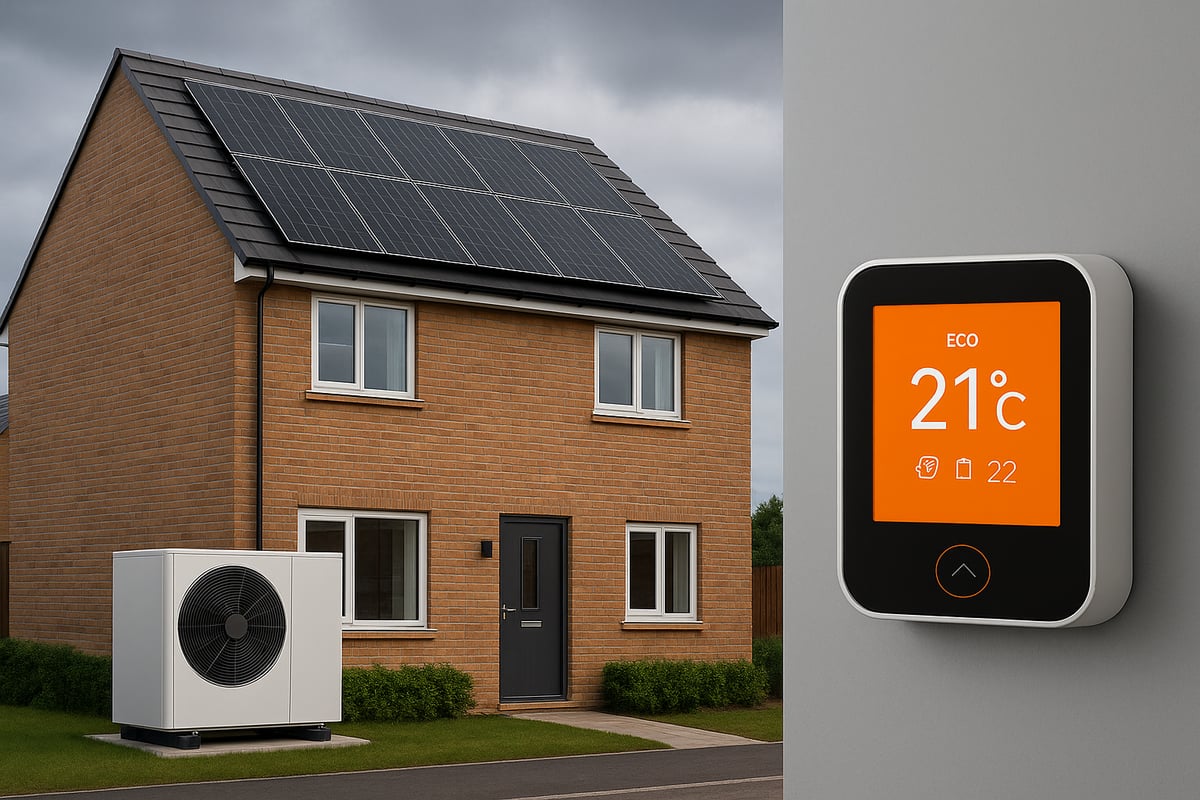
From 2025, the UK enforces new heating regulations that will transform the beyond heating sector. These rules focus on decarbonisation and achieving ambitious net-zero targets. The most significant change is the phasing out of traditional gas boilers in new homes, a move that impacts over 80 percent of UK properties currently reliant on gas.
For homeowners, this shift means exploring alternative technologies and understanding the implications for property values. Compliance is now a major consideration, with recent government incentives encouraging early adoption of low-carbon heating systems. Choosing to act early can help avoid the last-minute rush and potentially higher costs as the deadline approaches.
Below is a summary of key regulatory changes:
| Regulation | Effective Date | Impact |
|---|---|---|
| Gas boiler ban in new builds | 2025 | Only low-carbon systems allowed |
| Clean Heat Market Mechanism | 2025 | Industry required to supply low-carbon solutions |
| Enhanced EPC requirements | 2025 | Higher minimum energy standards |
To fully understand the gas boiler phase-out and what it means for your home, visit the UK Gas Boiler Ban Details page. The beyond heating journey starts with being informed and proactive.
Environmental and Economic Drivers
Rising energy prices and the ongoing cost-of-living crisis are key forces shaping the beyond heating landscape. With energy bills expected to rise by 10 percent in 2025, the financial burden of inefficient systems is set to increase. At the same time, climate change pressures are influencing both policy and personal choices.
Energy-efficient solutions, such as heat pumps and advanced insulation, are becoming more attractive for those looking to future-proof their homes. Real-life case studies show that homes upgrading to modern systems, like air source heat pumps, have managed to reduce their annual heating costs significantly.
It is important to weigh the upfront investment against long-term savings and environmental benefits. The beyond heating approach encourages a balance between immediate costs and the need to create resilient, sustainable homes that will stand the test of time.
Consumer Behaviour and Expectations
The beyond heating revolution is not just about technology and regulation, it is also about people. Homeowners are placing greater emphasis on sustainability, ease of use, and digital integration. Recent surveys indicate that 60 percent of UK homeowners now consider eco-friendliness their top priority when choosing heating solutions.
There has been a marked increase in the adoption of smart thermostats and remote system management. This surge reflects a broader shift towards convenience and control, allowing users to fine-tune their comfort and energy usage from anywhere.
To remain competitive and comfortable, adapting to these evolving expectations is essential. The beyond heating market is driven by demand for systems that deliver both efficiency and a superior living experience, ensuring homes remain desirable and valuable in 2025 and beyond.
Exploring Modern Heating Solutions
Choosing the right heating technology in 2025 is not just about warmth, but about future-proofing your property for comfort, compliance, and cost savings. The beyond heating landscape is rapidly evolving, offering a range of advanced solutions to suit every home and business.
Heat Pumps: Air Source, Ground Source, and Hybrid
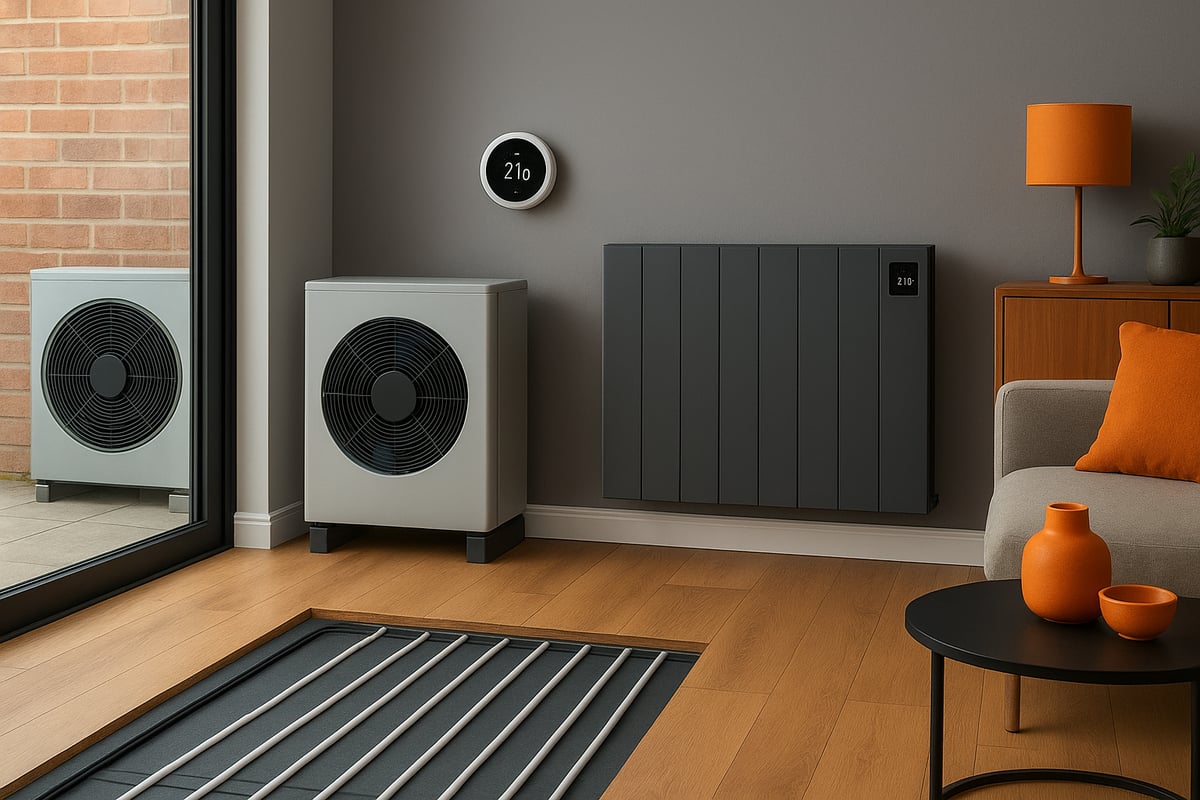
Heat pumps are at the heart of the beyond heating revolution. These systems extract heat from the air or ground and transfer it indoors, using electricity efficiently to provide both heating and hot water.
There are two main types:
- Air Source Heat Pumps (ASHP): Capture ambient air heat, suitable for most UK homes.
- Ground Source Heat Pumps (GSHP): Extract heat from the ground, ideal for properties with outdoor space.
- Hybrid Systems: Combine heat pumps with traditional boilers for flexibility in older or poorly insulated homes.
| Type | Efficiency (COP) | Typical Installation | Best for |
|---|---|---|---|
| ASHP | 3.0–4.0 | External wall/garden | Urban, retrofits, small plots |
| GSHP | 3.5–5.0 | Garden/land | Rural, new builds, large plots |
| Hybrid | 3.0–4.0 | Varies | Older homes, high demand |
In 2024, air source heat pump installations rose by 30 percent, reflecting growing confidence in these systems. Retrofitting is increasingly common, with hybrid options easing the transition to beyond heating for those not ready to go fully electric.
The pros include lower running costs and reduced emissions, while challenges can be installation complexity and upfront expense. For homeowners aiming to meet 2025 standards, early adoption of beyond heating technology can secure both compliance and long-term savings.
Hydrogen-Ready and Alternative Boilers
Hydrogen-ready boilers are gaining attention as a potential bridge in the beyond heating journey. These boilers operate on natural gas but can be converted to run on hydrogen if the UK’s gas grid transitions in the future.
The government supports pilot hydrogen projects, particularly in select UK towns. This approach addresses infrastructure challenges while keeping homes future-ready. However, widespread hydrogen supply is still years away, and property owners should weigh the benefits against the uncertainties.
Pros of hydrogen-ready boilers include familiar installation processes and minimal lifestyle change. Cons relate to fuel availability and the need for eventual system upgrades. For many, hydrogen-ready solutions represent a pragmatic step within the broader beyond heating movement.
Infrared and Electric Heating Innovations
Infrared and advanced electric heating systems are transforming the beyond heating marketplace. Infrared panels deliver targeted warmth, heating people and objects directly, not just the air. Modern electric radiators offer smart controls and quick response times, making them effective for well-insulated or off-grid properties.
Running costs for these systems can be competitive, especially with renewable tariffs. In new-build homes, electric heating is increasingly popular due to lower emissions and easy integration with solar PV.
Electric options provide a low-maintenance path to beyond heating, though they may not suit larger, older homes without efficiency upgrades. Still, the simplicity and adaptability make these innovations a compelling choice for many.
Smart Heating Controls and Integration
Smart controls are now essential in the beyond heating environment. Features like zoning, learning algorithms, and app-based management allow precise control over comfort and energy use.
Data shows that 70 percent of new heating systems include smart controls, reflecting their popularity. Integration with platforms such as Amazon Alexa or Google Home enables automation, scheduling, and voice control.
Smart thermostats can adapt to your routine, helping you maximise comfort and savings. For anyone embracing beyond heating, smart integration is a practical upgrade.
Underfloor Heating and Comfort Systems
Underfloor heating delivers luxurious comfort and efficient warmth, making it a favourite in both new builds and renovations. There are two main types:
- Wet systems: Use pipes under the floor, ideal for large areas and new homes.
- Electric systems: Easier to install in retrofits or small spaces.
Underfloor heating offers even heat distribution and frees up wall space, supporting the beyond heating ethos of modern living. For a deep dive into system components and best practices, see this underfloor heating components explained guide.
The popularity of underfloor systems is rising, particularly as part of integrated beyond heating solutions. Proper planning ensures efficient installation and lasting comfort.
Planning Your Heating Upgrade: Step-by-Step Guide
Upgrading your home’s heating system is a significant decision, especially as we approach 2025 and the landscape shifts rapidly. The beyond heating journey requires careful planning, balancing current needs, future regulations, and financial considerations. This guide walks you through each step, helping you make informed choices that align with new standards and maximise comfort.

Assessing Your Current System and Needs
Before making any upgrades, start by evaluating your existing heating system. Consider its age, efficiency, and whether it meets your household’s current and future requirements. Most boilers last between 10 and 15 years, so if yours is approaching this range, it might be time to move beyond heating repairs and look at replacement.
Use a checklist to guide your assessment:
- Is your boiler or system over a decade old?
- Are your energy bills increasing despite similar usage?
- Does your system struggle to heat all rooms evenly?
- Are repair costs mounting year after year?
If you answer yes to several of these, it may be more economical to invest in a new system. For some, a simple repair can extend the lifespan, but for others, a full upgrade is the smarter route. This early assessment is a cornerstone of the beyond heating approach, ensuring your next steps are tailored to your property’s needs.
Setting a Budget and Exploring Funding Options
The next phase in your beyond heating plan is establishing a clear budget. Costs vary depending on the system you choose, the size of your property, and installation complexity. For many, government grants and incentives can significantly offset upfront expenses. For example, the Boiler Upgrade Scheme and ECO4 can provide up to £7,500 towards heat pumps, making advanced systems more accessible.
To maximise your investment, research all funding streams, including local council support and national schemes. For an in-depth overview of the upgrade process, the Heating system upgrade guide offers valuable insights and practical advice.
When planning, factor in not only the purchase and installation but also ongoing maintenance and running costs. The beyond heating strategy means looking at total lifetime value, not just initial outlay.
Choosing the Right Heating Solution for Your Home
Selecting the best system involves more than just cost. Property type, insulation levels, hot water demand, and usage patterns all play a role. For example, a compact flat might benefit from a modern electric or infrared system, while a detached house with good insulation could be ideal for a heat pump or hybrid setup.
Compare options using a tailored checklist:
- What is the property’s insulation rating?
- Do you require on-demand hot water?
- Are you planning future renovations?
- Is the property off the gas grid?
By aligning the solution with your home’s unique profile, you future-proof your investment and ensure the beyond heating upgrade delivers maximum efficiency and comfort.
Finding Accredited Installers and Ensuring Compliance
When implementing a beyond heating upgrade, working with accredited professionals is critical. Look for Gas Safe engineers for gas-based systems and MCS-certified installers for renewables. Checking credentials, reading customer reviews, and using trusted trader schemes can help you select the right partner.
Accredited installers not only ensure safety and compliance but also help you navigate regulatory requirements. The beyond heating approach values expertise and peace of mind, so never compromise on qualifications or experience.
Timeline and Project Management
Careful planning helps minimise disruption during your upgrade. Typically, the process includes initial assessment, system selection, installer booking, and commissioning. A clear timeline keeps the project on track and ensures a smooth transition.
Consider these steps:
- Week 1: Assess current system and needs.
- Week 2: Set budget and research funding options.
- Week 3–4: Choose solution and secure installer.
- Week 5–6: Installation and commissioning.
By following a structured plan, your beyond heating journey becomes manageable, efficient, and stress-free.
Smart Homes and Heating: The Connected Future
The way we heat our homes is evolving rapidly. In 2025, the intersection of smart technology and efficient heating is shaping what truly sets a property apart. For those looking to move beyond heating as a simple necessity, embracing the connected future can unlock greater comfort, control, and value.
Integrating Heating with Smart Home Platforms
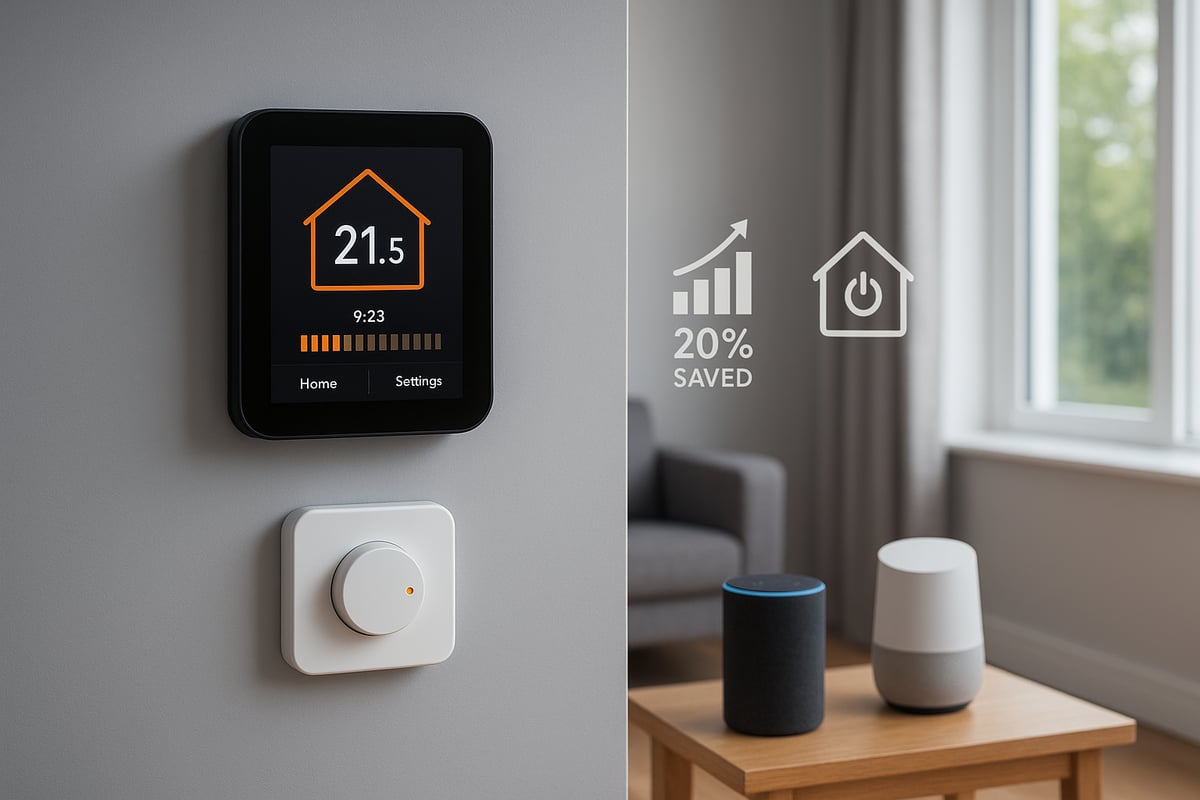
Today’s smart home platforms make it easier than ever to manage comfort. Systems like Amazon Alexa, Google Home, and Apple HomeKit allow users to control heating from anywhere, using voice commands or mobile apps.
Setting up routines is simple. For example, you can schedule your heating to lower when you leave for work and automatically warm up before you return. This level of automation not only saves energy but also fits seamlessly into your daily routine.
Many new heating systems are designed with compatibility in mind. Over 70% of recent installations include smart controls, enabling zoning, learning your preferences, and providing remote support. For anyone exploring beyond heating basics, integrating with these platforms can deliver both immediate convenience and long-term savings.
- Voice control via Alexa, Google Assistant, or Siri
- App-based scheduling and temperature adjustment
- Zoning for different rooms or floors
- Integration with lighting and security systems
Choosing the right platform ensures your system remains flexible as technology advances, keeping your home ahead of the curve.
Data, Security, and Privacy Considerations
Smart heating systems collect data to optimise performance and tailor comfort. They track temperature patterns, usage times, and even detect when windows are open. While this data powers efficiency, it is essential to manage privacy and security.
Safeguarding your smart devices starts with strong passwords and regular software updates. Always connect devices to a secure home network, and review the manufacturer’s privacy settings. For those serious about moving beyond heating, taking these precautions helps protect both your data and your comfort.
Common vulnerabilities, such as outdated firmware or weak Wi-Fi security, can expose your system. Being proactive with security checks ensures peace of mind. If in doubt, consult an accredited installer or IT professional to audit your setup.
- Use unique, strong passwords for each device
- Enable two-factor authentication if available
- Regularly update firmware and apps
- Limit device permissions to essential functions
By prioritising security, you keep your connected home both smart and safe.
Future-Proofing Your Home
As heating technology evolves, future-proofing your system is vital. Modular designs and regular firmware updates allow your home to adapt without costly overhauls. Choosing solutions that support new integrations ensures your investment stands the test of time.
For example, systems designed with the Future Homes Standard 2025 Overview in mind are more likely to remain compliant with upcoming regulations and support eco-friendly features. This approach goes beyond heating upgrades, positioning your property for increased value and sustainability.
Consider these strategies:
- Select modular or open-source platforms for easy upgrades
- Opt for products with a strong track record of software support
- Schedule annual reviews to assess compatibility with new tech
Investing in flexibility means your home can embrace innovations as they arrive. By thinking beyond heating, you secure both comfort and efficiency for years to come.
Maintenance, Repairs, and Longevity
Keeping your heating system in peak condition is crucial for comfort and savings, especially as we move into the beyond heating era. Regular upkeep ensures your investment is protected, delivers reliable warmth, and supports your home's efficiency goals.
Annual Servicing and Maintenance Essentials
Annual servicing is the backbone of any beyond heating maintenance plan. Regular checks by a qualified engineer help identify small issues before they become major faults. During a typical visit, expect a full inspection of the boiler, radiators, valves, and controls.
Routine servicing not only maintains efficiency but also ensures safety. Data shows that annual maintenance can extend the life of your system by up to 20 percent. Common issues such as leaks, pressure drops, or worn components are often detected early, saving costs in the long run.
A well-maintained system is less likely to break down during winter. Scheduling your annual service before the cold season gives you peace of mind, knowing your beyond heating system is ready for peak performance.
Troubleshooting and Common Problems
Even with careful maintenance, minor problems can occur. Knowing how to troubleshoot these can keep your beyond heating system running smoothly. Typical issues include cold radiators, unusual noises, and loss of pressure.
Some faults, such as air trapped in radiators, can be resolved by bleeding them. Resetting smart controls or checking thermostat batteries are also simple fixes. However, for persistent problems or unfamiliar noises, it is safer to call a professional.
Use this quick checklist:
- Bleed radiators if cold at the top
- Check system pressure regularly
- Reset controls after power cuts
Timely troubleshooting helps prevent small issues from escalating and keeps your beyond heating set-up reliable.
Maximising System Lifespan
To get the most from your beyond heating investment, focus on daily care and system optimisation. One key factor is water quality. Poor water quality can lead to corrosion, sludge, and reduced efficiency. Regular power flushing and the use of inhibitors help maintain clean pipes and radiators. For more insight, see the Central heating system flush benefits.
Monitoring your system’s performance and scheduling periodic checks can add years to its service life. For further tips on the impact of water quality, refer to the Water quality in heating systems guide.
Prioritising these steps means your beyond heating solution will deliver maximum comfort, efficiency, and value well into the future.
Emergency Repairs and Support
Despite the best care, emergencies can happen. If your beyond heating system fails, act quickly. Many service providers offer 24/7 support and emergency call-outs, ensuring rapid response in critical situations.
If you are vulnerable or have specific needs, ask about priority services. Keep contact details for trusted engineers handy and know the basic steps to stay safe while waiting for help.
Prompt action during breakdowns safeguards your home and ensures your beyond heating investment continues to serve you reliably.
Government Schemes, Incentives, and Compliance for 2025
Rising to meet the challenges of 2025, the UK government is offering a host of schemes and incentives designed to support the transition to smarter, cleaner heating. Whether you are upgrading your home or managing a rental property, understanding these opportunities is crucial for making informed decisions that go beyond heating basics.
Overview of Available Grants and Support
Multiple government initiatives are available in 2025 to help homeowners and landlords move beyond heating solutions of the past. The Boiler Upgrade Scheme remains a flagship programme, offering grants of up to £7,500 for eligible heat pump installations. ECO4 provides support for energy efficiency improvements, especially for low-income households or those in fuel poverty.
Eligibility criteria vary, but typically require the property to have an EPC rating below a certain threshold and for applicants to use accredited installers. Local councils may also offer supplementary grants or advice. For example, a family in Manchester recently benefited from both the Boiler Upgrade Scheme and a council top-up, drastically reducing upfront costs and monthly bills.
By taking advantage of these schemes, you can future-proof your property and ease the financial transition to beyond heating technologies.
Meeting Legal and Environmental Obligations
With stricter building regulations and environmental targets coming into force, compliance is now a central part of any heating upgrade. All new installations must meet updated EPC standards, and landlords face additional requirements for energy performance in rental properties.
Non-compliance can result in significant fines, especially as authorities increase inspections in 2025. Preparing for these changes means ensuring all paperwork is in order and using certified professionals for installation and documentation. The Clean Heat Market Mechanism Regulations are a key piece of legislation shaping this landscape, affecting both manufacturers and property owners.
Staying ahead of these rules not only avoids penalties but also adds value to your property, helping you remain competitive in a market that is rapidly moving beyond heating systems of the past.
Navigating the Application Process
Applying for grants and support can seem daunting, but a step-by-step approach makes it manageable. First, assess your current system and gather necessary documentation, such as your EPC and proof of ownership. Next, compare schemes to find the best fit for your needs, then contact accredited installers for quotes.
Once you have selected your solution, submit your application with all required evidence. Many applicants are declined due to missing paperwork or using non-accredited installers, so double-check all details. A successful application can make upgrading to beyond heating both affordable and straightforward.
Patience and organisation are key, as approval times can vary. Regularly check for updates from scheme providers to ensure you do not miss out on new rounds of funding.
Resources for Ongoing Compliance
For ongoing support and updates on regulations, consult official government websites and local authority helplines. Landlords and tenants in the rental sector should review the Improving Energy Performance in Rented Homes consultation for tailored advice.
Keeping informed helps you stay compliant and maximise the benefits of your beyond heating investment. Reliable sources ensure you are always prepared for inspections, grant renewals, and any changes to the law.