
Rising energy costs and rapid advances in home heating technology mean that the quality of water in heating system setups is about to become a top priority for every UK homeowner in 2025.
This guide offers essential insights into how water in heating system operations impacts efficiency, system health, and compliance with upcoming regulations. By understanding these factors, you can safeguard comfort and cut unnecessary costs.
You will discover the basics of system design, the effects of water quality, maintenance essentials, the latest technologies, troubleshooting tips, and future trends. With expert guidance, you can make informed decisions that protect both your comfort and your wallet.
Understanding Water’s Role in Heating Systems
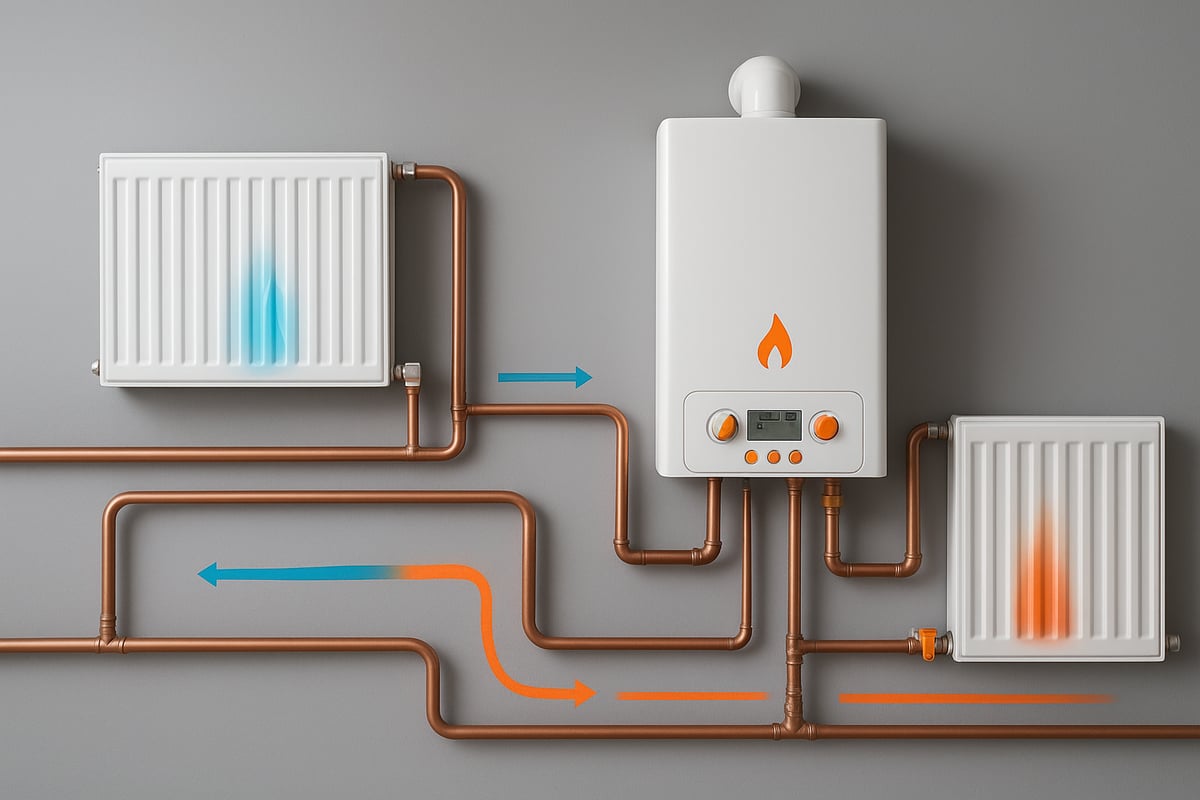
Water in heating system design is fundamental to both traditional and modern heating solutions. At its core, water acts as the medium that carries thermal energy from the heat source to radiators or underfloor loops. Its high specific heat capacity makes it far more efficient than air or oil in transferring and retaining warmth, which is why most UK homes rely on water-based systems. For those wanting a deeper dive into the principles and movement of water in heating system setups, see Understanding heating system basics. Whether you have radiators or underfloor heating, water ensures consistent, controllable comfort.
The Science Behind Water-Based Heating
Water in heating system technology outperforms air and oil due to its superior thermal properties. Water absorbs and releases heat efficiently, allowing quick response times and balanced temperatures throughout a property. In practice, this means radiators and underfloor heating systems can deliver steady, even warmth with minimal energy waste. Air, by contrast, holds less heat and requires larger volumes to achieve similar results, while oil is heavier, slower to circulate, and less environmentally friendly. By using water in heating system circuits, homeowners benefit from both energy efficiency and reliable comfort in everyday use.
Types of Water Used in Heating Systems
There are several types of water in heating system applications: mains water, treated water, and deionised water. Each has distinct pros and cons, particularly when considering the UK's regional water quality variations.
| Type | Advantages | Disadvantages |
|---|---|---|
| Mains Water | Readily available, low cost | May contain minerals causing scale |
| Treated Water | Reduced contaminants, less scaling | Requires regular treatment |
| Deionised Water | Minimises corrosion and deposits | Higher cost, not always accessible |
In hard water regions, additional treatment is often essential to prevent scaling and protect the longevity of the water in heating system. Soft water areas face fewer issues, but regular checks remain vital for optimal performance.
Impact of Water Quality on System Performance
Water in heating system reliability is closely tied to water quality. Hard water, rich in calcium and magnesium, leads to scaling inside pipes and heat exchangers. Soft water, while gentler on components, can still introduce corrosion if oxygen or other contaminants are present. Common issues include:
- Limescale build-up
- Sludge formation
- Oxygen ingress
According to the British Heating & Plumbing Association, up to 87% of heating system breakdowns relate to poor water quality. Regular monitoring and proactive management of water in heating system setups can significantly reduce these risks, ensuring smoother operation and fewer costly repairs.
Legal and Regulatory Considerations for 2025
By 2025, UK and EU regulations will elevate standards for water in heating system installations. Anticipated changes include stricter water quality requirements for both new builds and retrofits, with Building Regulations Part L set to be updated. Homeowners and installers must ensure compliance with these measures, such as using approved treatments and maintaining documented water quality checks. For example, new systems may require evidence of water conditioning and protection against corrosion before sign-off. Staying ahead of these regulations will not only ensure legal compliance but also enhance the efficiency and reliability of water in heating system infrastructure.
Environmental and Cost Implications
Effective management of water in heating system performance directly impacts both environmental and financial outcomes. Poor water quality increases energy consumption, as scale and sludge force boilers and pumps to work harder. This inefficiency contributes to a higher carbon footprint and accelerates wear on critical components. The Energy Saving Trust reports that well-maintained heating systems can reduce household energy bills by up to 15%. Prioritising water quality safeguards not only your comfort but also the sustainability and affordability of your heating solution.
Step-by-Step Guide: Maintaining Water Quality in Your Heating System
Maintaining excellent water in heating system performance is crucial for efficiency, reliability, and cost savings. Following a clear maintenance routine can help prevent breakdowns, extend system life, and ensure optimal comfort.
Step 1: Initial System Assessment
Begin by evaluating the condition of the water in heating system components. Look for cold spots on radiators, unusual noises, or discoloured water when bleeding. These are early signs of water quality issues.
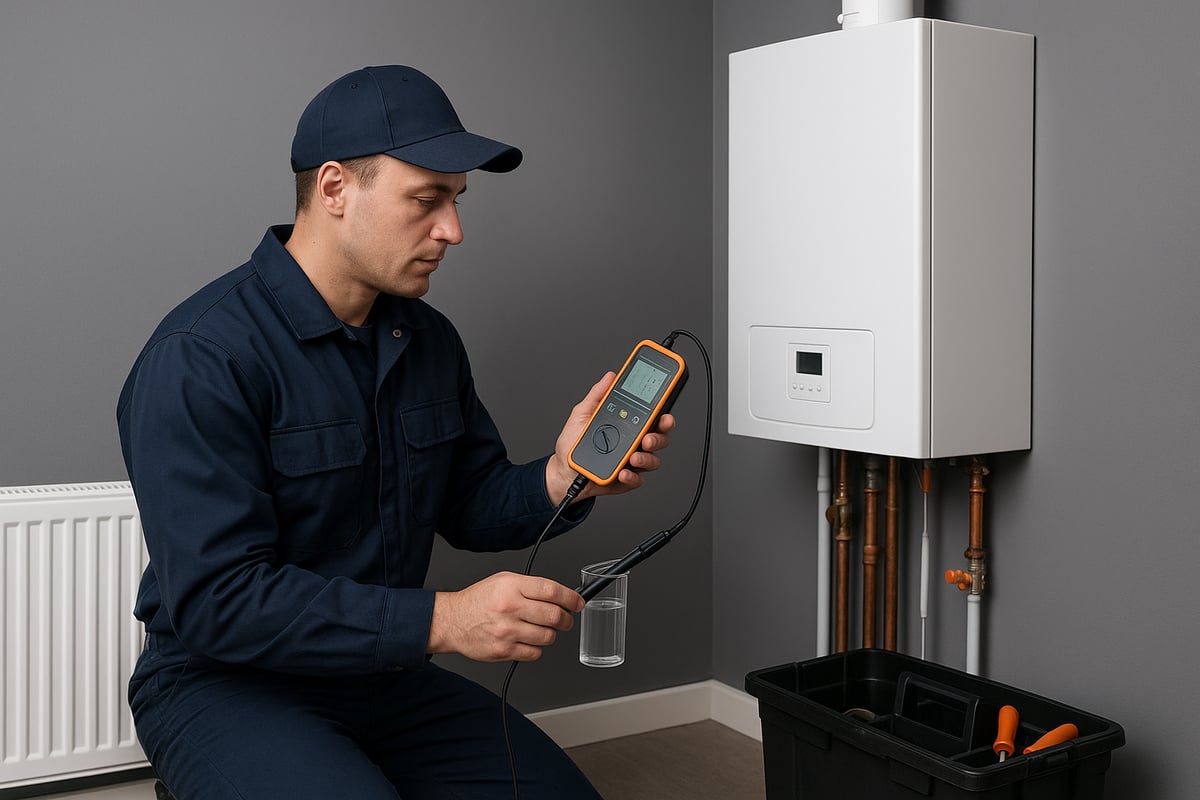
A professional inspection provides a thorough assessment, identifying hidden problems such as internal corrosion or early sludge formation. Technicians use specialised tools to test pH, hardness, and clarity, ensuring nothing is overlooked.
Regular checks help you catch minor issues before they escalate, safeguarding the water in heating system from costly damage and inefficiency.
Step 2: Draining and Flushing the System
To restore water in heating system quality, draining and flushing are essential. Begin by safely shutting off the boiler and allowing the system to cool. Attach a hose to the drain valve, open bleed valves, and let water exit until clear.
Two main methods exist:
- Power flushing: Uses high-velocity water and cleaning chemicals for deep cleaning.
- Manual flushing: Simpler, but less thorough, suitable for minor build-up.
Efficiency often improves dramatically after flushing, with radiators heating evenly and noise diminishing. For a detailed guide on effective flushing, see How to flush a heating system.
Step 3: Adding Inhibitors and Treatments
After flushing, it is vital to protect the water in heating system by adding chemical inhibitors. These treatments prevent corrosion and limescale, keeping pipes and radiators in top condition.
Select products designed for your system type, and always follow manufacturer dosage guidelines. Overdosing or using incompatible chemicals can damage components or reduce efficiency.
A table of common inhibitor types:
| Inhibitor Type | Purpose | Risk of Overuse |
|---|---|---|
| Corrosion inhibitor | Prevents rust | Sludge formation |
| Scale reducer | Stops limescale | Blockages |
| Biocide | Kills bacteria | Unpleasant odours |
This step ensures the water in heating system remains balanced and free from harmful deposits.
Step 4: Refilling with Treated Water
When refilling, prioritise the quality of water in heating system circuits. Use deionised or softened water to reduce mineral content and prevent future limescale.
Refill slowly, keeping an eye on pressure gauges and venting air from high points. This approach helps to avoid airlocks, which can cause circulation problems and cold radiators.
Careful refilling ensures the water in heating system is clean and supports long-term performance, reducing the risk of blockages and corrosion.
Step 5: Bleeding Radiators and System Balancing
Trapped air in the water in heating system often leads to cold spots and uneven heating. Bleeding radiators removes this air, restoring proper flow.
Follow these steps:
- Turn off the heating.
- Use a radiator key to open bleed valves.
- Catch any escaping water with a cloth.
- Close the valve when water flows steadily.
Balancing radiators involves adjusting valves to ensure even heat output throughout the property. This fine-tuning can reduce energy use and improve comfort, making the water in heating system work at its best.
Step 6: Ongoing Monitoring and Maintenance
Keep the water in heating system healthy with annual water quality tests and regular professional servicing. Watch for early warning signs like pressure drops, noisy pipes, or cloudy water.
Most experts recommend servicing by a Gas Safe registered engineer every year. This proactive approach helps prevent unexpected breakdowns and maintains compliance with regulations.
Consistent care ensures the water in heating system remains efficient, prolonging the life of your heating equipment and reducing running costs.
Common Problems Caused by Poor Water in Heating Systems
When it comes to water in heating system performance, poor water quality can lead to a host of problems that reduce comfort, raise energy bills, and shorten equipment lifespan. Understanding these issues is the first step to preventing costly repairs and inefficiencies.
Corrosion and Rusting
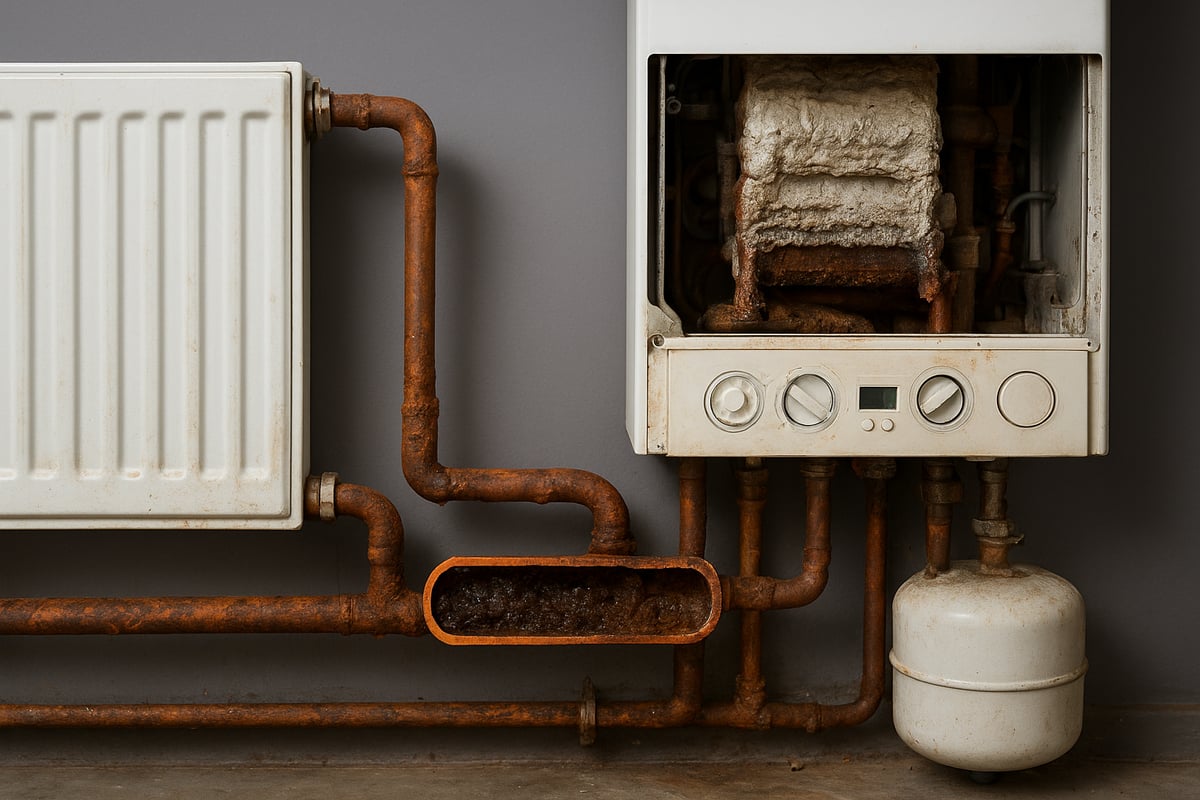
Corrosion is one of the most common problems caused by poor water in heating system environments. When oxygen and minerals are present, they react with metal components, leading to rust and gradual system degradation.
You might notice brown or discoloured water when bleeding radiators, or even visible rust around pipe joints and valves. These are warning signs that corrosion is present. Over time, corrosion can cause leaks, weaken radiators, and damage the boiler. If left unchecked, this process can result in expensive repairs or even complete system failure.
Sludge and Blockages
Sludge forms when iron oxides, dirt, and other particles combine in the water in heating system pipework. This sludge, often referred to as magnetite, settles in radiators and can cause cold spots or reduced heat output.
More than 60% of UK heating systems have some level of sludge. This build-up restricts water flow, puts extra strain on pumps, and can eventually block pipes entirely. If you notice radiators taking longer to heat up or parts of your system feeling cold, sludge is a likely culprit. For severe cases, professional flushing is recommended, as outlined in central heating system flush services.
Limescale Build-Up
Hard water in heating system areas leads to limescale deposits, particularly on heat exchangers and inside boilers. Limescale acts as an insulating layer, preventing efficient heat transfer and forcing your boiler to work harder.
Just 1mm of limescale can reduce boiler efficiency by up to 12%. This not only increases your energy bills but also raises the risk of overheating and component failure. If you live in a hard water region, regular descaling and water treatment are essential to prevent limescale build-up and maintain peak performance.
Airlocks and Pressure Loss
Trapped air is another issue linked to poor water in heating system care. Airlocks occur when air bubbles block the normal flow of water, disrupting circulation throughout the system.
Symptoms of airlocks include gurgling noises, cold radiators, and sudden drops in system pressure. These problems not only reduce heating efficiency but can also damage pumps and valves over time. Regular bleeding of radiators is key to avoiding airlocks and ensuring even heat distribution.
Reduced System Lifespan and Efficiency
When water in heating system problems are ignored, the effects accumulate. Corrosion, sludge, limescale, and airlocks work together to reduce system efficiency and increase wear on components.
This means more frequent repairs, higher operating costs, and a shorter overall lifespan for your heating system. Investing in regular maintenance and water quality management is the best way to protect both your comfort and your wallet.
Innovations and Technologies for Water Management in 2025
Advancements in technology are rapidly transforming how we manage water in heating system applications. In 2025, intelligent solutions and eco-friendly innovations will help homeowners and professionals enhance efficiency, reduce costs, and meet new regulatory standards.
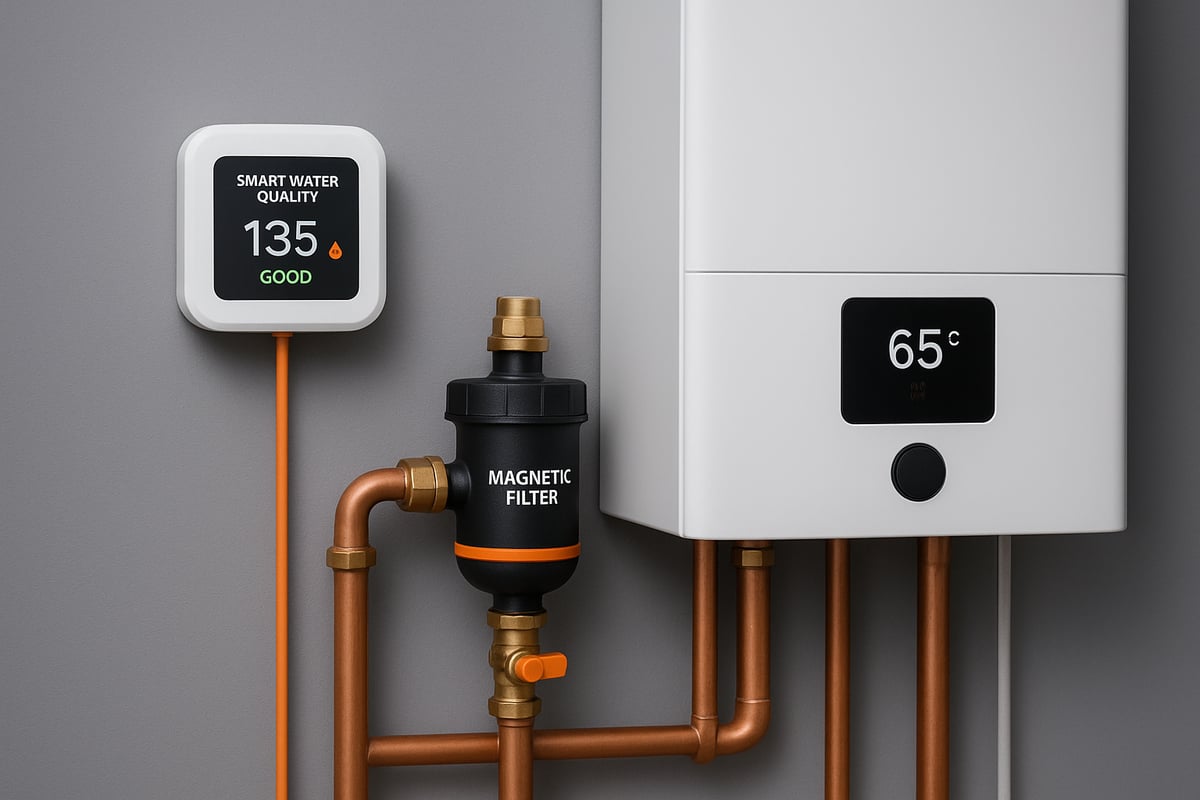
Smart Water Quality Sensors
Smart sensors are revolutionising water in heating system performance by enabling real-time monitoring of key water parameters. These devices track temperature, pH, and conductivity, alerting users to any anomalies via smartphone apps or central control panels.
Integration with smart home systems allows for immediate adjustments and predictive maintenance. This reduces the risk of breakdowns, optimises performance, and provides peace of mind. With these sensors, issues such as corrosion or scaling can be detected before they become costly problems.
Magnetic and Electrolytic Filters
Modern magnetic and electrolytic filters play a crucial role in protecting water in heating system circuits from sludge and scale. Magnetic filters capture magnetite and rust particles, preventing them from clogging pumps and radiators.
Electrolytic filters help reduce limescale build-up, especially in hard water areas. Both technologies are now more compact, efficient, and easier to maintain than traditional filters. The result is a cleaner system, improved heat transfer, and lower energy consumption.
Automated Dosing Systems
Automated dosing systems ensure optimal chemical protection for water in heating system components. These systems use sensors to assess water quality and dispense the exact amount of inhibitor or biocide required.
Remote monitoring capabilities allow for adjustments without manual intervention. Homeowners and engineers benefit from consistent protection against corrosion and scaling, reducing maintenance needs and extending equipment lifespan.
Sustainable Water Treatment Solutions
Sustainability is now a key focus for water in heating system management. Eco-friendly inhibitors and biocides have been developed to minimise environmental impact while still delivering effective protection.
These products comply with stricter green regulations and reduce the carbon footprint associated with heating. Choosing sustainable solutions also helps futureproof systems against upcoming standards and supports broader environmental goals.
Case Study: Upgrading to a Modern Water Management System
In 2025, a residential property in Manchester upgraded its water in heating system with smart sensors, magnetic filters, and automated dosing. Within six months, heat output rose by 18 percent, and annual energy bills dropped by over £200.
Reliability improved, with no unplanned engineer visits, and water quality remained consistently within optimal parameters. This case highlights the measurable benefits of modern technologies for homeowners.
Professional Installation and Servicing
Proper installation and regular servicing of water in heating system technologies are essential for long-term success. Certified engineers have the expertise to specify, fit, and maintain advanced sensors, filters, and treatment solutions.
Typical costs are offset by energy savings and reduced repair bills. For more on best practices, see Maintaining Efficient Heating Systems, which offers guidance on keeping systems compliant and efficient.
Troubleshooting and Fixing Water-Related Heating System Issues
Water in heating system problems can cause discomfort, inefficiency, or even costly breakdowns. Understanding how to identify, address, and prevent these issues will keep your home warm and your energy bills under control.
Diagnosing Water Quality Issues
Diagnosing water in heating system problems starts with observation. Look for visual signs such as cloudy or discoloured water when bleeding radiators. Listen for unusual noises, like banging or gurgling, which often indicate trapped air or sludge.
Performance issues, such as cold spots on radiators or slow heating, are also common indicators of poor water in heating system quality. Using a simple water test kit helps you measure pH, hardness, and the presence of contaminants. Early detection is vital to prevent long-term damage and maintain system efficiency.
DIY Fixes vs. Professional Help
When facing water in heating system concerns, some fixes are suitable for confident homeowners. Bleeding radiators, topping up system pressure, or using a test kit are safe DIY tasks. Always follow the manufacturer's instructions for your specific system.
However, more complex water in heating system issues, such as persistent pressure loss, severe sludge, or repeated airlocks, require professional expertise. Gas Safe and heating engineers have the correct tools and knowledge to diagnose and resolve problems without risking further damage or invalidating warranties.
Step-by-Step: Clearing Sludge and Blockages
Sludge and debris can severely impact water in heating system circulation, especially in older or neglected setups. Start by switching off the system and allowing it to cool. Use a radiator key to bleed radiators and release trapped air.
A magnetic filter can help capture sludge, while a professional power flush removes stubborn build-up. For underfloor heating, water quality is even more critical, as blockages can reduce efficiency dramatically. For more details on this, see Underfloor heating and water quality. Always dispose of waste water responsibly and follow safety guidelines.
Resolving Airlocks and Pressure Problems
Trapped air in water in heating system pipework causes gurgling noises, cold radiators, and pressure drops. Bleeding each radiator, starting from the lowest point, helps release air. Use a cloth to catch any drips and turn the bleed valve slowly.
After removing air, check the system pressure at the boiler. If it is low, repressurise following your manufacturer's instructions. Persistent airlocks or rapid pressure loss may signal leaks or deeper water in heating system issues, which need a professional assessment.
Preventing Future Problems
Regular maintenance is the best way to avoid recurring water in heating system faults. Schedule annual servicing by a qualified engineer and check for early warning signs, such as noise or uneven heating.
Install filters and use chemical inhibitors to protect against corrosion and sludge. Keep a maintenance log and follow a routine schedule for bleeding radiators and checking pressure. Proactive care ensures your water in heating system remains reliable and efficient, extending its lifespan and saving money.
Preparing for the Future: Trends and Regulations in Heating System Water Management
The landscape for water in heating system management is shifting rapidly as 2025 approaches. With new regulations, technological advancements, and changing consumer needs, it is vital to stay informed and prepared. Let us explore the essential trends, rules, and best practices you should know to future-proof your heating system.
Anticipated Regulatory Changes for 2025
The regulatory landscape for water in heating system management is evolving to meet stricter efficiency and environmental standards. In 2025, the UK will implement updates to Building Regulations and the Future Homes Standard 2025 Overview, setting ambitious targets for new and existing homes.
Key changes include:
- Stricter limits on emissions and system efficiency
- Mandatory water quality controls for all new installations
- Enhanced documentation for system commissioning
Compliance will not just be a box-ticking exercise. It will be essential for warranties, insurance, and property resale. Homeowners and landlords should review upcoming standards to ensure all aspects of water in heating system operation meet legal requirements.
The Rise of Low-Temperature Heating and Water Quality
As low-temperature systems such as heat pumps become the norm, water in heating system quality will matter more than ever. These systems operate at lower flow temperatures, making them more sensitive to contaminants, air ingress, and sludge.
To maintain efficiency:
- Use only approved water treatments and inhibitors
- Monitor for signs of fouling or blockages
- Ensure regular water quality testing
Low-temperature systems demand a proactive approach to water in heating system care, as even minor issues can lead to significant performance drops.
Integration with Renewable Energy Systems
The shift towards renewable heating—solar thermal, biomass, and hybrid systems—brings unique water in heating system challenges. Each technology has specific requirements for water chemistry, corrosion protection, and scaling prevention.
For example:
- Solar thermal systems need antifreeze additives
- Biomass boilers require regular desludging
- Hybrid setups must balance different water circuit needs
Correct water in heating system management will ensure these advanced technologies operate reliably and efficiently, reducing the risk of premature breakdowns.
Data-Driven Maintenance and Predictive Analytics
The future of water in heating system maintenance is data-driven. Smart sensors now monitor water quality in real time, detecting changes in pH, conductivity, and contamination levels. By integrating with IoT platforms, these systems provide alerts and actionable insights.
Key benefits include:
- Early detection of water in heating system issues
- Automated scheduling for maintenance visits
- Reduced downtime and lower repair costs
Predictive analytics will allow homeowners to address problems before they escalate, maximising comfort and system lifespan.
Consumer Awareness and Education
Awareness around water in heating system management is growing, driven by rising utility costs and environmental concerns. Government and industry campaigns are making information more accessible, helping consumers understand the impact of water quality on heating performance.
Educational resources now cover:
- Signs of water in heating system problems
- Step-by-step maintenance guides
- Benefits of professional servicing
Informed consumers are more likely to invest in regular checks and upgrades, ensuring optimal system efficiency and reliability.
Choosing the Right Professionals for 2025
Selecting certified professionals to manage water in heating system upgrades is critical as regulations tighten. Look for engineers with up-to-date qualifications, experience with smart water technologies, and knowledge of the latest standards like those outlined in the Ecodesign and Energy Labelling Consultation.
Questions to ask include:
- Are you familiar with current and upcoming water in heating system regulations?
- What maintenance schedule do you recommend?
- How do you ensure compliance with new efficiency standards?
Partnering with the right professionals will help you stay ahead, protect your investment, and guarantee long-term comfort.