
With energy costs on the rise and new UK regulations fast approaching, preparing your home for 2026 is more important than ever. Air source heating stands out as a sustainable and future-proof way to keep your home comfortable while meeting strict efficiency standards.
This essential guide will explain everything you need to know to make a confident choice. We’ll cover how air source heating works, its key benefits, what to consider before installation, costs, government incentives, maintenance, and what the future holds.
Now is the time to explore your options and ensure your home is ready for the next generation of energy-efficient living.
Understanding Air Source Heating: How It Works
Air source heating is transforming how UK homes stay warm, especially as energy regulations tighten for 2026. Instead of burning fuel, these systems harness free heat from the air outside, providing a reliable and efficient solution. Whether you are retrofitting an older property or building a future-ready home, understanding how air source heating operates is essential for making an informed decision.
The Science Behind Air Source Heat Pumps
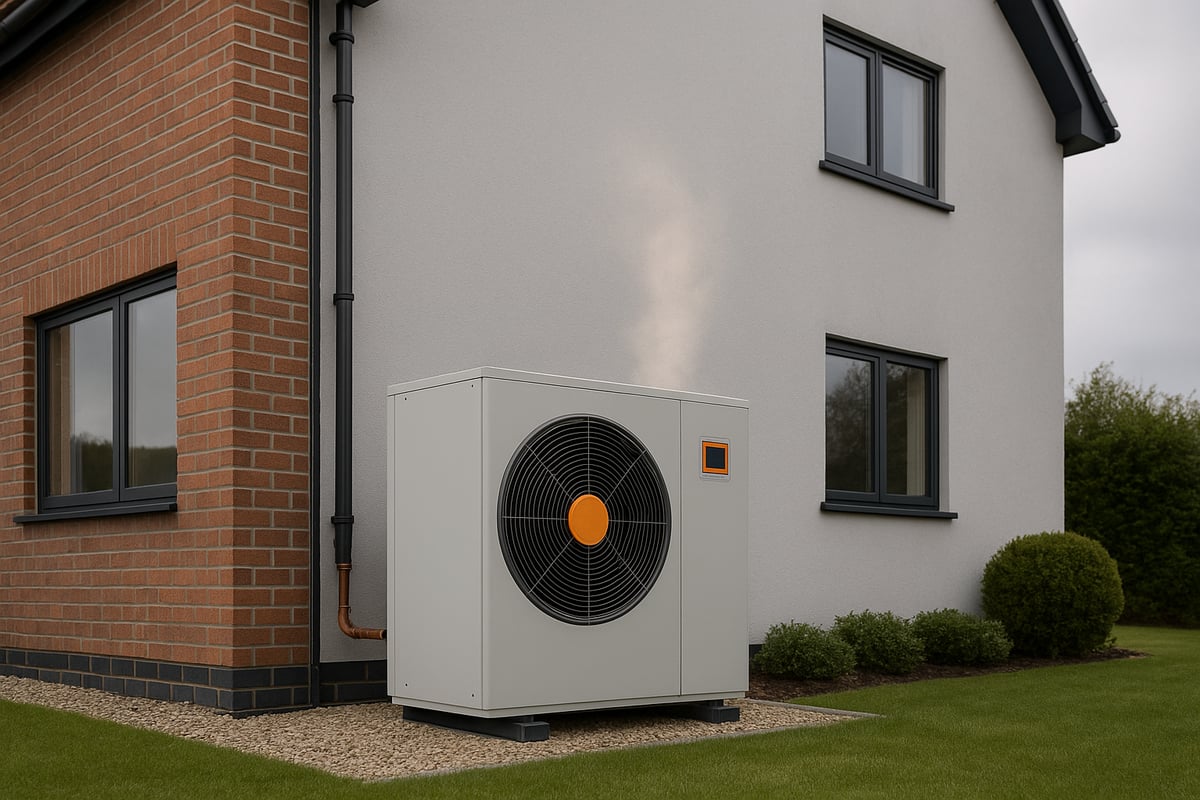
At its core, air source heating works by extracting thermal energy from the outside air, even when temperatures dip below freezing. The process relies on a refrigeration cycle, similar to how a fridge operates in reverse.
An outdoor unit draws in air, passing it over a heat exchanger filled with refrigerant. As the refrigerant absorbs heat, it evaporates and is compressed, raising its temperature significantly. This heat is then transferred indoors, either to water for central heating and hot water or directly to air circulated through the property.
Key components include:
- Outdoor unit: Captures and concentrates ambient heat.
- Compressor: Increases the refrigerant’s temperature.
- Heat exchanger: Transfers heat to the indoor system.
- Indoor distribution: Delivers warmth via radiators, underfloor heating, or air ducts.
Unlike traditional boilers that burn gas or oil, air source heating operates at lower temperatures, often around 35–55°C. This means it delivers steady, comfortable warmth without the peaks and troughs of older systems. For example, a typical UK home using an air-to-water heat pump can enjoy both heating and hot water with up to 300% efficiency compared to standard gas boilers. This remarkable performance is why air source heating is especially well suited to the UK’s mild climate, where even cold days hold enough ambient energy for effective operation.
If you would like to explore the technical process in more depth, see this guide: How air source heat pumps work.
Types of Air Source Heat Pumps
There are several types of air source heating systems, each designed for specific needs and property layouts. The most common are air-to-water and air-to-air heat pumps.
Air-to-water systems use the heat extracted from the air to warm water, which then circulates through radiators, underfloor heating, and hot water tanks. These systems are ideal for whole-house heating and are the main type supported by UK government incentives such as the Boiler Upgrade Scheme.
Air-to-air systems deliver heat directly to indoor air via fans or ductwork. While often easier to install, they typically provide space heating only, not hot water. This makes them suitable for flats, smaller homes, or properties where hot water is supplied separately.
Hybrid systems combine air source heating with a traditional boiler. This approach offers flexibility, allowing the heat pump to manage most heating needs efficiently while the boiler covers peak demands or hot water during colder spells.
Here’s a quick comparison:
| System Type | Main Output | Hot Water? | Government Support | Best For |
|---|---|---|---|---|
| Air-to-water | Radiators, UFH | Yes | Yes | Whole-home, 2026 compliance |
| Air-to-air | Warm air | No | Limited | Flats, smaller homes |
| Hybrid | Both (with boiler) | Yes | Varies | Flexible, complex properties |
Each type has its pros and cons. Air-to-water systems are versatile and future-proof, while air-to-air units offer simplicity. Hybrid models can help with difficult retrofits. When planning for 2026, consider your property’s layout, existing heating infrastructure, and eligibility for grants to choose the right air source heating solution.
Benefits of Air Source Heating for Modern Homes
Making the right choice for your home’s heating is more important than ever. Air source heating stands out as a forward-thinking solution, offering a blend of efficiency, sustainability, and comfort that aligns perfectly with the demands of modern living and the upcoming 2026 regulations.
Energy Efficiency and Cost Savings
One of the most compelling advantages of air source heating is its remarkable efficiency. These systems use a Coefficient of Performance (COP) to measure how many units of heat they produce per unit of electricity consumed. For example, a COP of 3 means the system generates three units of heat for every unit of electricity used.
In real-world scenarios, a typical three-bedroom UK home using air source heating for 11,500 kWh annually could see significant savings. According to air source heat pump efficiency statistics, these systems can reach efficiencies up to 300 percent, far surpassing conventional gas boilers.
| Heating Type | Annual Running Cost (£) | Carbon Emissions (kg CO2) |
|---|---|---|
| Gas Boiler | 1,050 | 2,350 |
| Oil Boiler | 1,450 | 3,300 |
| LPG Boiler | 1,650 | 3,600 |
| Air Source Heating | 900 | 2,050 |
Switching to air source heating can reduce your annual carbon footprint by up to 13 percent, making it both a cost-effective and environmentally responsible choice.
Environmental Impact and Sustainability
Air source heating dramatically reduces reliance on fossil fuels and helps cut greenhouse gas emissions. By harnessing renewable energy from the outdoor air, these systems provide an eco-friendly alternative to traditional heating. They work seamlessly with green electricity tariffs, allowing homeowners to further decrease their environmental impact.
The reduction in household carbon footprint is significant, often equating to the removal of emissions from a long-haul flight each year. This makes air source heating an ideal investment for anyone committed to sustainability and a cleaner future.
Comfort and Versatility
Air source heating delivers consistent, comfortable indoor temperatures throughout the year. These systems operate quietly, often as softly as a fridge freezer, and can improve air quality by filtering dust and allergens.
They are compatible with both radiators and underfloor heating, offering flexibility in how heat is distributed. Homeowners benefit from a tailored solution that meets their comfort needs, regardless of property layout or lifestyle.
Future-Proofing Your Home
With new regulations coming into effect in 2026, air source heating ensures your home remains compliant and future-ready. The anticipated phase-out of gas boilers means investing in a system that aligns with government decarbonisation targets is wise.
Homes with air source heating may see increased property value and greater appeal to eco-conscious buyers. Additionally, eligibility for government grants and incentives makes the transition more accessible, reducing the upfront investment required.
Low Maintenance and Longevity
Owners of air source heating systems enjoy peace of mind thanks to low maintenance demands. These units typically last 15 to 20 years or more, with only minimal servicing needed compared to traditional boilers.
Annual professional servicing and basic homeowner checks keep the system running efficiently. This reliability, combined with long lifespans, makes air source heating a practical and cost-effective solution for the long term.
Key Considerations Before Installing Air Source Heating
Making the right decisions before installing air source heating can transform your home's comfort, efficiency, and long-term value. Thoughtful preparation ensures your system performs optimally, saves money, and aligns with future regulations. Below, we explore the essential factors to consider on your journey to a future-ready home.
Assessing Your Home’s Suitability
Before investing in air source heating, assess your home's readiness. Excellent insulation and airtightness are vital for maximising efficiency. Without proper insulation, much of the heat generated can escape, reducing savings.
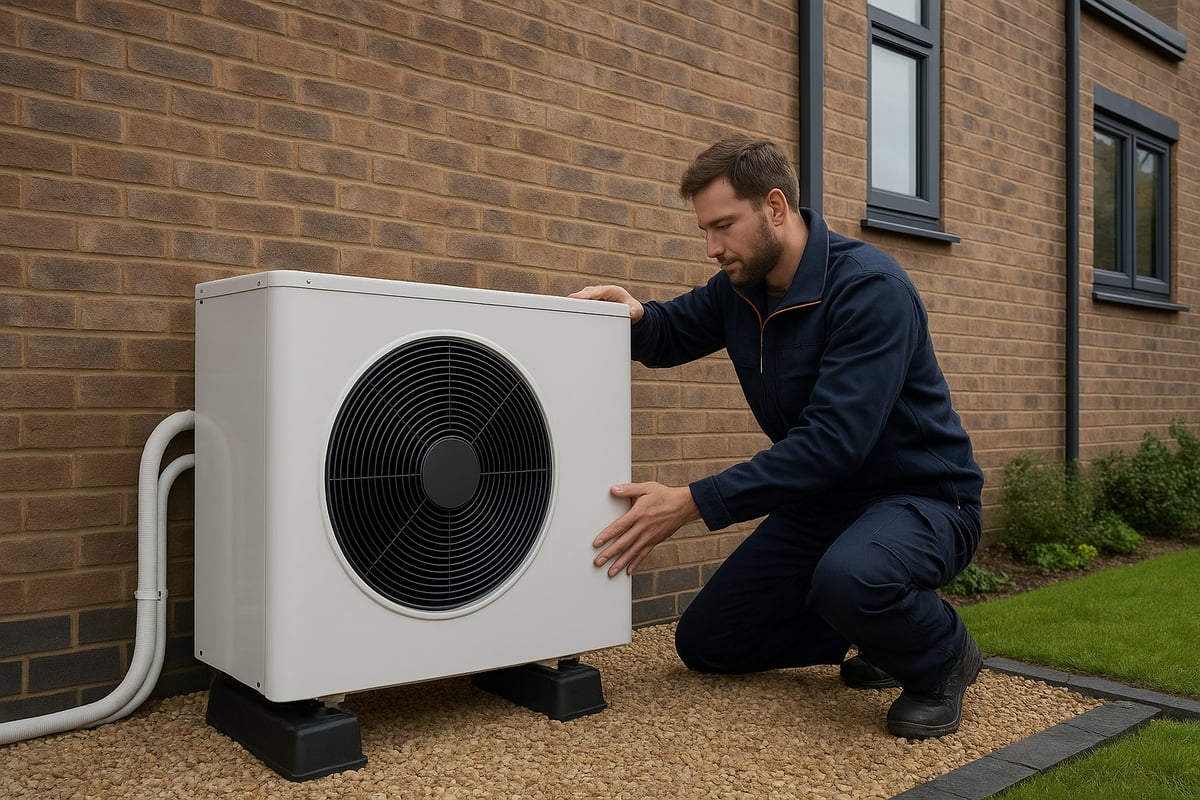
Evaluate your available outdoor space. Air source heating units need clear airflow, ideally sited away from obstructions. You will also need space indoors for a hot water tank and connecting pipework.
Review your current heating system. Older radiators may not deliver enough warmth at the lower temperatures produced by air source heating. Consider upgrading to larger radiators or installing underfloor heating for best results.
Key suitability checks:
- Is your loft and cavity wall insulation up to standard?
- Can you position the outdoor unit with good airflow?
- Are your current radiators or heating system compatible?
Taking these steps helps ensure your investment in air source heating delivers optimal performance.
Installation Process: Step-by-Step Guide
The installation of air source heating is methodical and tailored to your property. It begins with a home survey and detailed heat loss calculations, ensuring the chosen system matches your needs.
A bespoke design follows, considering your home's layout and any existing heating infrastructure. The installation itself generally takes between three and eight days for most homes.
Typical installation steps:
- Home survey and heat loss assessment
- System design and component selection
- Outdoor unit placement and internal connections
- Integration with radiators or underfloor heating
- Testing and commissioning
For example, a recent retrofit in North East England involved upgrading radiators, installing pipework, and integrating controls, all within a week. This structured approach minimises disruption and ensures your air source heating system is set up for long-term reliability.
Costs and Financing Options
Understanding the costs of air source heating helps you budget confidently. Installation typically starts from £5,144 with available grants, but final costs depend on your home's size, chosen system, and any required upgrades.
Key cost considerations:
- Property size and insulation levels
- Type of air source heating (air-to-water or hybrid)
- Upgrades to radiators or underfloor heating
- Electricity usage and tariff rates
Monthly running costs are often lower than those for oil, LPG, or older gas boilers. Many providers offer flexible payment plans, including 0 percent interest options, making air source heating more accessible. For example, spreading costs over several years can help balance your budget while benefiting from immediate energy savings.
Government Grants and Incentives
Government support can significantly reduce the upfront cost of air source heating. The Boiler Upgrade Scheme offers grants to help homeowners transition to low-carbon systems.
Eligibility depends on property type, system specification, and installer accreditation. Applying involves a survey, submission of documents, and working with a certified installer. Grants can shorten the payback period and make air source heating a financially attractive upgrade.
For the latest on available support, including new incentives for 2026, visit this detailed overview of air source heat pump grants in 2026.
Exploring these options ensures you maximise financial benefits while future-proofing your home.
Choosing a Reliable Installer
Selecting a qualified installer is crucial for air source heating success. Look for professionals certified by the Microgeneration Certification Scheme (MCS) and TrustMark, as these credentials reflect industry standards and quality assurance.
How to assess your installer:
- Verify MCS and TrustMark certification
- Read independent customer reviews
- Ask about experience with similar properties
- Confirm aftercare and warranty support
For example, companies with Which? Trusted Trader status demonstrate a strong track record in customer satisfaction and technical expertise. A reliable installer guides you through each step, ensuring your air source heating system is installed safely and efficiently.
Air Source Heating and Home Integration
Integrating air source heating into your home requires a thoughtful approach to ensure maximum comfort and efficiency. Modern systems are designed to work with a variety of existing heating infrastructures, making them a practical choice for UK homeowners preparing for 2026. Proper integration not only boosts performance but also future-proofs your home for upcoming regulations.
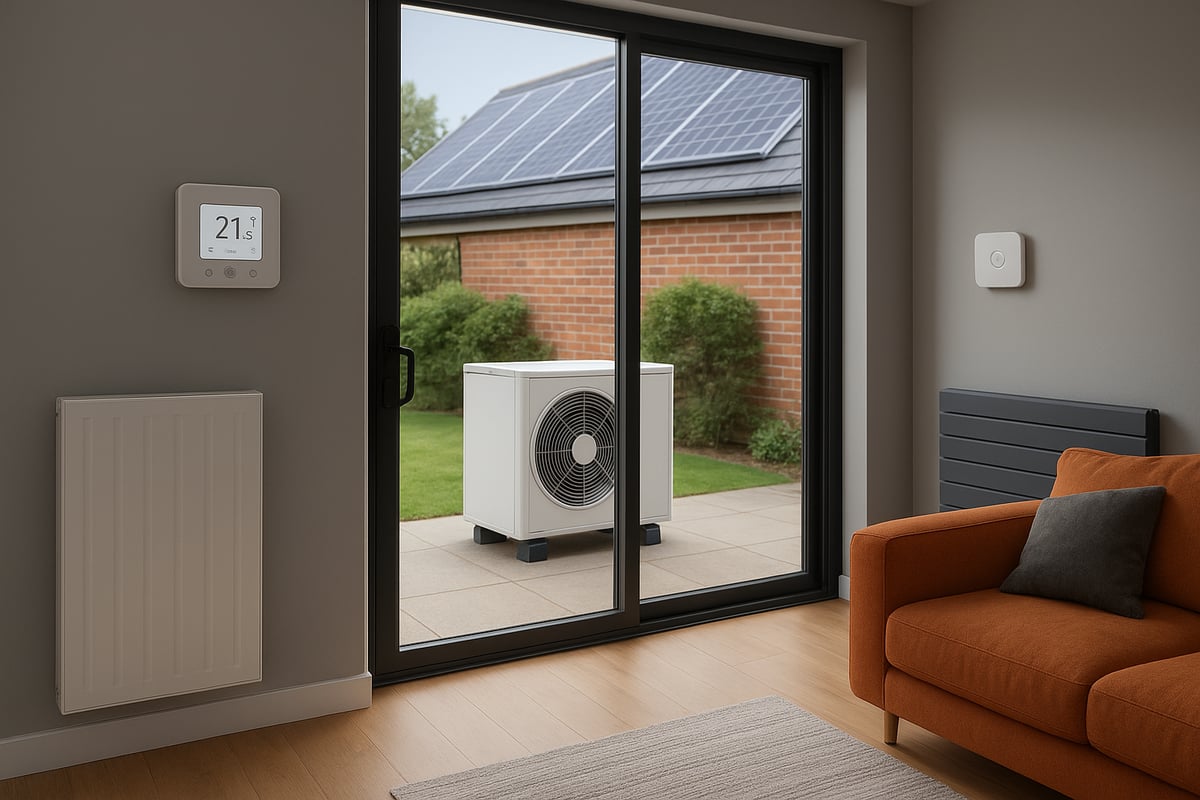
Radiators, Underfloor Heating, and Hot Water
Air source heating delivers warmth by circulating low-temperature water through radiators or underfloor heating systems. Unlike traditional boilers, which operate at higher temperatures, air source heating runs most efficiently at lower flow temperatures, typically between 35°C and 55°C. This makes it especially well-suited for underfloor heating, as larger surface areas allow for gentle, even heat distribution.
If your home has older radiators, you may need to upgrade to larger or more efficient models to optimise performance. Enhanced insulation can also help you get the most from your air source heating system. For a detailed overview of compatibility and best practices, see this guide on underfloor heating and radiators integration.
In addition to space heating, air source heating can supply domestic hot water. While traditional boilers often deliver water at 60°C or above, air source heating systems generally provide hot water at 50–55°C. This is usually sufficient for daily use, though a small immersion boost can be added if higher temperatures are needed.
Typical adjustments for air source heating integration:
- Upgrading radiators for improved efficiency
- Adding underfloor heating for even warmth
- Boosting insulation to reduce heat loss
- Adjusting controls for lower flow temperatures
By tailoring your system to your home’s needs, you can enjoy consistent warmth and lower energy bills.
Smart Controls and Energy Management
Maximising the benefits of air source heating is much easier with modern smart controls. Smart thermostats and home automation systems let you schedule heating, monitor energy use, and adjust settings remotely via smartphone or tablet. This level of control helps you maintain comfort while reducing unnecessary energy consumption.
For example, you can set different heating zones within your home or take advantage of time-of-use tariffs by running the system during off-peak electricity periods. With air source heating, these features translate directly into cost savings and improved efficiency.
Smart controls also provide valuable data, enabling you to identify patterns and fine-tune your heating schedule over time. As a result, your air source heating system works only when and where it is needed most.
Compatibility with Renewable Energy
Air source heating systems are highly compatible with renewable energy sources such as solar PV and home battery storage. By pairing your heat pump with solar panels, you can generate clean electricity to power your heating, further reducing your carbon footprint.
When solar generation is high, excess energy can be stored in a battery and used to run your air source heating system later in the day. This approach helps lower electricity bills and supports a nearly zero-carbon home.
Combining air source heating with renewable technologies also increases your resilience to rising energy costs and changing regulations. It is a proactive step towards a more sustainable, future-ready property.
Noise, Aesthetics, and Space Planning
One common concern about air source heating is the noise from the outdoor unit. However, most modern systems are designed to operate quietly, often no louder than a standard fridge freezer. Careful placement of the outdoor unit away from windows and living spaces can minimise any impact.
Aesthetically, the outdoor unit is compact and can be screened with fencing or planting if desired. Indoors, there may be a need for additional space for hot water tanks or controls, but these can often be integrated into existing utility areas.
Good planning ensures that air source heating enhances your home’s comfort without compromising style or space. With the right design, these systems blend seamlessly into both traditional and modern homes.
Maintenance, Lifespan, and Troubleshooting
Keeping your air source heating system in optimal condition is essential for efficiency, comfort, and longevity. With regular maintenance and prompt troubleshooting, you can ensure reliable performance throughout the year and protect your investment for the long term.
Routine Maintenance and Servicing
Annual professional servicing is recommended for all air source heating systems. This check typically includes inspection of the outdoor unit, refrigerant levels, electrical connections, and system controls. Servicing helps maintain manufacturer warranties and ensures high efficiency.
Homeowners should regularly clear leaves, dirt, or snow from around the outdoor unit to prevent airflow blockages. Inspecting for visible damage or obstructions, especially after storms, is also important. In winter, gently clear any frost or snow buildup from the unit.
For more in-depth guidance on maintaining your air source heating system and other renewable energy options, see the Renewable energy heating systems guide. With proper care, most systems come with warranties up to seven years, covering key components.
Common Issues and Solutions
Even well-maintained air source heating systems may occasionally experience issues. During extreme cold, performance can drop if the unit becomes obstructed by ice, so check and clear the area around the outdoor unit.
Typical faults include airflow problems, refrigerant leaks, or control panel errors. If you notice unusual noises, reduced heating output, or error messages, consult your user manual for basic troubleshooting steps. Resetting the system or checking circuit breakers can often resolve minor issues.
If problems persist, or if you suspect a refrigerant leak, always contact a qualified professional. Regular attention ensures your air source heating system remains reliable and efficient.
Longevity and Replacement Planning
A modern air source heating system typically lasts 15 to 20 years, depending on usage and maintenance. As the system ages, you may notice declining efficiency, increased running noise, or more frequent repairs.
Stay alert to regulatory changes affecting heating systems, especially as 2026 approaches. If your system shows signs of wear or struggles to meet heating demands, it could be time to consider an upgrade or replacement.
Planning ahead helps you align with future UK regulations and ensures your air source heating investment continues to deliver value, efficiency, and comfort for years to come.
Cost of Maintenance and Repairs
Annual servicing for air source heating usually costs less than for traditional gas boilers, especially as fewer moving parts mean less wear and tear. Expect annual service costs to range from £120 to £200, depending on location and installer.
Repair costs can vary based on parts availability and system age. Common repairs include replacing fans, sensors, or control boards. Sourcing spare parts is generally straightforward for well-known brands.
Factoring in these costs during your planning ensures your air source heating system remains a low-maintenance, long-lasting solution for your home.
The Future of Air Source Heating in UK Homes
With the UK’s 2026 heating regulations on the horizon, homeowners are facing a pivotal moment. The government’s plan to phase out fossil fuel boilers in favour of low-carbon alternatives is transforming the domestic heating market. Air source heating is at the forefront of this shift, offering a practical route towards compliance with decarbonisation targets. These systems are key to meeting the legal and environmental requirements set for the next generation of British homes.
Regulatory Landscape and 2026 Boiler Ban
The upcoming 2026 boiler ban will affect millions of households. Gas and oil boilers will no longer be installed in new builds, and incentives will encourage retrofits in existing homes. Air source heating aligns perfectly with the government’s net zero ambitions, as it reduces reliance on fossil fuels and supports long-term sustainability. Homeowners who invest now will benefit from a future-proof solution that meets both legal and environmental obligations.
Advances in Heat Pump Technology
Recent innovations are rapidly improving air source heating. Modern systems use advanced compressors and refrigerants with lower global warming potential, making them more efficient and eco-friendly. Noise reduction technologies have made outdoor units quieter, while smart controls integrate seamlessly with home automation. These advances mean air source heating is now a highly effective option for a wide range of property types, from flats to detached houses.
Market Growth and Availability
The UK is experiencing a surge in demand for air source heating, driven by policy support and consumer interest. According to heat pump adoption rates by country, the UK market is expanding rapidly, with more manufacturers and installers entering the field. This growth is increasing product variety and making installation more accessible and affordable for homeowners seeking low-carbon solutions.
Potential Challenges and Solutions
Despite its promise, the rollout of air source heating faces some obstacles. Supply chain constraints and a shortage of qualified installers can create delays. However, government grants and schemes, such as the UK government expands Boiler Upgrade Scheme, are helping to address these issues by providing financial incentives and supporting skills development. Ensuring fair access to funding remains a priority to support widespread adoption.
Preparing Your Home for the Future
Now is the ideal time to prepare your property for air source heating. Start by improving insulation and seeking expert advice on suitable systems. Understanding available grants and planning ahead will help you make the transition smoothly. By taking proactive steps, you can ensure your home meets future regulations and enjoys the comfort, efficiency, and sustainability that air source heating provides.